


Johann Pachelbel
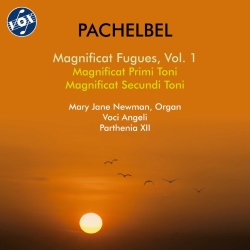
Magnificat Fugues in the Second Tone (10), T. 124-133
Released Album
Recent Album

Works Info
Composer:Johann PachelbelGenre:KeyboardStyle:MagnificatCompose Date:before Apr 1706Average_duration:17:46Johann Pachelbel's Magnificat Fugues in the Second Tone (10), T. 124-133, is a collection of ten fugues based on the Magnificat text. The work was composed in the late 17th century, and its premiere date is unknown. The Magnificat Fugues are divided into ten movements, each based on a different section of the Magnificat text. The first movement, "Magnificat anima mea Dominum," is a lively fugue in 3/4 time, featuring a subject that is passed between the voices. The second movement, "Et exultavit spiritus meus," is a more contemplative fugue in 4/4 time, with a subject that is introduced by the alto voice and then taken up by the other voices. The third movement, "Quia respexit humilitatem ancillae suae," is a gentle fugue in 3/4 time, with a subject that is first presented by the soprano voice. The fourth movement, "Omnes generationes," is a lively fugue in 3/4 time, with a subject that is introduced by the bass voice and then taken up by the other voices. The fifth movement, "Quia fecit mihi magna," is a joyful fugue in 3/4 time, with a subject that is first presented by the tenor voice. The sixth movement, "Et misericordia eius," is a gentle fugue in 4/4 time, with a subject that is introduced by the alto voice and then taken up by the other voices. The seventh movement, "Fecit potentiam in brachio suo," is a lively fugue in 3/4 time, with a subject that is first presented by the bass voice. The eighth movement, "Deposuit potentes de sede," is a contemplative fugue in 4/4 time, with a subject that is introduced by the soprano voice and then taken up by the other voices. The ninth movement, "Esurientes implevit bonis," is a joyful fugue in 3/4 time, with a subject that is first presented by the alto voice. The final movement, "Suscepit Israel puerum suum," is a lively fugue in 3/4 time, with a subject that is introduced by the tenor voice and then taken up by the other voices. Overall, the Magnificat Fugues in the Second Tone are characterized by their lively and joyful nature, as well as their use of counterpoint and fugue techniques. The work is a testament to Pachelbel's skill as a composer and his ability to create complex and beautiful music based on religious texts.More....
Works Music
Released Music
1

1:42
2
1:44
3
1:26
4
1:38