


Johann Pachelbel
Fugue, for organ in G major (II), T. 280
Released Album
Recent Album
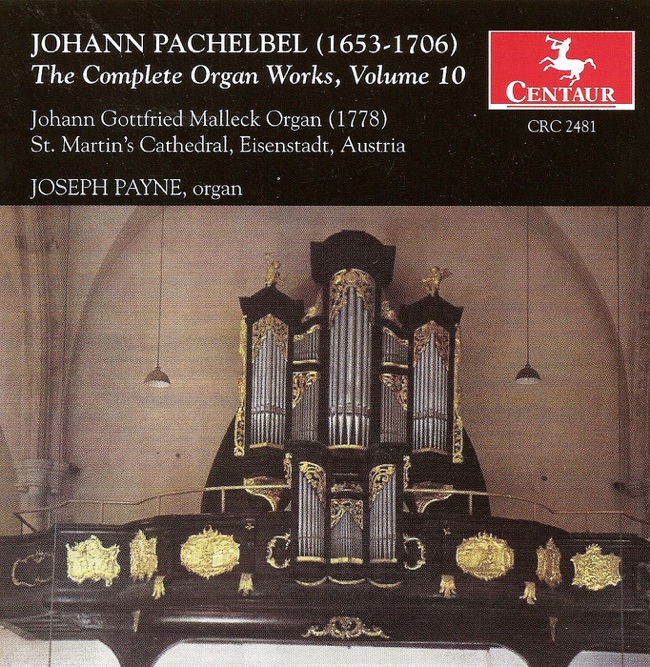
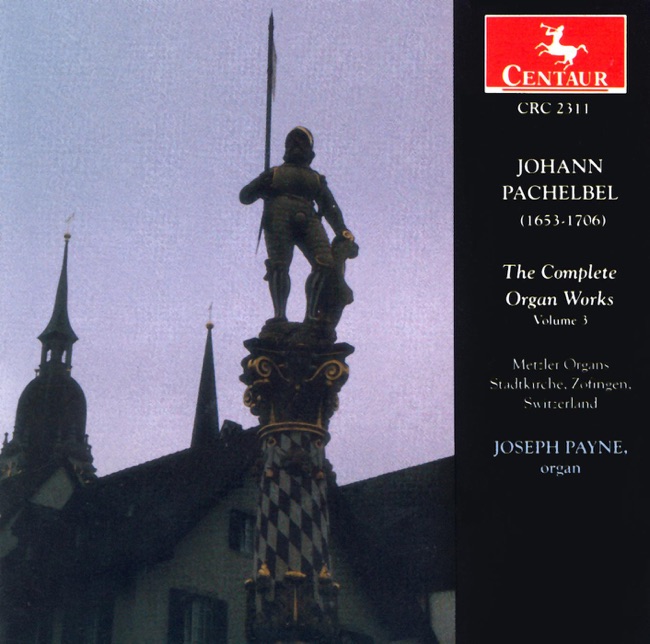
Works Info
Composer:Johann PachelbelGenre:KeyboardStyle:FugueCompose Date:before Apr 1706Publication Date:1901Average_duration:1:54Johann Pachelbel's Fugue for Organ in G major (II), T. 280, is a baroque masterpiece that showcases the composer's skill in counterpoint and fugue writing. The piece was composed in the late 17th century and premiered in the organ loft of St. Sebaldus Church in Nuremberg, Germany. The Fugue for Organ in G major (II) is a three-movement work that follows the traditional structure of a fugue. The first movement is the exposition, where the main theme is introduced in the tonic key of G major. The second movement is the development, where the theme is explored and developed in various keys and with different variations. The final movement is the recapitulation, where the theme is restated in the tonic key and the piece comes to a close. The characteristics of Pachelbel's Fugue for Organ in G major (II) are typical of baroque music. The piece is written in a contrapuntal style, with multiple voices weaving in and out of each other. The main theme is a simple, yet memorable melody that is repeated throughout the piece. Pachelbel uses various techniques such as inversion, augmentation, and diminution to develop the theme and create interest. The Fugue for Organ in G major (II) is a challenging piece to perform, requiring a high level of technical skill and musicality. The piece is often used as a benchmark for organists and is a popular choice for recitals and competitions. Overall, Pachelbel's Fugue for Organ in G major (II) is a masterpiece of baroque music that showcases the composer's skill in counterpoint and fugue writing. The piece is a testament to Pachelbel's legacy as one of the greatest composers of the baroque era.More....
Works Music
Released Music
1
2:13
2
1:37
3
1:54