William Byrd
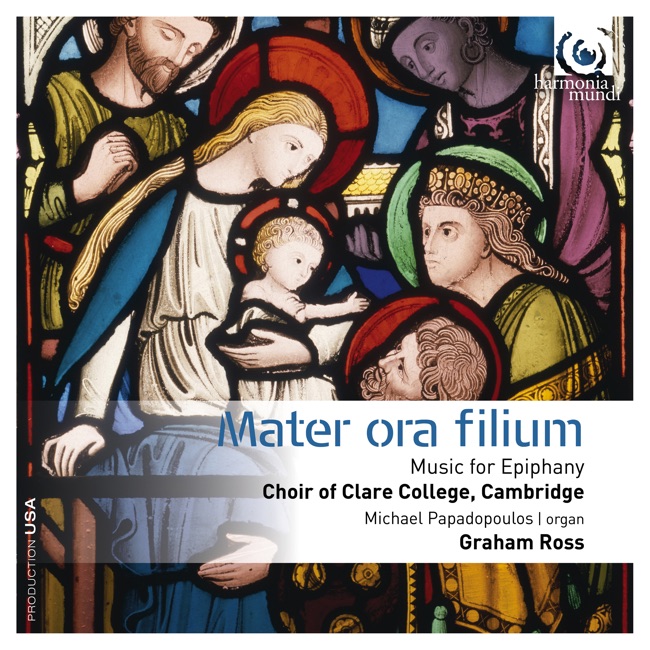
Ecce advenit Dominator Dominus
Released Album
Recent Album

Featured Album
Works Info
Composer:William ByrdGenre:ChoralStyle:MotetAverage_duration:2:33"Ecce advenit Dominator Dominus" is a sacred motet composed by William Byrd, an English composer of the Renaissance era. The piece was composed in the late 16th century, around 1590, during the reign of Queen Elizabeth I. It was first performed in the Chapel Royal, London, and was later published in Byrd's collection of Gradualia in 1605. The motet is written for four voices, SATB, and is divided into three movements. The first movement is in a lively triple meter, with a joyful and celebratory character. The second movement is in a slower duple meter, with a more contemplative and introspective character. The final movement returns to the lively triple meter of the first movement, with a triumphant and exultant character. The text of the motet is taken from the Book of Malachi in the Old Testament, and is a prophecy of the coming of the Messiah. The text is in Latin, and the music is written in a polyphonic style, with each voice singing a different melody that weaves together to create a rich and complex texture. The characteristics of Byrd's style in this motet include his use of imitative counterpoint, in which each voice enters with the same melody at different times, creating a sense of unity and coherence. He also uses chromaticism, in which he employs notes outside of the diatonic scale, to create a sense of tension and drama. Byrd's use of word painting, in which the music reflects the meaning of the text, is also evident in this motet, particularly in the final movement, where the music rises to a climax on the word "gloria." Overall, "Ecce advenit Dominator Dominus" is a masterful example of Byrd's skill as a composer of sacred music. Its joyful and triumphant character, combined with its rich and complex polyphonic texture, make it a beloved piece of music in the choral repertoire.More....
Works Music
Released Music

Featured Music