George Antheil
Jazz Sonata, W. 43
Released Album
Recent Album




Featured Album

Works Info
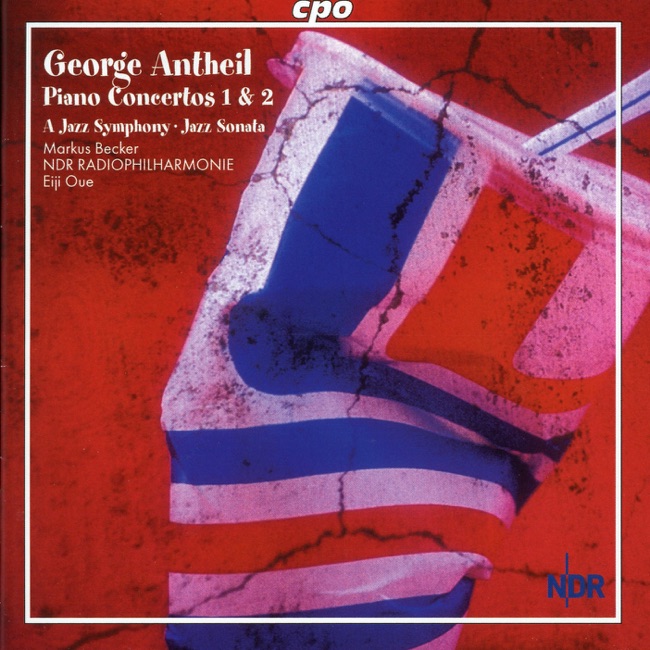
Composer:George AntheilGenre:KeyboardStyle:SonataCompose Date:Feb 22, 1922First Performance:Mar 3, 1923Average_duration:1:50George Antheil's 'Jazz Sonata, W. 43' is a unique and innovative piece of music that combines classical and jazz elements. The sonata was composed in 1922 and premiered in Paris the same year. It consists of three movements, each with its own distinct characteristics. The first movement, marked "Allegro moderato," begins with a lively and syncopated piano introduction that sets the tone for the entire piece. The saxophone then enters with a smooth and melodic theme, which is later developed and expanded upon by both instruments. The movement features a call-and-response structure between the piano and saxophone, as well as a variety of jazz-inspired rhythms and harmonies. The second movement, marked "Blues: Moderato," is a slow and melancholic piece that showcases the expressive capabilities of both instruments. The piano plays a simple and repetitive blues progression, while the saxophone improvises a soulful melody over the top. The movement is characterized by its use of blue notes, bent pitches, and expressive phrasing. The final movement, marked "Allegro vivo," is a fast and energetic piece that brings the sonata to a thrilling conclusion. The piano and saxophone engage in a lively and virtuosic dialogue, trading off rapid-fire runs and intricate rhythms. The movement features a variety of jazz-inspired techniques, including syncopation, swing rhythms, and improvisation. Overall, 'Jazz Sonata, W. 43' is a groundbreaking work that combines the classical sonata form with the improvisational and rhythmic elements of jazz. Antheil's use of syncopation, blue notes, and call-and-response structures creates a unique and exciting musical experience that still resonates with audiences today.More....
Works Music
Released Music




Featured Music