Charles Dollé
Trio Sonata for violin, flute & continuo in G minor, Op. 1/6
Released Album
Recent Album
Works Info
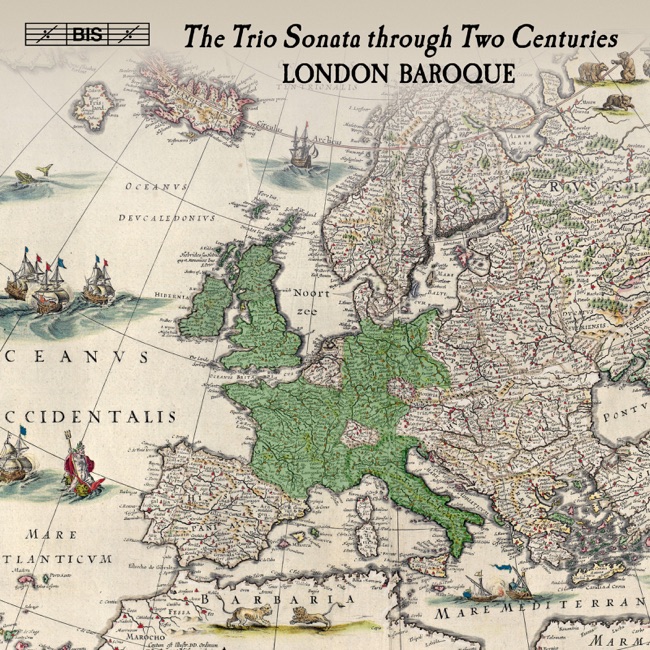
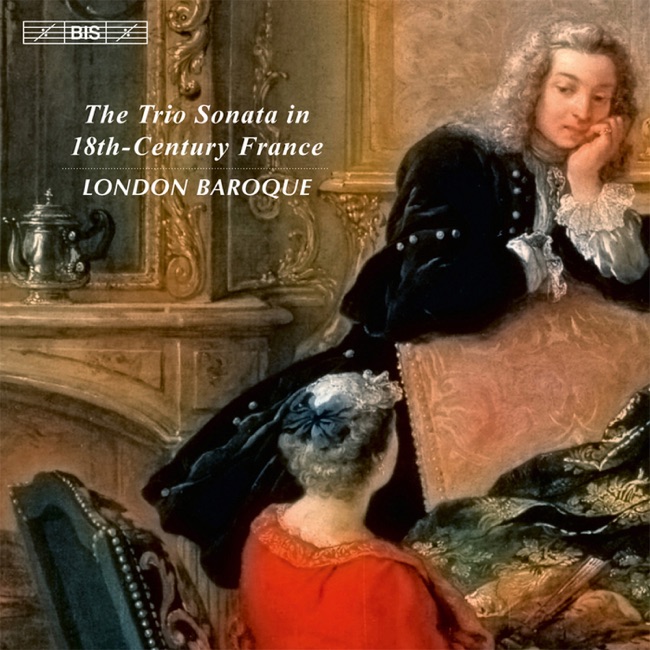
Composer:Charles DolléGenre:ChamberCompose Date:1737Average_duration:10:31Movement_count:4Movement ....The Trio Sonata for violin, flute & continuo in G minor, Op. 1/6, was composed by Charles Dollé, a French composer and violinist, in the early 18th century. The exact date of composition is unknown, but it is believed to have been written around 1720. The piece was premiered in Paris, where Dollé was active as a musician and composer. The Trio Sonata consists of four movements: an opening Grave, followed by an Allegro, a Largo, and a final Allegro. The Grave is a slow and solemn introduction, setting the mood for the piece. The Allegro that follows is a lively and energetic movement, featuring intricate interplay between the violin and flute. The Largo is a slow and expressive movement, showcasing the lyrical qualities of both instruments. The final Allegro is a fast and lively movement, bringing the piece to a thrilling conclusion. The Trio Sonata is characterized by its elegant and refined style, typical of the French Baroque period. The interplay between the violin and flute is a prominent feature of the piece, with both instruments taking turns in the spotlight. The continuo, played on a harpsichord or other keyboard instrument, provides a steady foundation for the melody and harmonies. Overall, the Trio Sonata for violin, flute & continuo in G minor, Op. 1/6, is a beautiful example of French Baroque chamber music. Its intricate interplay between the violin and flute, combined with its elegant and refined style, make it a timeless piece of music that continues to be enjoyed by audiences today.More....
Works Music