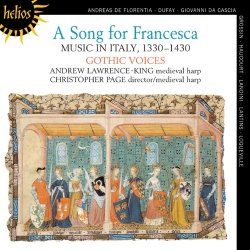
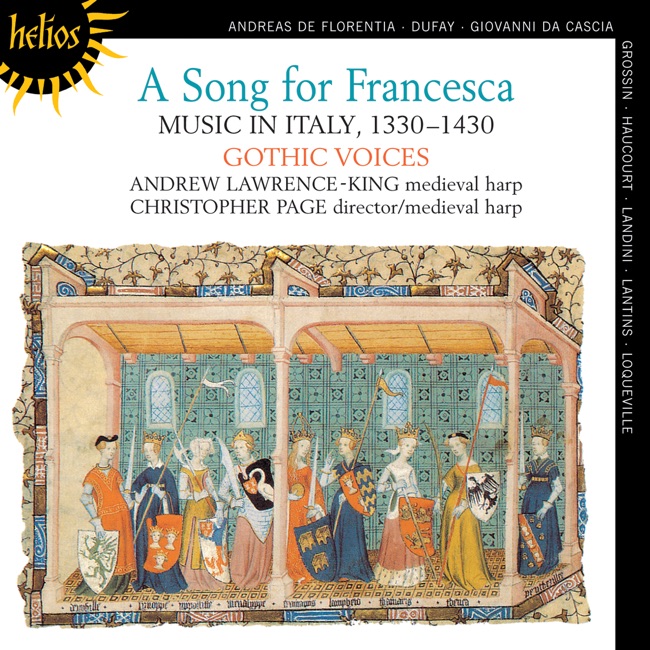
Richard Loqueville
Qui ne veroit que vos deulx yeuls
Works Info
Composer:Richard LoquevilleGenre:VocalStyle:RoundAverage_duration:1:12Title: "Qui ne veroit que vos deulx yeuls"nComposer: Richard Loqueville$$$"Qui ne veroit que vos deulx yeuls" is a musical composition by Richard Loqueville, a renowned composer of the Renaissance period. This piece is a chanson, a popular secular vocal genre during the 15th and 16th centuries. It was composed in the late 16th century, exact date unknown.$$$The chanson "Qui ne veroit que vos deulx yeuls" is believed to have premiered in the court of King Henry IV of France. The exact premiere date is not documented, but it is likely to have been performed during the late 16th or early 17th century. The chanson was composed for a small ensemble, typically consisting of a vocal soloist accompanied by a lute or other plucked string instrument.$$$"Qui ne veroit que vos deulx yeuls" is structured in multiple movements, following the typical form of a chanson. The piece consists of three main sections: the exposition, development, and recapitulation. Each section features different melodic and harmonic material, creating a sense of contrast and variety.$$$The characteristics of "Qui ne veroit que vos deulx yeuls" reflect the musical style of the late Renaissance period. The chanson is characterized by its expressive and lyrical melodies, often accompanied by simple yet harmonically rich chord progressions. The vocal line is highly ornamented, showcasing the technical abilities of the soloist.$$$The text of "Qui ne veroit que vos deulx yeuls" is written in French and typically explores themes of love, longing, and beauty. The chanson's lyrics are poetic and romantic, reflecting the courtly ideals of the time. The music is intricately woven with the text, emphasizing the emotional content of the words.$$$In conclusion, "Qui ne veroit que vos deulx yeuls" is a chanson composed by Richard Loqueville during the late 16th century. It premiered in the court of King Henry IV of France and is structured in multiple movements. The piece showcases the expressive melodies, rich harmonies, and ornamental vocal lines characteristic of the late Renaissance period. The chanson's lyrics explore themes of love and beauty, reflecting the courtly ideals of the time.More....
Works Music
Featured Music