Béla Bartók
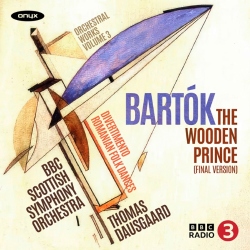
Romanian Folk Dances (7) for orchestra, Sz. 68
Released Album
Recent Album
-
-
-
-
-
-
-
-
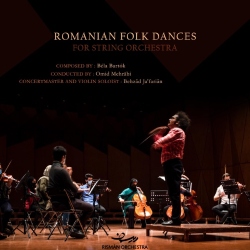
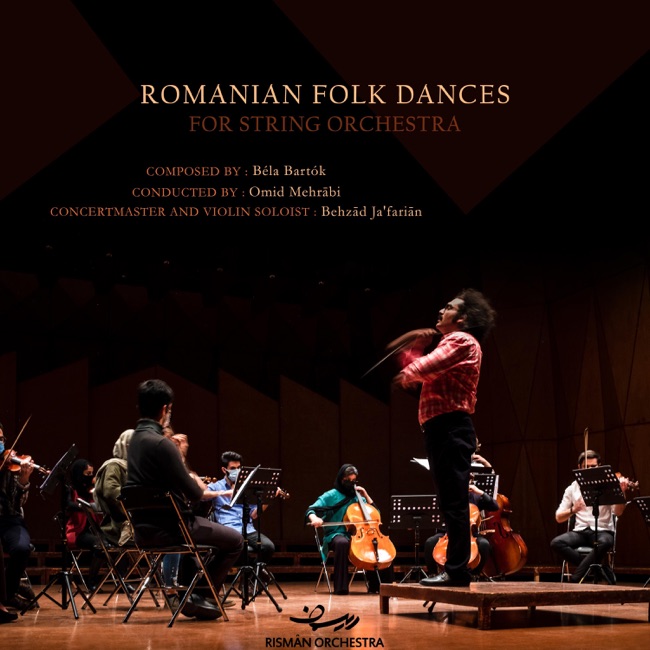 Risman Chamber String OrchestraAugust 14, 2021
 -
-
-
-
Featured Album
Works Info
Composer:Béla BartókGenre:OrchestralStyle:SuiteCompose Date:1917Average_duration:6:22Movement_count:7Movement ....Béla Bartók's "Romanian Folk Dances" is a set of seven short pieces for orchestra, composed in 1915. The work was premiered in 1917 in Budapest, Hungary, and has since become one of Bartók's most popular and frequently performed compositions. The seven movements of the work are based on traditional Romanian folk dances, which Bartók collected and studied extensively during his travels throughout Eastern Europe. Each movement is named after the specific dance it is based on, and the overall structure of the work follows the traditional order of a Romanian folk dance suite. The first movement, "Bot tánc" (Stick Dance), is a lively and energetic dance in 2/4 time, featuring a prominent melody played by the violins and a driving rhythm in the lower strings. The second movement, "Brâul" (Sash Dance), is a slower, more lyrical dance in 3/4 time, characterized by a haunting melody played by the clarinet and a gentle, flowing accompaniment in the strings. The third movement, "Topogó" (Stamping Dance), is a fast and rhythmic dance in 2/4 time, featuring a driving rhythm in the percussion and a lively melody played by the woodwinds. The fourth movement, "Bucsumí tánc" (Dance from Bucsum), is a lively and playful dance in 6/8 time, featuring a lively melody played by the violins and a syncopated rhythm in the lower strings. The fifth movement, "Román polka" (Romanian Polka), is a fast and lively dance in 2/4 time, featuring a playful melody played by the woodwinds and a driving rhythm in the percussion. The sixth movement, "Aprózó" (Fast Dance), is a fast and frenetic dance in 2/4 time, featuring a driving rhythm in the percussion and a lively melody played by the violins. The final movement, "Barátok" (Friends' Dance), is a lively and celebratory dance in 4/4 time, featuring a joyful melody played by the entire orchestra and a driving rhythm in the percussion. Overall, Bartók's "Romanian Folk Dances" is a vibrant and colorful work that showcases his deep appreciation for the rich musical traditions of Eastern Europe. The work's use of traditional folk melodies and rhythms, combined with Bartók's unique harmonic language and orchestration, make it a true masterpiece of 20th-century music.More....
Works Music
Released Music
3
Romanian Folk Dances (7) for orchestra, No. 68
No. 5, Poarga Românească - Mărunțel - Mărunțel
1:28
7
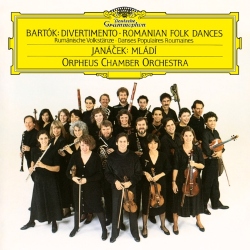
Romanian Folk Dances (7) for orchestra, No. 68
Roumanian Folk Dances for Orchestra, BB 76 (Sz. 68)
6:29
8
7:6
Featured Music
7
34
8
1:6