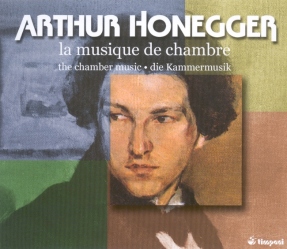
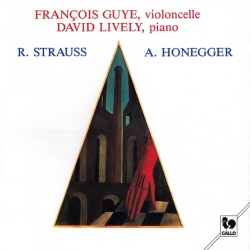
Arthur Honegger
Sonata for cello & piano in D minor, H. 32
Released Album
Recent Album
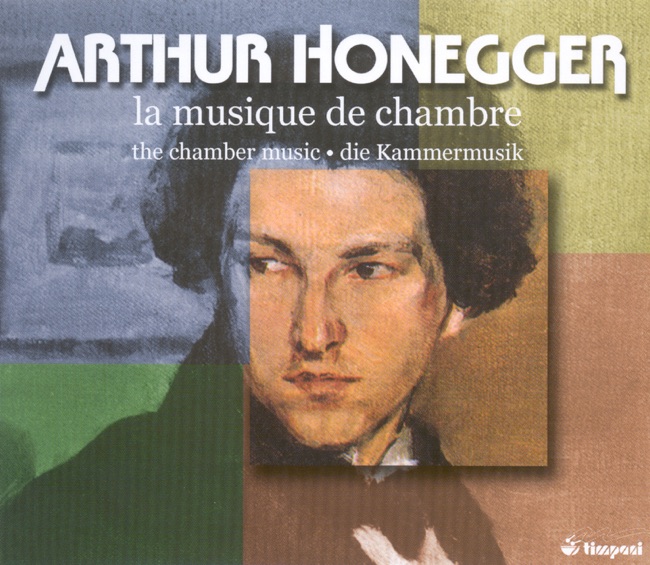
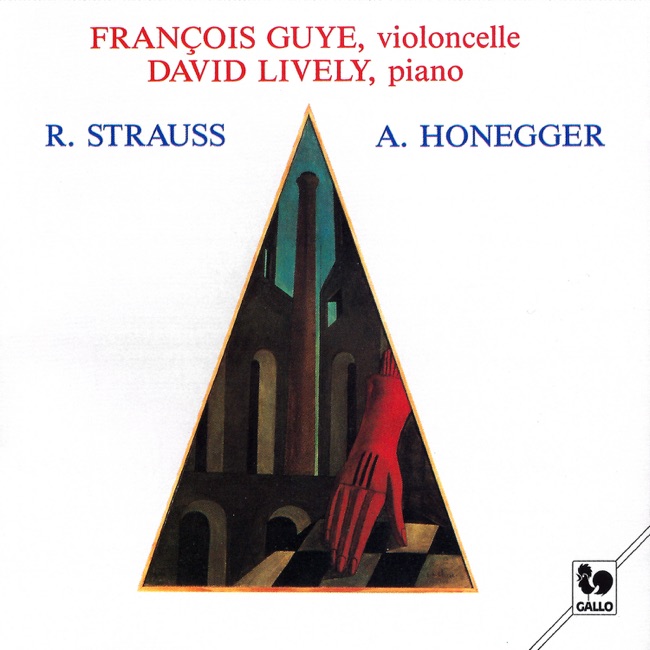
Works Info
Composer:Arthur HoneggerGenre:ChamberStyle:SonataCompose Date:1920Publication Date:1922Average_duration:14:51Movement_count:3Movement ....Arthur Honegger's Sonata for cello and piano in D minor, H. 32, was composed in 1920 and premiered on January 18, 1921, in Paris. The sonata consists of three movements: Allegro, Andante, and Allegro moderato. The first movement, Allegro, begins with a dramatic and intense cello solo, followed by the piano's entrance with a forceful and rhythmic accompaniment. The movement is characterized by its use of syncopation and irregular rhythms, creating a sense of tension and urgency. The cello and piano engage in a lively dialogue, with both instruments taking turns leading the melody. The second movement, Andante, is a stark contrast to the first, with a slower and more contemplative mood. The cello opens with a mournful melody, accompanied by the piano's gentle chords. The movement is characterized by its use of long, lyrical phrases and expressive dynamics, creating a sense of melancholy and introspection. The final movement, Allegro moderato, returns to the energetic and rhythmic style of the first movement. The cello and piano engage in a lively and playful dialogue, with both instruments showcasing their technical abilities. The movement is characterized by its use of syncopation and irregular rhythms, creating a sense of excitement and joy. Overall, Honegger's Sonata for cello and piano in D minor, H. 32, is a dynamic and expressive work, showcasing the composer's mastery of both instruments. The sonata's use of contrasting moods and rhythms creates a sense of drama and tension, while its lyrical melodies and expressive dynamics evoke a range of emotions.More....
Works Music
Released Music