Heinrich Scheidemann
Magnificat in tone 4
Released Album
Recent Album
Works Info
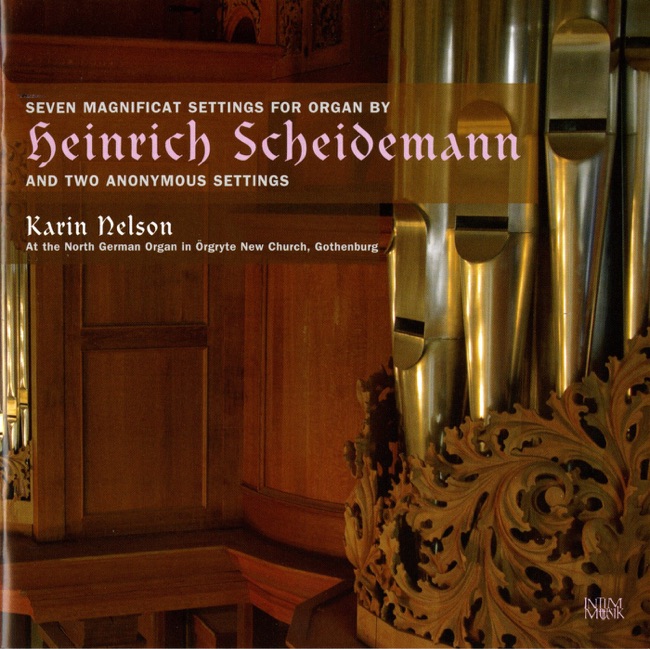
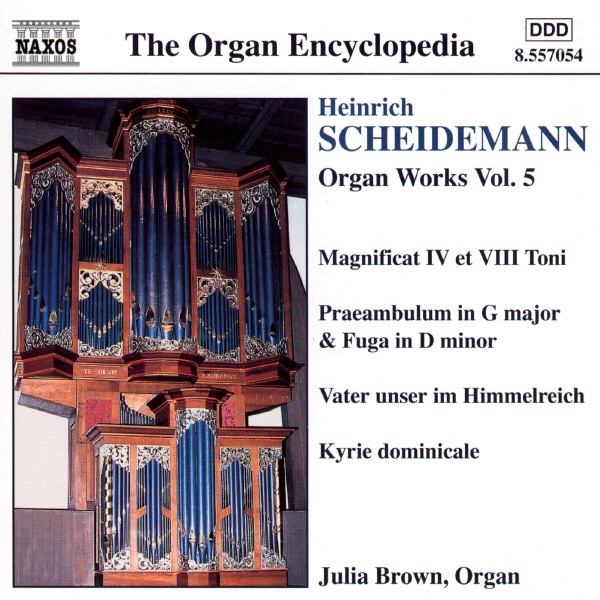
Composer:Heinrich ScheidemannGenre:KeyboardStyle:KeyboardAverage_duration:11:17Heinrich Scheidemann was a German composer and organist who lived from 1595 to 1663. He was a prominent figure in the North German organ school, which was a group of composers and performers who were active in the 17th century in the area around Hamburg. Scheidemann's Magnificat in tone 4 is one of his most famous works. The Magnificat in tone 4 was composed by Scheidemann in the early 17th century, although the exact date is not known. It is a setting of the Magnificat, which is a hymn of praise to the Virgin Mary that is found in the Gospel of Luke. The Magnificat has been set to music by many composers over the centuries, and Scheidemann's setting is one of the most famous. The Magnificat in tone 4 is divided into eight movements, each of which corresponds to a different section of the text of the Magnificat. The movements are as follows: 1. Magnificat anima mea Dominum (My soul doth magnify the Lord) 2. Et exultavit spiritus meus in Deo salutari meo (And my spirit hath rejoiced in God my Saviour) 3. Quia respexit humilitatem ancillae suae (For he hath regarded the lowliness of his handmaiden) 4. Quia fecit mihi magna qui potens est (For he that is mighty hath done great things to me) 5. Et sanctum nomen eius (And holy is his name) 6. Et misericordia eius a progenie in progenies timentibus eum (And his mercy is on them that fear him throughout all generations) 7. Fecit potentiam in brachio suo (He hath showed strength with his arm) 8. Deposuit potentes de sede et exaltavit humiles (He hath put down the mighty from their seat, and hath exalted the humble and meek) The Magnificat in tone 4 is characterized by its use of polyphony, which is a style of music in which multiple voices sing different melodies at the same time. Scheidemann's setting features four voices, which sing in harmony throughout most of the piece. The music is also characterized by its use of imitative counterpoint, which is a technique in which one voice introduces a melody and another voice repeats it shortly thereafter. Overall, the Magnificat in tone 4 is a beautiful and complex piece of music that showcases Scheidemann's skill as a composer and organist. Its use of polyphony and imitative counterpoint make it a masterpiece of the North German organ school, and it remains a popular piece of music to this day.More....
Works Music
Released Music