Robert Schumann
Carnaval No. 1 "Préambule", Op. 9/1
Released Album
Recent Album
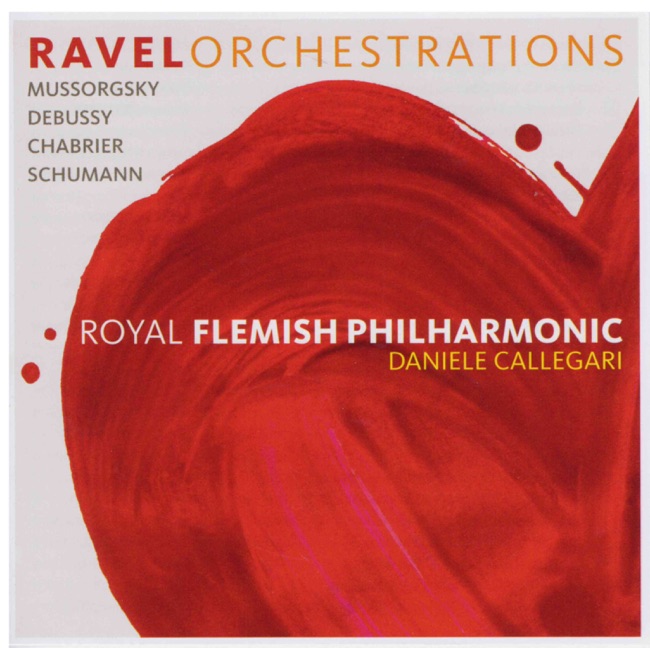
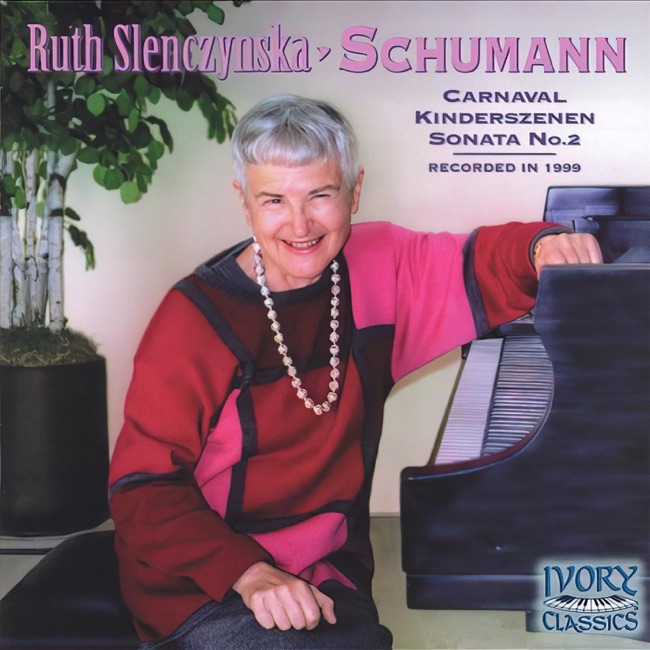
Featured Album
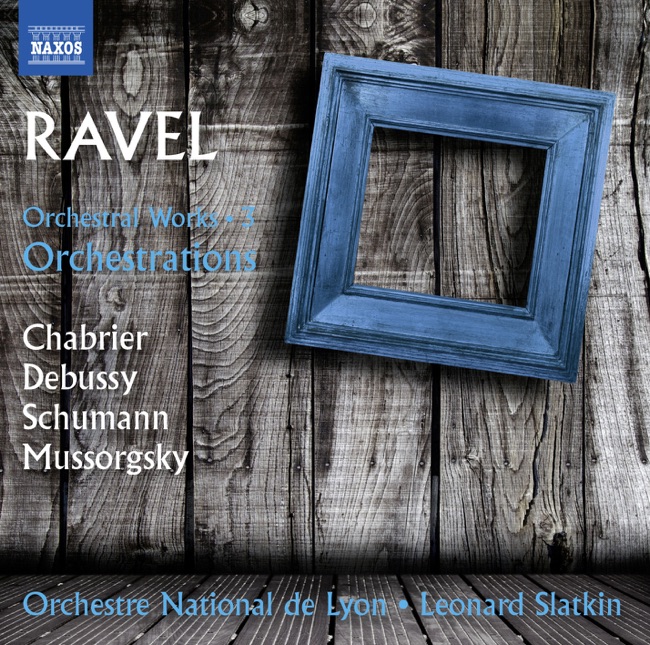
Works Info
Composer:Robert SchumannGenre:KeyboardStyle:PreambleCompose Date:1833 - 1835Average_duration:4:29Robert Schumann's "Carnaval No. 1 Préambule, Op. 9/1" is a piano piece that was composed in 1834-1835. It was premiered on February 22, 1835, in Leipzig, Germany. The piece is the first movement of Schumann's larger work, "Carnaval," which is a set of 21 short pieces for piano. The "Préambule" is a lively and energetic piece that sets the tone for the rest of the "Carnaval" suite. It is written in 3/4 time and is marked "agitato" (agitated) and "con fuoco" (with fire). The piece begins with a bold and assertive melody in the right hand, accompanied by a driving rhythm in the left hand. The melody is then repeated in a higher register, with added flourishes and trills. The middle section of the piece is more subdued, with a slower tempo and a more lyrical melody. This section provides a contrast to the opening theme and allows the listener to catch their breath before the piece returns to its energetic opening theme. One of the characteristics of Schumann's music is his use of musical motifs and themes. In the "Préambule," Schumann introduces a short motif in the opening bars of the piece that is repeated throughout the rest of the suite. This motif is a descending scale that is played in the left hand and serves as a unifying element for the entire work. Another characteristic of Schumann's music is his use of musical symbolism. In the "Carnaval" suite, each of the 21 pieces is named after a character from the Commedia dell'arte, a form of Italian theater that was popular in the 16th and 17th centuries. The "Préambule" is named after the character of Pierrot, who is a sad and melancholy clown. Schumann's use of this character in the title of the piece suggests that there may be a deeper emotional undercurrent to the music, despite its lively and energetic surface. Overall, the "Carnaval No. 1 Préambule, Op. 9/1" is a dynamic and exciting piece of music that showcases Schumann's skill as a composer. Its use of musical motifs and symbolism, as well as its energetic rhythms and melodies, make it a memorable and engaging work for both performers and listeners.More....
Works Music
Released Music
Featured Music