


William Young
Sonata for violin, viola da gamba & continuo in D minor
Released Album
Recent Album
Works Info
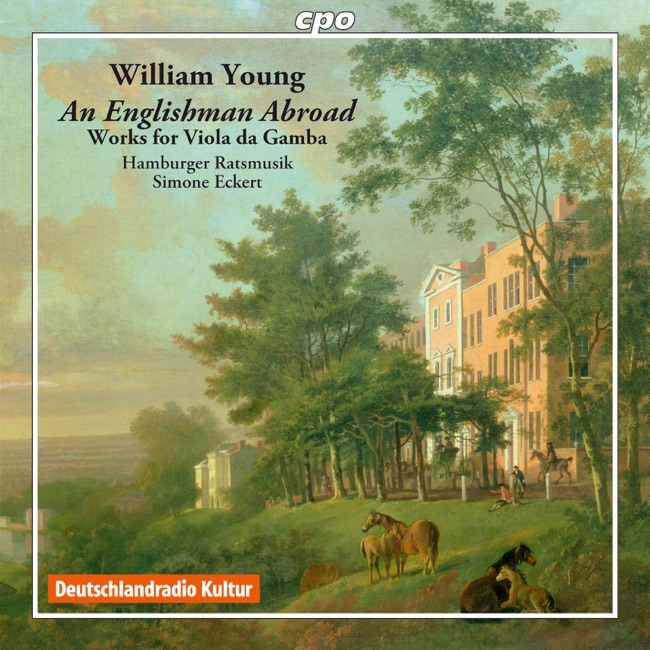
Composer:William YoungGenre:ChamberAverage_duration:3:52The Sonata for violin, viola da gamba & continuo in D minor is a Baroque chamber music piece composed by William Young. It was likely composed in the early 18th century, although the exact date is unknown. The sonata is believed to have been premiered in London, where Young was active as a composer and performer. The sonata consists of four movements, typical of the Baroque sonata form. The first movement is a slow and somber Adagio, featuring a mournful melody played by the violin and viola da gamba in unison. The second movement is a lively Allegro, with the violin and viola da gamba trading off virtuosic passages. The third movement is a graceful Largo, featuring a lyrical melody played by the violin over a simple continuo accompaniment. The final movement is a fast and energetic Allegro, with the violin and viola da gamba engaging in a lively dialogue. The sonata is notable for its use of the viola da gamba, a stringed instrument popular in the Baroque era but now largely obsolete. The viola da gamba has a warm and mellow tone, which complements the brighter sound of the violin. The two instruments are often played in unison or in close harmony, creating a rich and complex texture. Overall, the Sonata for violin, viola da gamba & continuo in D minor is a fine example of Baroque chamber music, showcasing the virtuosity and expressive potential of the violin and viola da gamba. Its four movements offer a range of moods and styles, from the mournful Adagio to the lively Allegro, making it a rewarding and enjoyable piece for performers and listeners alike.More....
Works Music
Released Music
1
3:6
2
Sonata for violin, viola da gamba & continuo in D minor
Sonata in d-Moll (aus: GB-DRc ms. D. 2 für Violine, Viola da gamba und B. c.)
4:39