Felix Mendelssohn
Salve Regina in E flat major
Released Album
Recent Album




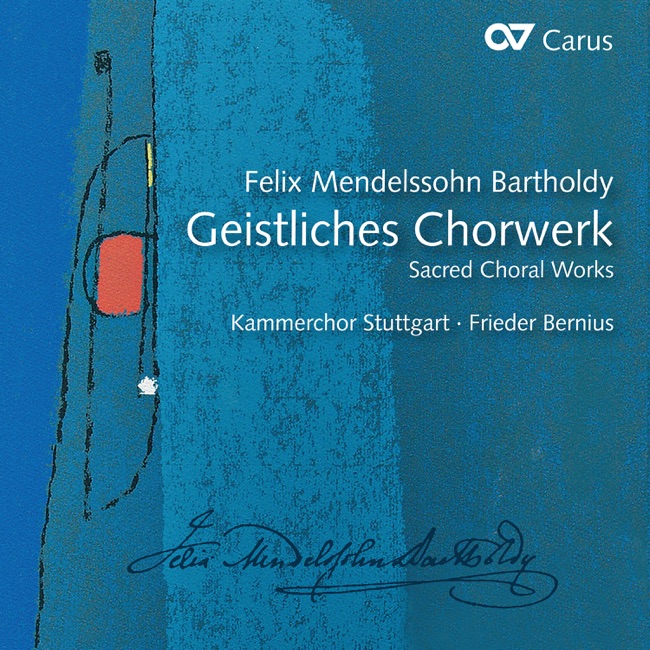
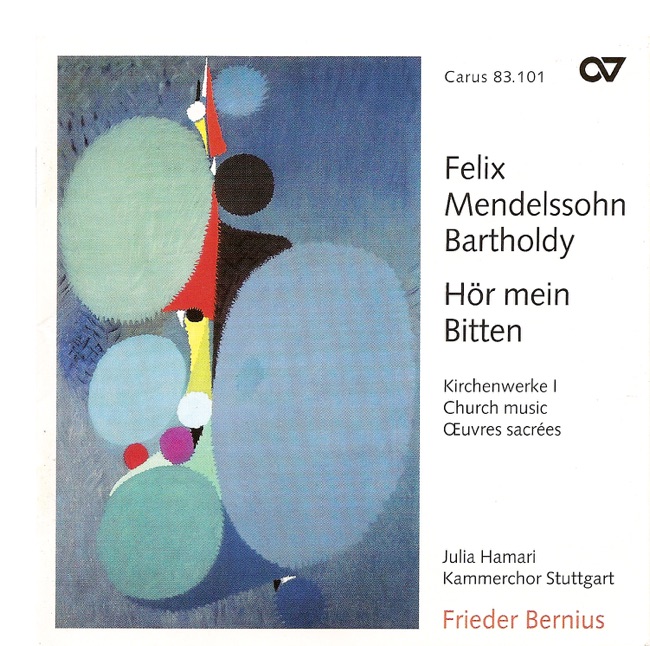
Works Info
Composer:Felix MendelssohnGenre:VocalStyle:Vocal MusicCompose Date:ca. Apr 9, 1824Publication Date:1830Average_duration:7:36Felix Mendelssohn composed his "Salve Regina in E flat major" in 1844, and it premiered in Leipzig the same year. The piece is a setting of the Marian antiphon "Salve Regina," which is traditionally sung in the Catholic Church during the season of Advent. The "Salve Regina in E flat major" is divided into three movements. The first movement is a slow and solemn introduction, featuring a rich and expressive melody sung by the choir. The second movement is a lively and energetic fugue, with the choir and orchestra trading off intricate and complex musical lines. The final movement returns to the slow and contemplative mood of the first, with the choir singing a beautiful and peaceful melody that gradually builds to a powerful climax. One of the most striking characteristics of Mendelssohn's "Salve Regina in E flat major" is its use of harmony. The piece is full of rich and complex chords, with Mendelssohn often using unexpected harmonic shifts to create a sense of tension and release. The piece also features a number of beautiful and expressive melodies, which are sung by the choir and accompanied by the orchestra. Overall, Mendelssohn's "Salve Regina in E flat major" is a beautiful and powerful piece of music, full of rich harmonies and expressive melodies. Its three movements showcase Mendelssohn's skill as a composer, and its setting of the "Salve Regina" text is a testament to his deep faith and devotion.More....
Works Music
Released Music




5

7:36