


Spoken Word
Antje Dörfner in conversation with Mariss Jansons about the concert with Gustav Mahler's Symphony No. 4 on December 17, 2010
Released Album
Recent Album
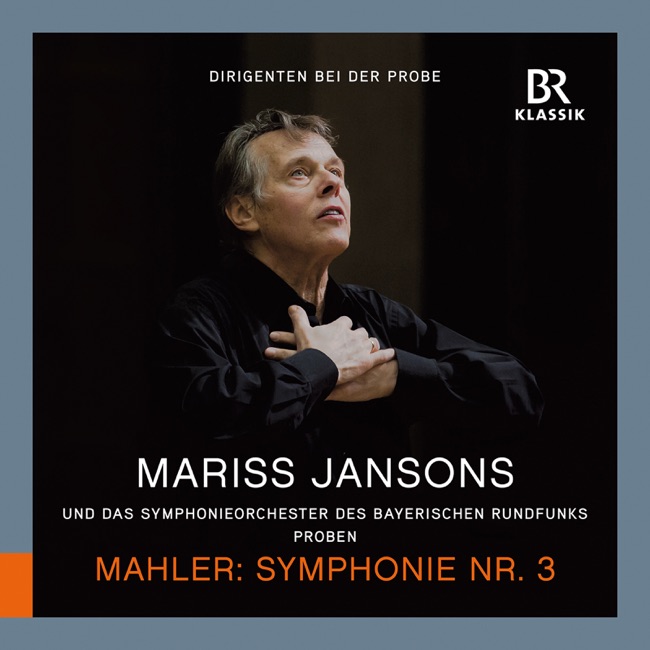
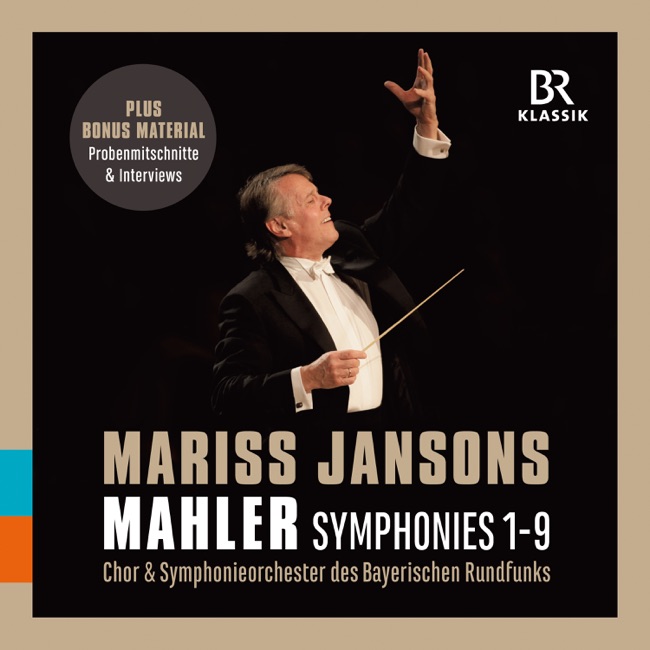
Works Info
Composer:Spoken WordGenre:MiscellaneousCompose Date:December 17, 2010Average_duration:21:26Movement_count:5Movement ....Title: Antje Dörfner in Conversation with Mariss Jansons about the Concert with Gustav Mahler's Symphony No. 4 on December 17, 2010$$$Date: December 17, 2010nPremiere: The conversation took place before the concert featuring Gustav Mahler's Symphony No. 4.$$$Movements:n1. Introduction and Background: Antje Dörfner, a renowned music journalist, engages in a conversation with Mariss Jansons, the esteemed conductor, about the upcoming concert featuring Gustav Mahler's Symphony No. 4. They begin by discussing the historical context and significance of Mahler's work.$$$2. First Movement: Dörfner and Jansons delve into the first movement of Symphony No. 4, exploring its structure, themes, and emotional depth. They discuss Mahler's unique ability to blend elements of Romanticism and classical forms, creating a symphony that is both grand and intimate.$$$3. Second Movement: The conversation moves on to the second movement, a lively scherzo. Dörfner and Jansons analyze the rhythmic complexities and the contrasting moods within this movement. They highlight Mahler's skill in creating a sense of tension and release, as well as his use of folk-inspired melodies.$$$4. Third Movement: Dörfner and Jansons discuss the third movement, a serene and introspective adagio. They explore the delicate orchestration and the profound emotional impact of this movement. They also touch upon Mahler's use of solo instruments, particularly the violin, to convey a sense of longing and melancholy.$$$5. Fourth Movement: The conversation culminates in a discussion of the fourth and final movement, featuring a soprano soloist. Dörfner and Jansons analyze the text, which depicts a child's vision of heaven, and its connection to the overall themes of the symphony. They emphasize the ethereal beauty and innocence portrayed in this movement.$$$Characteristics:nThroughout the conversation, Dörfner and Jansons highlight the unique characteristics of Mahler's Symphony No. 4. They emphasize the symphony's blend of grandeur and intimacy, its emotional depth, and its ability to evoke a wide range of emotions. They also discuss Mahler's innovative orchestration techniques, his use of folk melodies, and his incorporation of solo instruments to convey specific emotions. The conversation showcases the profound impact of Mahler's music and its ability to resonate with audiences.$$$In conclusion, the conversation between Antje Dörfner and Mariss Jansons provides a comprehensive analysis of Gustav Mahler's Symphony No. 4. Their discussion covers the historical context, movements, and characteristics of the symphony, shedding light on its significance and impact. This conversation serves as a valuable resource for music enthusiasts and scholars alike, deepening their understanding and appreciation of Mahler's masterpiece.More....
Works Music
Released Music
1
Antje Dörfner in conversation with Mariss Jansons about the concert with Gustav Mahler's Symphony No. 4 on December 17, 2010
Das himmlische Leben aus Des Knaben Wunderhorn
4:28
2
Antje Dörfner in conversation with Mariss Jansons about the concert with Gustav Mahler's Symphony No. 4 on December 17, 2010
Möchten Sie Beethoven oder Mahler treffen?
3:31