


Georg Philipp Telemann
Sonata for violin (or flute) & continuo in F major (Solos à Violon ou Traverso No. 1), TWV 41:F3
Released Album
Recent Album
Works Info
Composer:Georg Philipp TelemannGenre:ChamberCompose Date:1734Publication Date:1734Average_duration:7:43Georg Philipp Telemann's Sonata for violin (or flute) & continuo in F major (Solos à Violon ou Traverso No. 1), TWV 41:F3, was composed in the early 18th century. The exact date of composition is unknown, but it is believed to have been written between 1715 and 1720. The sonata was premiered in Germany, where Telemann was based, and quickly became popular throughout Europe. The sonata consists of four movements: Adagio, Allegro, Largo, and Allegro. The first movement, Adagio, is a slow and expressive introduction that sets the tone for the rest of the piece. The second movement, Allegro, is a lively and energetic dance that showcases the technical abilities of the soloist. The third movement, Largo, is a slow and melancholic melody that allows the soloist to showcase their emotional range. The final movement, Allegro, is a fast and playful dance that brings the piece to a lively conclusion. One of the characteristics of Telemann's Sonata for violin (or flute) & continuo in F major is its use of counterpoint. The soloist and continuo parts are intricately woven together, creating a complex and harmonious sound. Another characteristic is the use of ornamentation, which was common in Baroque music. The soloist is expected to add their own embellishments to the melody, making each performance unique. Overall, Telemann's Sonata for violin (or flute) & continuo in F major is a beautiful and complex piece of music that showcases the technical abilities of the soloist while also allowing for emotional expression. Its popularity has endured for centuries, and it remains a beloved piece in the classical music repertoire.More....
Works Music
Released Music
1
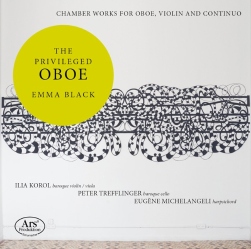
1:50
2
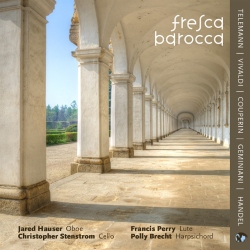
2:6
3
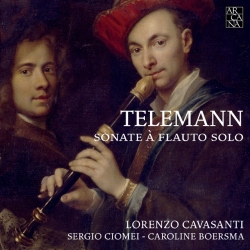
1:53
4
2:16