Dmitry Kabalevsky
Sonnets (10) of Shakespeare for voice & piano, Op. 52
Released Album
Recent Album
Works Info
Composer:Dmitry KabalevskyGenre:VocalStyle:Vocal MusicCompose Date:1953 - 1955Average_duration:22:39Movement_count:10Movement ....Dmitry Kabalevsky's 'Sonnets (10) of Shakespeare for voice & piano, Op. 52' is a song cycle composed in 1952. The premiere of the work took place in Moscow in the same year. The cycle consists of ten songs, each based on a sonnet by William Shakespeare. The first song, "When I do count the clock", is a slow and melancholic piece that sets the tone for the rest of the cycle. The second song, "Shall I compare thee to a summer's day?", is more upbeat and playful, with a lively piano accompaniment. The third song, "My mistress' eyes are nothing like the sun", is a tender and romantic ballad. The fourth song, "Let me not to the marriage of true minds", is a powerful and dramatic piece that explores the theme of love and commitment. The fifth song, "That time of year thou mayst in me behold", is a reflective and introspective piece that contemplates the passing of time. The sixth song, "When in disgrace with fortune and men's eyes", is a somber and introspective piece that explores the theme of self-doubt and insecurity. The seventh song, "Full many a glorious morning have I seen", is a joyful and optimistic piece that celebrates the beauty of nature. The eighth song, "When to the sessions of sweet silent thought", is a contemplative and introspective piece that explores the theme of memory and nostalgia. The ninth song, "Th'expense of spirit in a waste of shame", is a powerful and emotional piece that explores the theme of regret and loss. The final song, "So are you to my thoughts as food to life", is a tender and romantic ballad that brings the cycle to a close. Overall, Kabalevsky's 'Sonnets (10) of Shakespeare for voice & piano, Op. 52' is a beautiful and moving work that showcases the composer's skill in setting poetry to music.More....
Works Music
Released Music
1
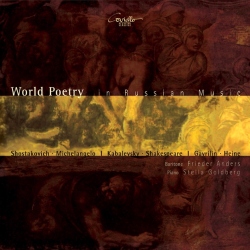
Sonnets (10) of Shakespeare for voice & piano, Op. 52
4. Sonett 8: Du selbst Musik (Music to hear)
3:6
2
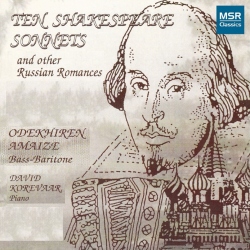
Sonnets (10) of Shakespeare for voice & piano, Op. 52
No. 1, "Sonnet 8": "Music to hear, why hear'st thou music sadly"
2:56