


Franz Joseph Haydn
String Quartet in B flat major, Op. 1/5, H. 3/5
Released Album
Recent Album
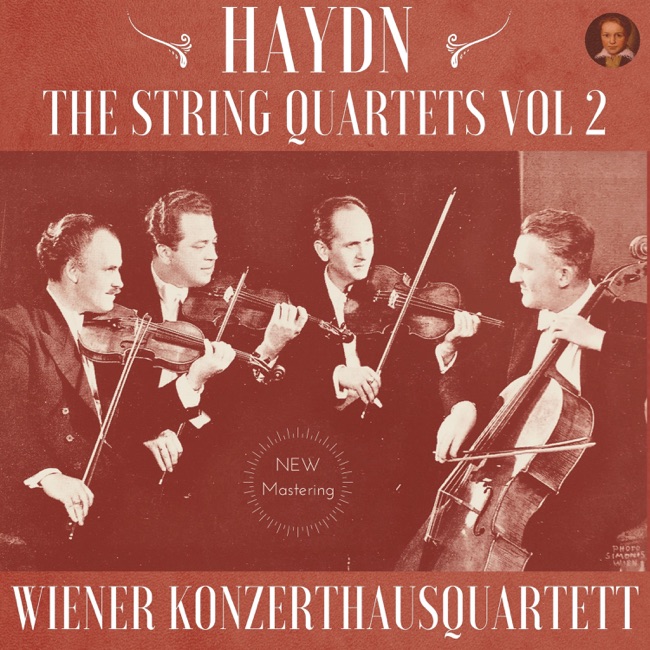
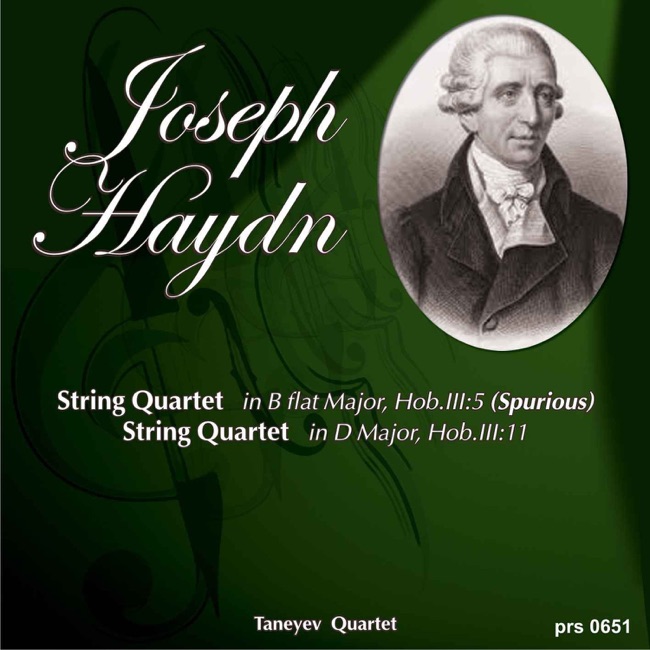
Works Info
Composer:Franz Joseph HaydnGenre:ChamberStyle:QuartetCompose Date:ca. 1770Average_duration:15:44Movement_count:3Movement ....Franz Joseph Haydn's String Quartet in B flat major, Op. 1/5, H. 3/5, was composed in 1757 and premiered in Vienna. It is one of six string quartets that make up Haydn's Opus 1, which he dedicated to the Baron Carl Joseph von Fürnberg. The quartet is comprised of four movements: Allegro, Menuetto, Adagio, and Presto. The first movement, Allegro, is in sonata form and begins with a lively and energetic theme that is passed between the instruments. The second movement, Menuetto, is a dance-like movement in triple meter that features a playful and light-hearted melody. The third movement, Adagio, is a slow and expressive movement that showcases the quartet's ability to create a beautiful and emotional sound. The final movement, Presto, is a fast and lively movement that brings the quartet to a thrilling conclusion. One of the characteristics of this quartet is its use of counterpoint, which is the technique of combining multiple melodies to create a complex and harmonious sound. Haydn was a master of counterpoint, and he uses it throughout the quartet to create intricate and beautiful textures. Another characteristic of the quartet is its use of dynamic contrast, which is the technique of varying the volume of the music to create a sense of drama and tension. Haydn uses this technique to great effect in the quartet, particularly in the first and final movements. Overall, Haydn's String Quartet in B flat major, Op. 1/5, H. 3/5, is a masterful work that showcases the composer's skill in creating complex and beautiful music. Its use of counterpoint and dynamic contrast make it a thrilling and engaging piece of music that continues to be performed and enjoyed by audiences today.More....
Works Music
Released Music
1
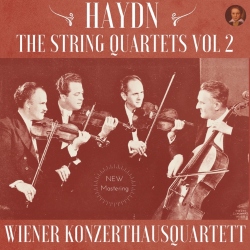
3:23
2
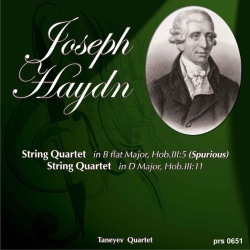
5:19
4
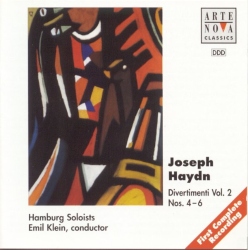
7:55