Johann Pachelbel
Magnificat Fugue in tone 1, No. 9, T. 109
Released Album
Recent Album
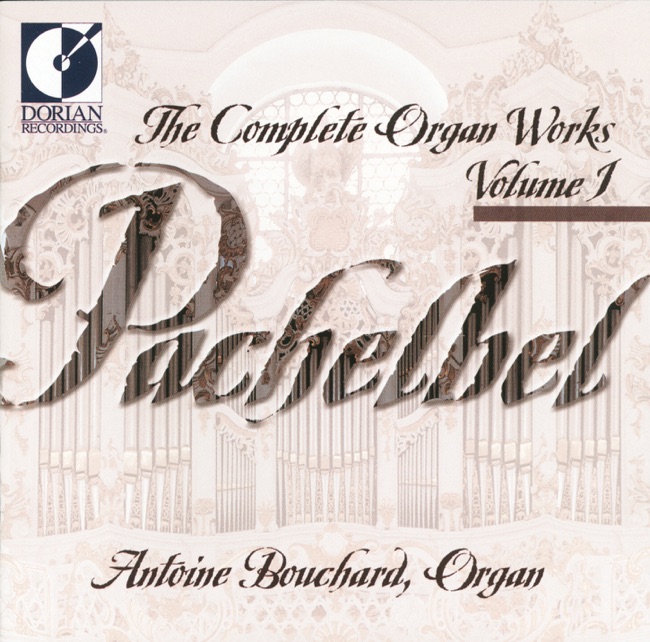
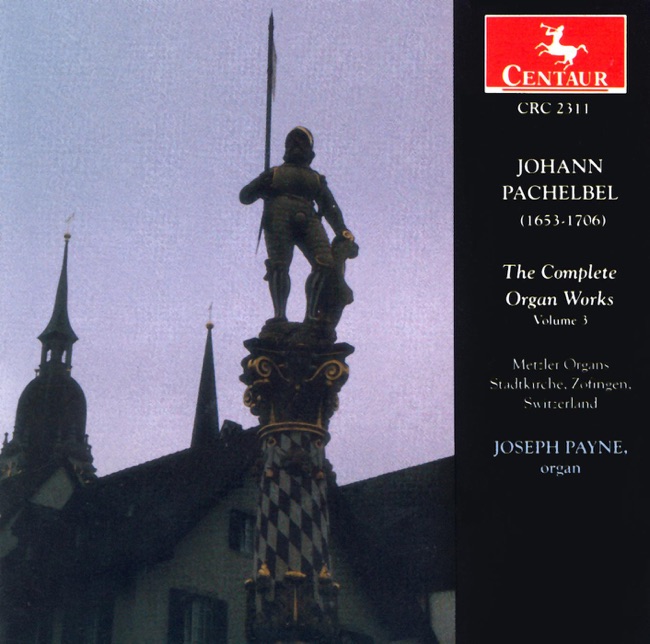
Works Info
Composer:Johann PachelbelGenre:KeyboardStyle:FugueCompose Date:before Apr 1706Average_duration:2:16Johann Pachelbel's Magnificat Fugue in tone 1, No. 9, T. 109 is a choral work that was composed in the Baroque era. It was written for a choir and orchestra and is based on the text of the Magnificat, a hymn of praise from the Gospel of Luke. The piece is in the key of D major and is divided into six movements. The Magnificat Fugue was composed in the late 17th century, around 1690. It was first performed in the St. Sebaldus Church in Nuremberg, Germany, where Pachelbel was the organist. The piece was well-received and became one of Pachelbel's most popular works. The first movement of the Magnificat Fugue is a fugue based on the first line of the Magnificat text, "Magnificat anima mea Dominum" (My soul magnifies the Lord). The second movement is a duet for soprano and alto, with the text "Et exultavit spiritus meus" (And my spirit rejoices). The third movement is a chorus with the text "Quia respexit humilitatem" (For he has regarded the lowliness). The fourth movement is a duet for tenor and bass, with the text "Quia fecit mihi magna" (For he who is mighty has done great things for me). The fifth movement is a chorus with the text "Et misericordia eius" (And his mercy is on those who fear him). The final movement is a fugue based on the text "Sicut erat in principio" (As it was in the beginning). The Magnificat Fugue is characterized by its use of counterpoint and fugue. Pachelbel was known for his skill in writing fugues, and this piece is no exception. The use of fugue in the first and final movements gives the piece a sense of unity and structure. The duets and choruses provide contrast and showcase the different voices of the choir. Overall, the Magnificat Fugue in tone 1, No. 9, T. 109 is a beautiful and well-crafted choral work that showcases Pachelbel's skill as a composer. Its use of fugue and counterpoint make it a classic example of Baroque music, and its popularity has endured for centuries.More....
Works Music