Heinrich Scheidemann
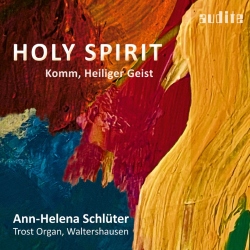
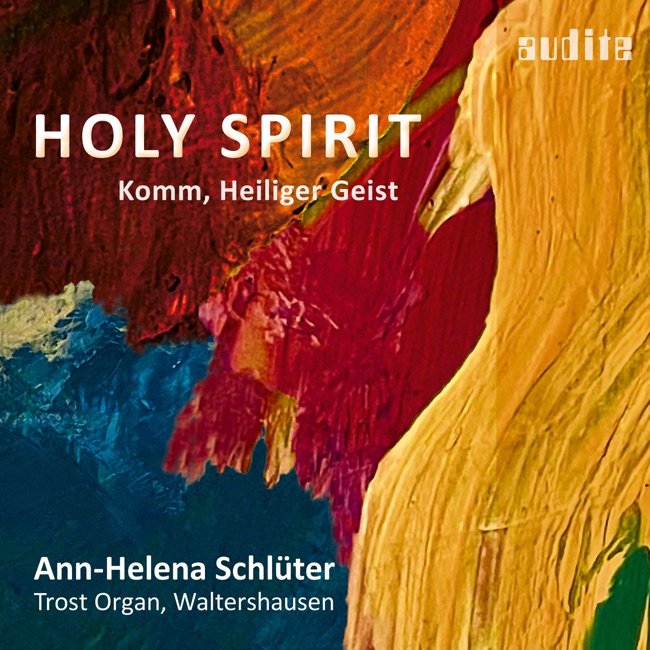
Komm Heiliger Geist
Released Album
Recent Album
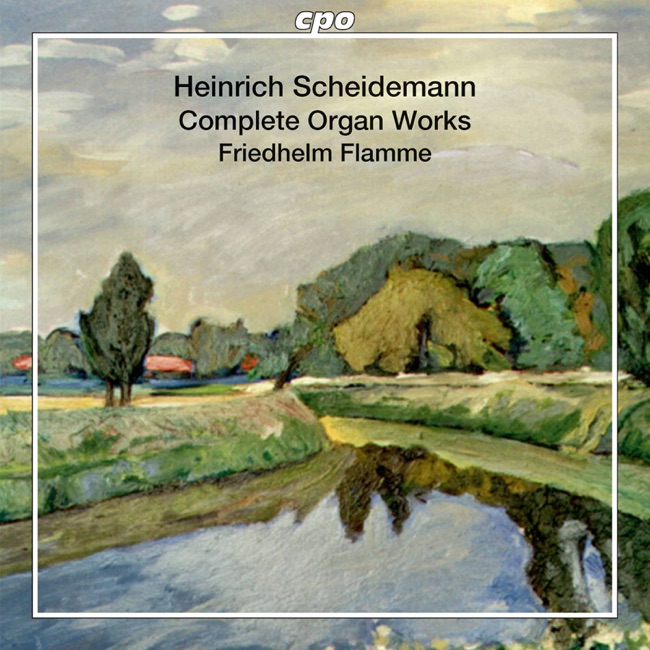
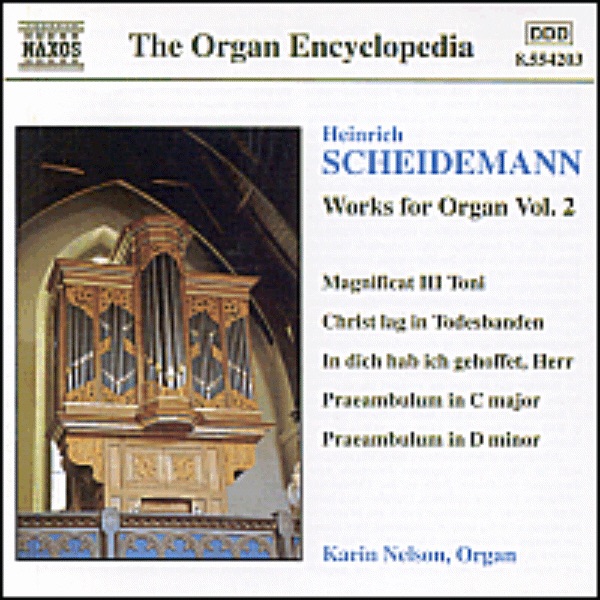
Works Info
Composer:Heinrich ScheidemannGenre:KeyboardStyle:KeyboardAverage_duration:3:41Heinrich Scheidemann was a German composer and organist who lived from 1595 to 1663. He was a prominent figure in the North German organ school, which was a group of composers and performers who were active in the 17th century. Scheidemann's music was highly influential in the development of the organ chorale, which was a type of music that was based on Lutheran hymns. One of Scheidemann's most famous works is "Komm Heiliger Geist," which is a chorale fantasia for organ. The piece is based on the hymn "Komm, Heiliger Geist, Herre Gott," which is a hymn that is traditionally sung on Pentecost. The piece is composed of four movements, each of which is based on a different verse of the hymn. The first movement is a prelude, which sets the tone for the piece. It begins with a slow, solemn introduction, which is followed by a faster section that is more lively and energetic. The second movement is a fugue, which is a type of contrapuntal music that is based on a single theme. The theme of the fugue is derived from the first line of the hymn, "Komm, Heiliger Geist." The third movement is a trio, which is a type of music that is written for three voices or instruments. The trio is based on the second verse of the hymn, which speaks of the Holy Spirit as a comforter. The final movement is a toccata, which is a type of music that is characterized by its fast, virtuosic passages. The toccata is based on the final verse of the hymn, which speaks of the Holy Spirit as a guide and protector. Overall, "Komm Heiliger Geist" is a highly expressive and virtuosic piece of music that showcases Scheidemann's skill as a composer and organist. The piece is notable for its use of counterpoint, which is a technique that involves the interweaving of multiple melodies. It is also notable for its use of chromaticism, which is a technique that involves the use of notes that are outside of the traditional diatonic scale. These elements give the piece a sense of complexity and depth, and make it a masterpiece of the North German organ school.More....