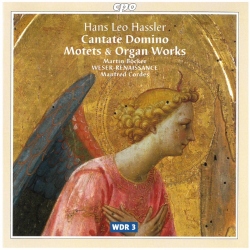
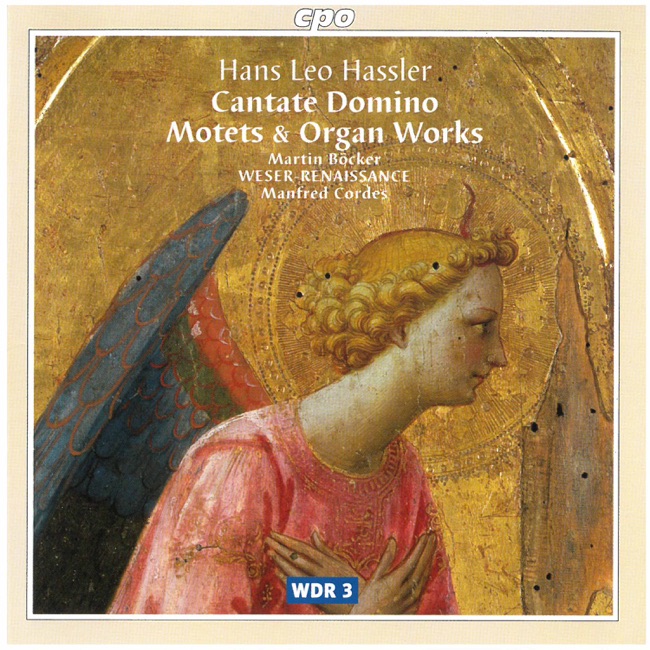
Hans Leo Hassler
Si bona suscepimus à 8
Released Album
Recent Album
Works Info
Composer:Hans Leo HasslerGenre:ChoralStyle:ChoralPublication Date:1612Average_duration:4:32Hans Leo Hassler was a German composer of the late Renaissance and early Baroque periods. He was born in Nuremberg in 1564 and died in Frankfurt in 1612. Hassler was a prolific composer of both sacred and secular music, and his works were highly regarded during his lifetime. One of Hassler's most famous works is his motet "Si bona suscepimus à 8," which was composed in 1591. The motet is written for eight voices and is based on a text from the Epistle of St. James. The text speaks of the goodness of God and the need for humility and obedience in order to receive His blessings. The motet is divided into three movements. The first movement is a lively and joyful setting of the text "Si bona suscepimus." The music is characterized by its rhythmic energy and lively counterpoint. The second movement is a more contemplative setting of the text "A Deo sunt dona." The music is slower and more introspective, with a focus on the beauty and goodness of God's gifts. The final movement returns to the joyful mood of the first movement, with a lively setting of the text "Et omne datum optimum." One of the most striking characteristics of "Si bona suscepimus" is its use of polychoral techniques. The eight voices are divided into two choirs, with each choir singing in alternation. This creates a rich and complex texture, with the voices weaving in and out of each other in a constantly shifting pattern. The use of polychoral techniques was a hallmark of the Venetian school of composers, and Hassler was one of the first German composers to adopt this style. Overall, "Si bona suscepimus" is a masterful example of Renaissance polyphony. Its lively rhythms, complex counterpoint, and rich harmonies make it a joy to listen to, while its profound spiritual message speaks to the timeless themes of faith, humility, and gratitude.More....
Works Music
Released Music