Johann Pachelbel
Chorale Prelude "Es woll' uns Gott genädig sein" (II), T. 37
Released Album
Recent Album
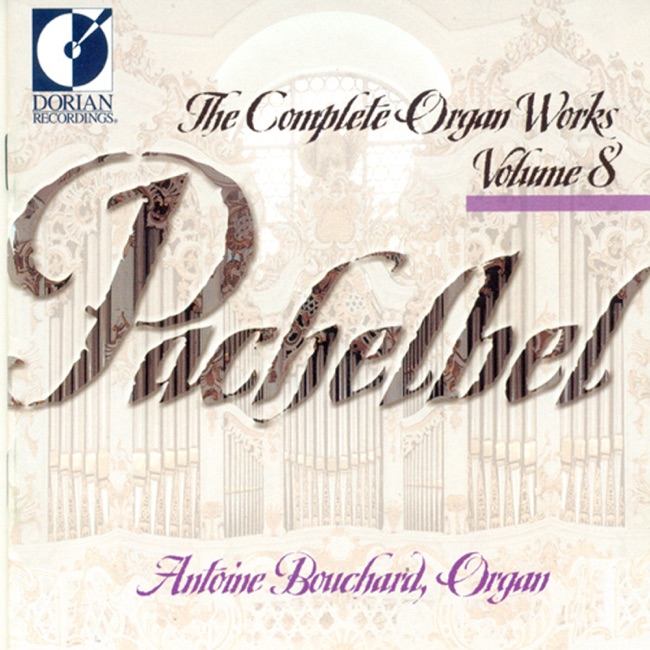
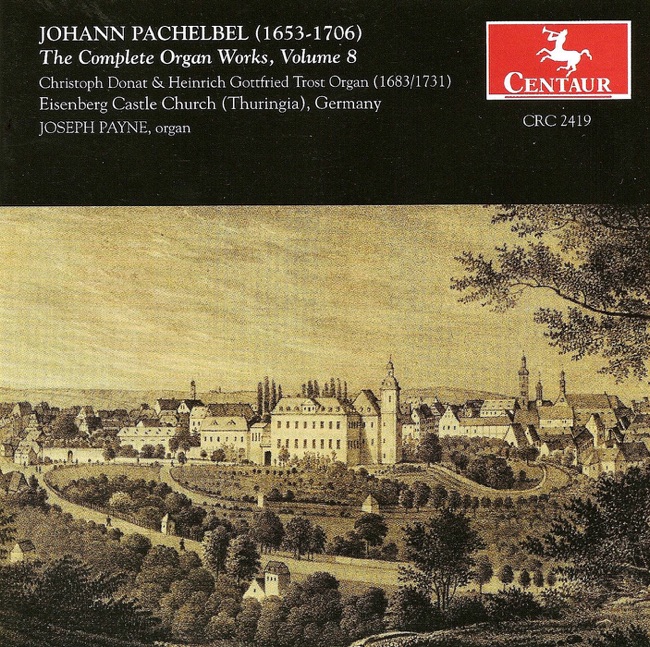
Works Info
Composer:Johann PachelbelGenre:KeyboardStyle:Chorale PreludeCompose Date:before Apr 1706Publication Date:1903Average_duration:2:30Johann Pachelbel's 'Chorale Prelude Es woll' uns Gott genädig sein (II), T. 37' is a piece of music that was composed in the Baroque era. The piece was composed for the organ and is a chorale prelude, which is a type of composition that is based on a hymn or chorale. The piece is also known as 'Aria Sebaldina' and is one of Pachelbel's most famous works. The composition was composed in the late 17th century, around 1690. It was first premiered in Nuremberg, Germany, where Pachelbel was working as an organist. The piece is made up of four movements, each of which is based on a different section of the hymn 'Es woll' uns Gott genädig sein'. The first movement of the piece is a simple and elegant introduction that sets the tone for the rest of the composition. The second movement is a lively and energetic section that features a series of fast runs and arpeggios. The third movement is a slower and more contemplative section that features a beautiful melody played on the organ's upper registers. The final movement is a triumphant and joyful section that brings the piece to a close. One of the characteristics of Pachelbel's 'Chorale Prelude Es woll' uns Gott genädig sein (II), T. 37' is its use of counterpoint. Counterpoint is a technique in which two or more melodies are played simultaneously, creating a complex and harmonious sound. Pachelbel was a master of counterpoint, and this piece showcases his skill in this area. Another characteristic of the piece is its use of ornamentation. Ornamentation is the addition of decorative elements to a melody, such as trills, turns, and grace notes. Pachelbel's use of ornamentation in this piece adds to its beauty and complexity. Overall, Pachelbel's 'Chorale Prelude Es woll' uns Gott genädig sein (II), T. 37' is a beautiful and complex piece of music that showcases the composer's skill in counterpoint and ornamentation. Its four movements are each unique and add to the overall beauty of the composition.More....
Works Music