Grazyna Bacewicz
String Quartet No. 3
Released Album
Recent Album
-
-
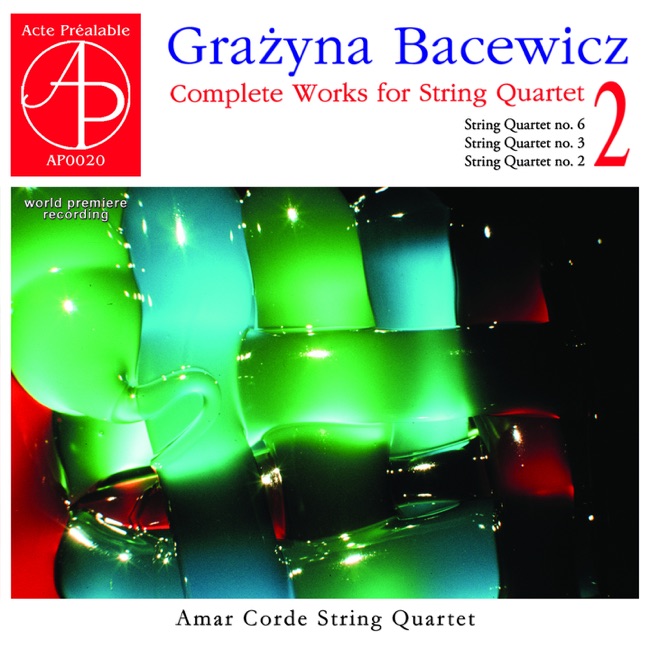 Amar Corde String QuartetJune 5, 2017
Featured Album
Works Info
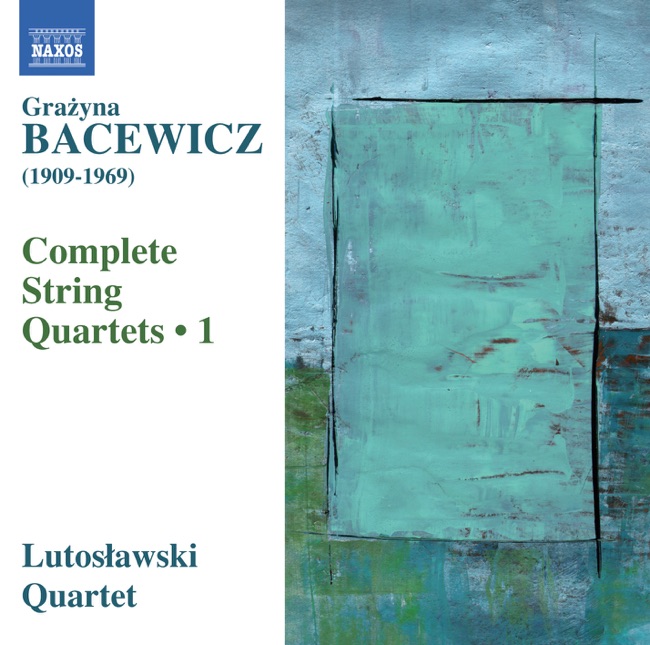
Composer:Grazyna BacewiczGenre:ChamberStyle:QuartetCompose Date:1947Average_duration:17:52Movement_count:3Movement ....Grazyna Bacewicz's String Quartet No. 3 is a significant work in the composer's oeuvre, showcasing her unique style and technical prowess. The piece was composed in 1947 and premiered on January 25, 1948, in Warsaw, Poland. The quartet is comprised of four movements, each with its own distinct character and mood. The first movement, marked Allegro moderato, opens with a lively and rhythmic theme played by the first violin. The theme is then passed around the quartet, with each instrument adding its own unique voice to the mix. The movement is characterized by its energetic and playful nature, with frequent changes in tempo and dynamics. The second movement, marked Andante sostenuto, is a stark contrast to the first. It opens with a mournful melody played by the cello, accompanied by the other instruments in a somber and reflective mood. The movement is marked by its use of dissonance and chromaticism, creating a sense of tension and unease. The third movement, marked Allegro molto, is a return to the lively and energetic character of the first. It opens with a fast and frenetic theme played by the first violin, which is then taken up by the other instruments. The movement is marked by its use of syncopation and irregular rhythms, creating a sense of excitement and unpredictability. The final movement, marked Allegro con spirito, is a lively and joyful conclusion to the quartet. It opens with a fast and playful theme played by the first violin, which is then developed and expanded upon by the other instruments. The movement is characterized by its use of counterpoint and complex rhythms, showcasing Bacewicz's technical skill and mastery of form. Overall, Bacewicz's String Quartet No. 3 is a significant work in the composer's oeuvre, showcasing her unique style and technical prowess. The quartet is marked by its use of rhythmic complexity, dissonance, and chromaticism, creating a sense of tension and unease that is balanced by moments of joy and playfulness.More....
Works Music
Released Music
Featured Music
3
5:53