


Grazyna Bacewicz
Released Album
Chamber
-
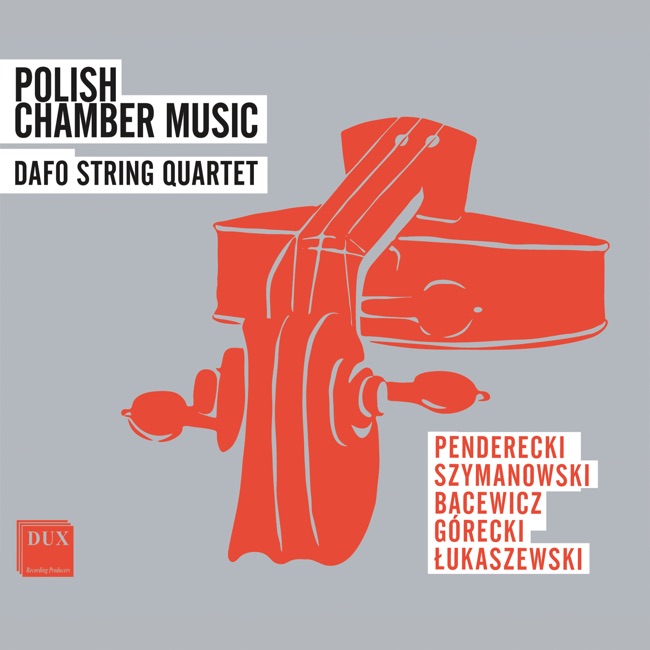
-
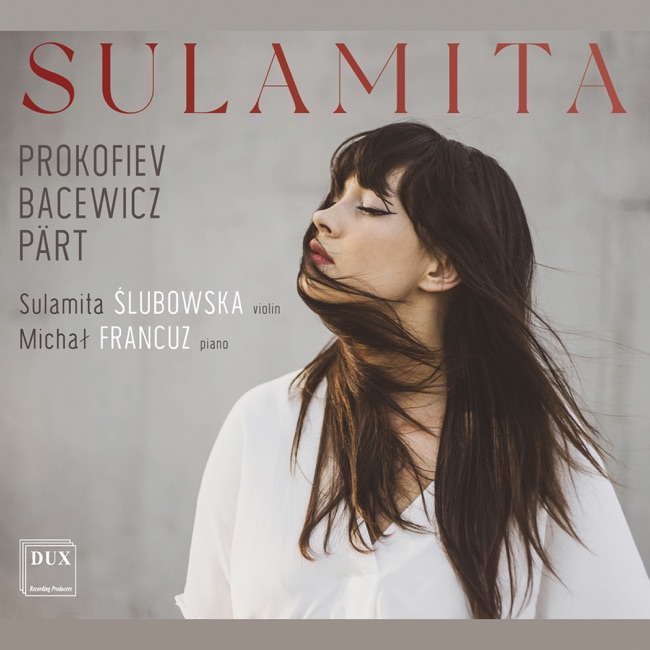 September 16, 2022
 -
 September 9, 2022
 -
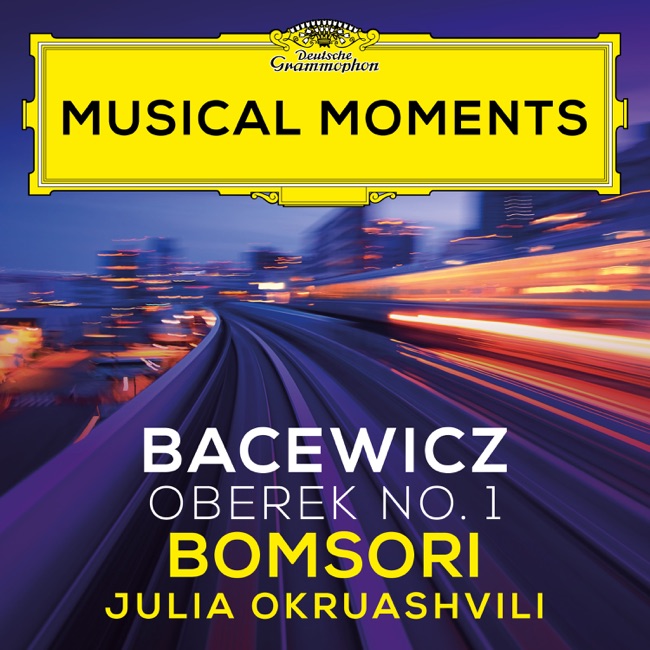 July 8, 2022
 -
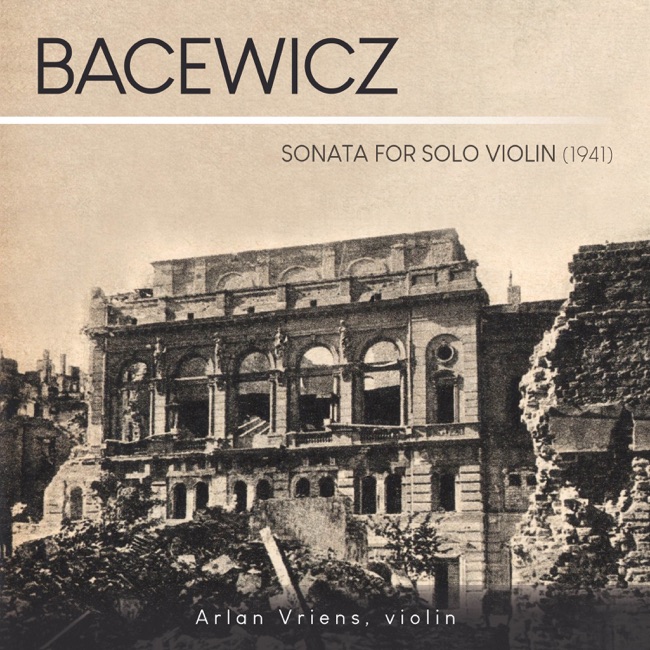 July 3, 2022
 -
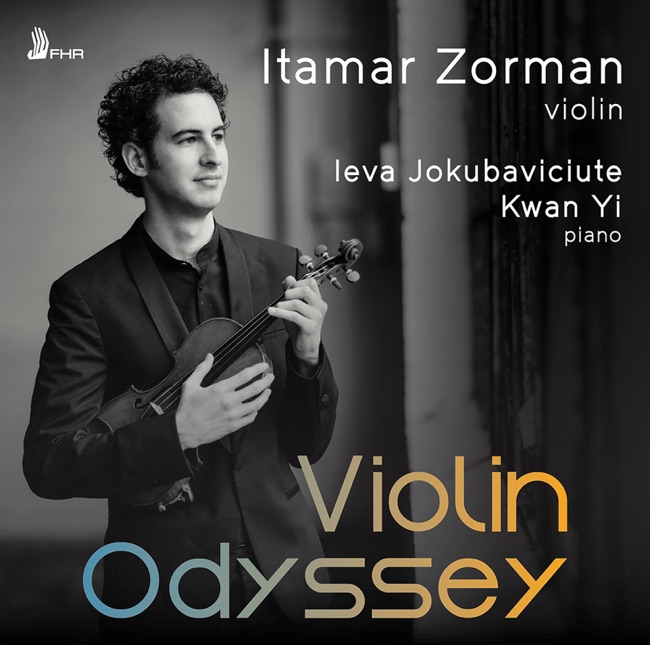 June 3, 2022
Keyboard
-
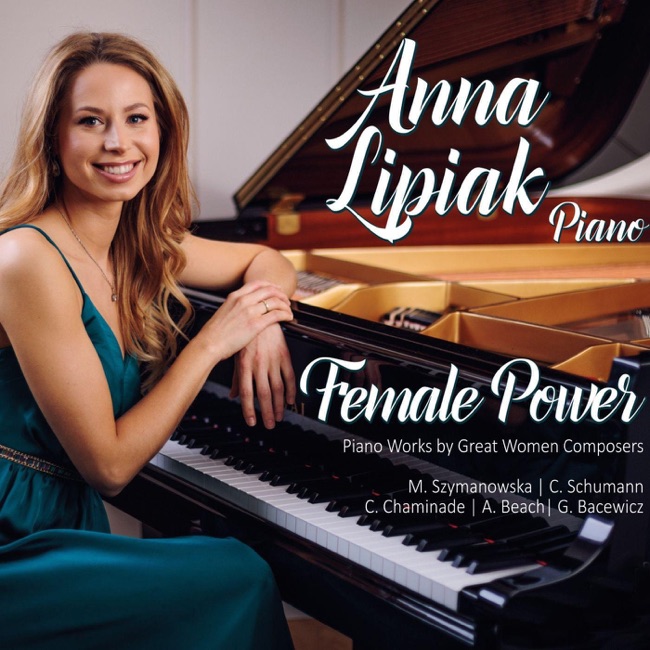 July 7, 2023
 -
 April 28, 2023
 -
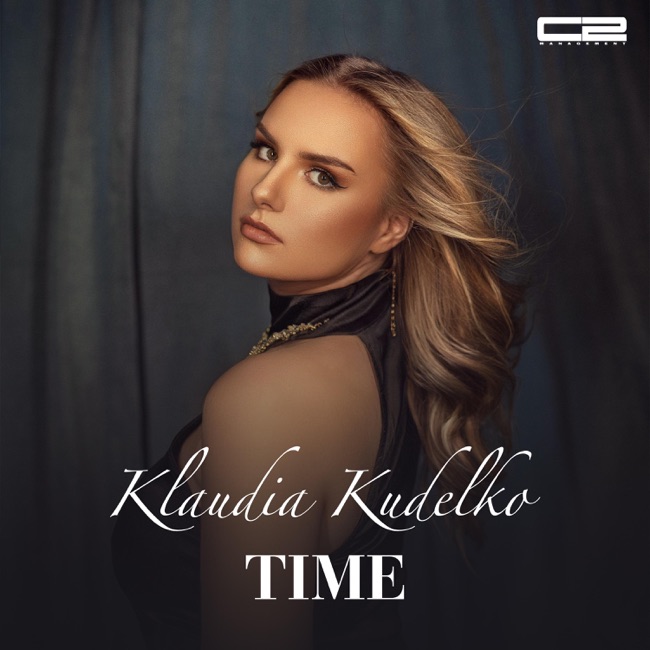 July 29, 2022
 -
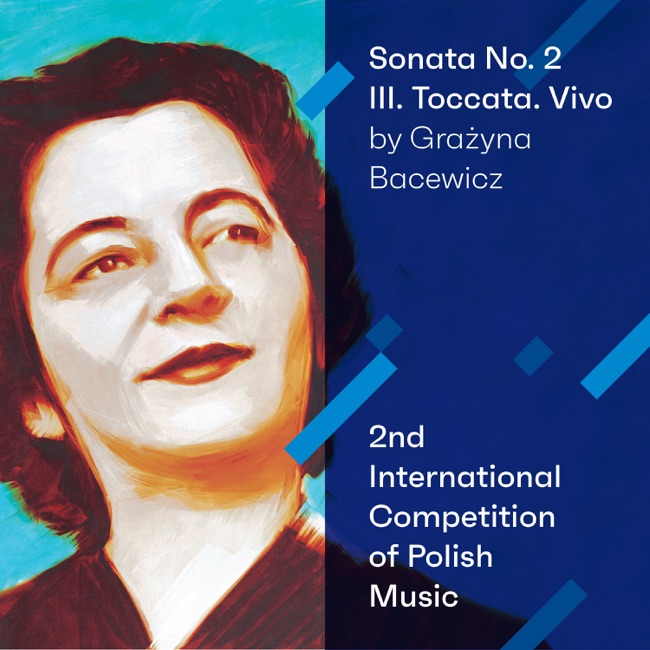
-
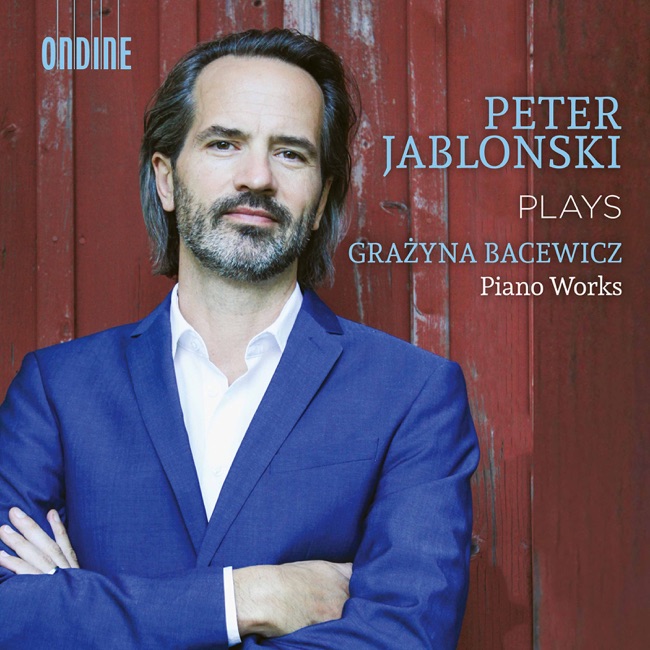 February 11, 2022
 -
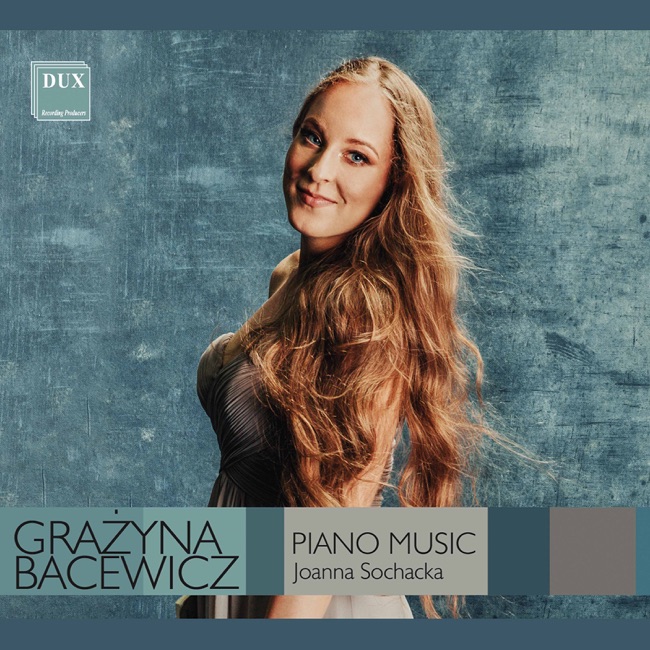 May 21, 2021
Concerto
-
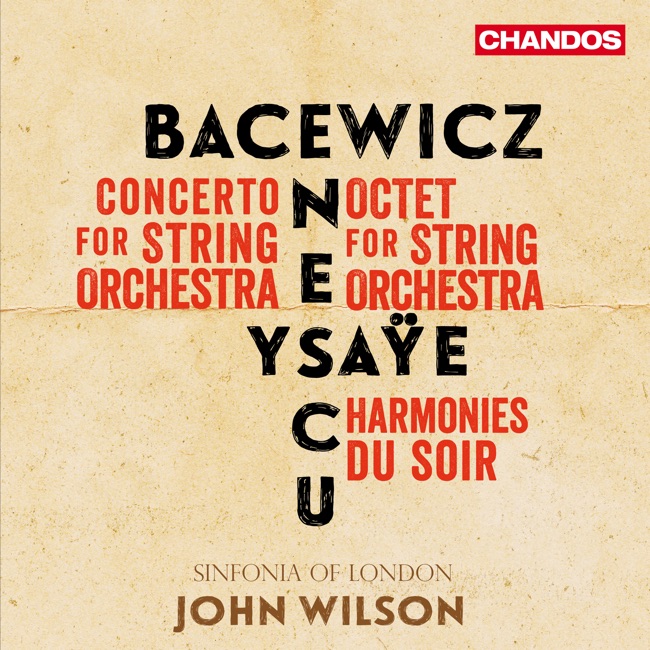
-
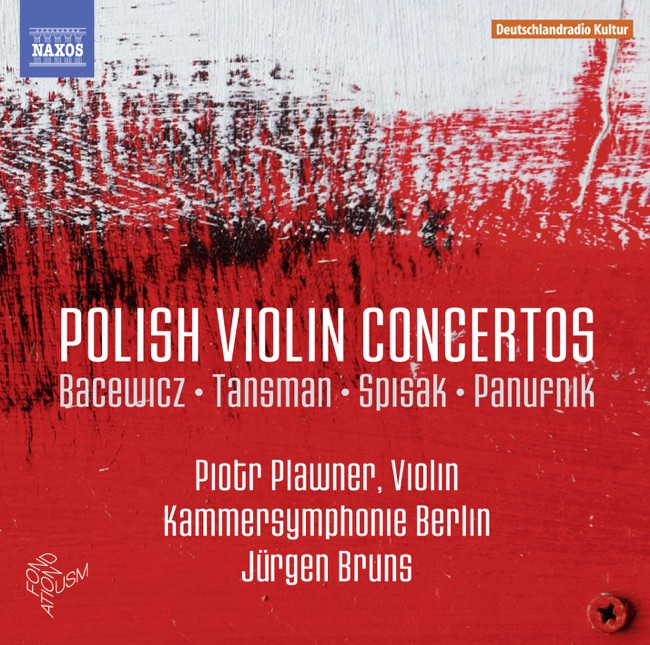
-
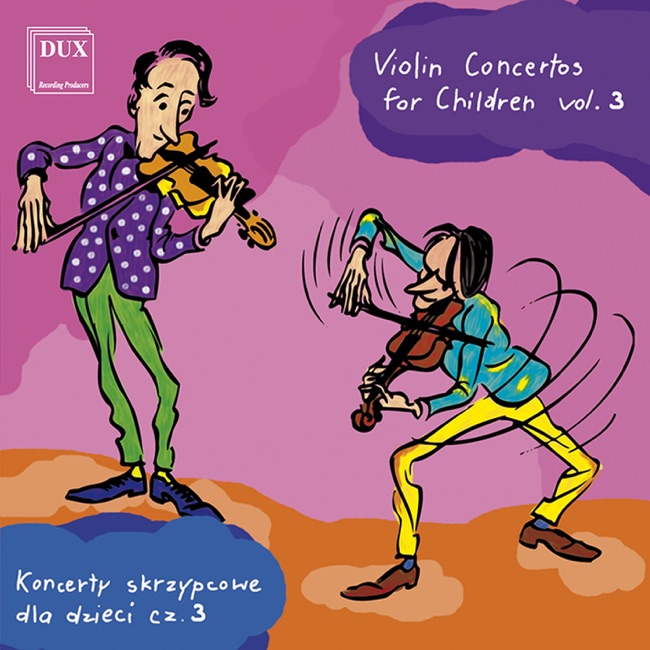 November 18, 2013
 -
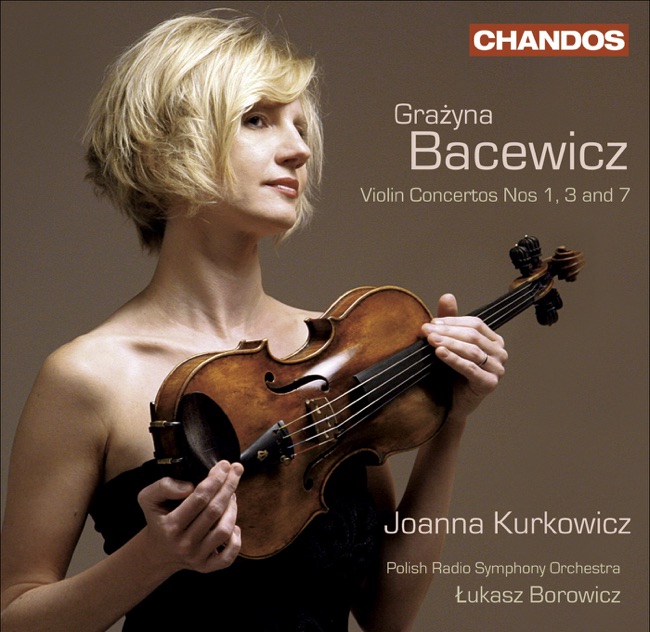 July 6, 2009
 -
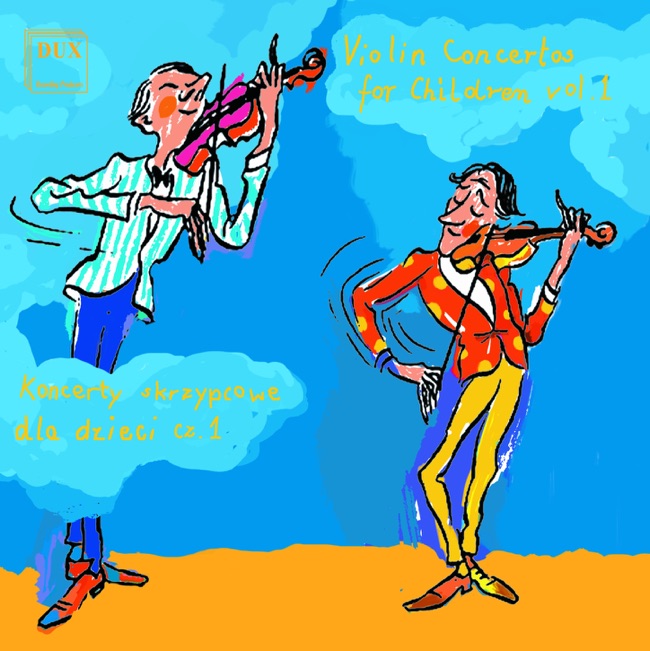 January 1, 2000
Artist Info
Role:ComposerCountry: PolandBirth:February 5, 1909 in Lódz, PolandDeath:January 17, 1969 in Warsaw, PolandPeriod:ModernGenre:ChamberConcertoKeyboardGrazyna Bacewicz was a Polish composer and violinist who was born on February 5, 1909, in Łódź, Poland. She was the daughter of a lawyer and a pianist, and her family was musically inclined. Bacewicz began playing the violin at the age of seven and showed great promise as a musician. She studied at the Warsaw Conservatory and later at the Paris Conservatory, where she studied composition with Nadia Boulanger. Bacewicz's early compositions were influenced by the neoclassical style of Stravinsky and the French composers of the time. Her first major work, the Piano Sonata No. 1, was composed in 1932 and was well-received by critics. She continued to compose throughout the 1930s, and her works were performed in Poland and abroad. During World War II, Bacewicz continued to compose despite the difficult circumstances. She played in the Warsaw Philharmonic Orchestra and was a member of the underground resistance movement. In 1944, she was injured during the Warsaw Uprising and was forced to stop playing the violin for several years. After the war, Bacewicz resumed her career as a composer and violinist. She became a professor at the State Higher School of Music in Łódź and continued to compose prolifically. Her works from this period include the String Quartet No. 4, the Concerto for String Orchestra, and the Symphony No. 3. Bacewicz's music is characterized by its clarity, precision, and emotional depth. She was a master of orchestration and was able to create a wide range of moods and textures in her works. Her compositions often feature complex rhythms and harmonies, and she was known for her use of folk melodies and rhythms in her music. One of Bacewicz's most famous works is the Concerto for Violin and Orchestra, which she composed in 1948. The concerto is a virtuosic showcase for the solo violinist and features a wide range of emotions and moods. It has become a staple of the violin repertoire and is considered one of the greatest violin concertos of the 20th century. Bacewicz's other notable works include the String Quartet No. 1, the Piano Quintet, and the Symphony No. 7. She also composed music for film and theater, including the score for the film "Ostatni etap" (The Last Stage), which won the Grand Prix at the Cannes Film Festival in 1948. Bacewicz continued to compose and perform until her death in 1969. She was a trailblazer for women in classical music and was one of the most important composers of her generation. Her music continues to be performed and recorded today, and she is remembered as a pioneering figure in Polish music.More....
Recent Artist Music










Copyright Ⓒ 2013 Davinci Finger. All rights reseved
Service Terms & Policy