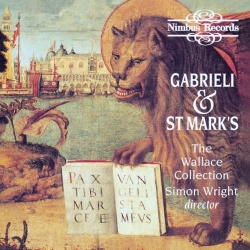
Giovanni Gabrieli
Canzon No. 12, for 8 parts
Released Album
Recent Album
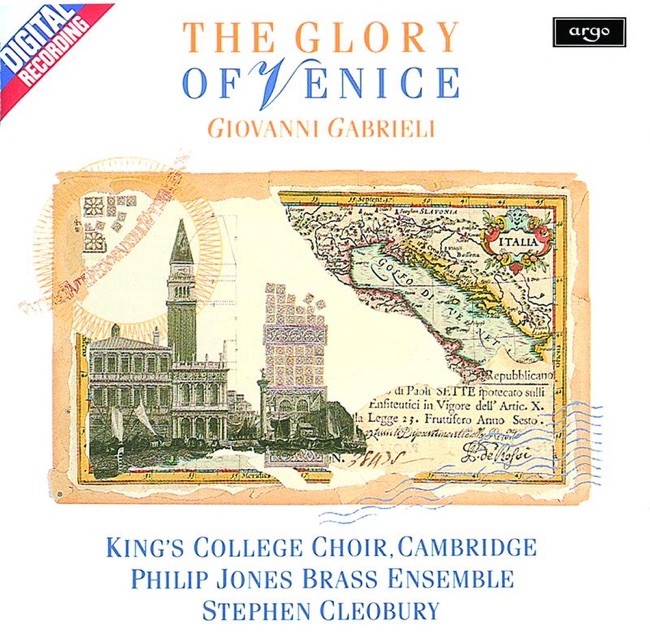
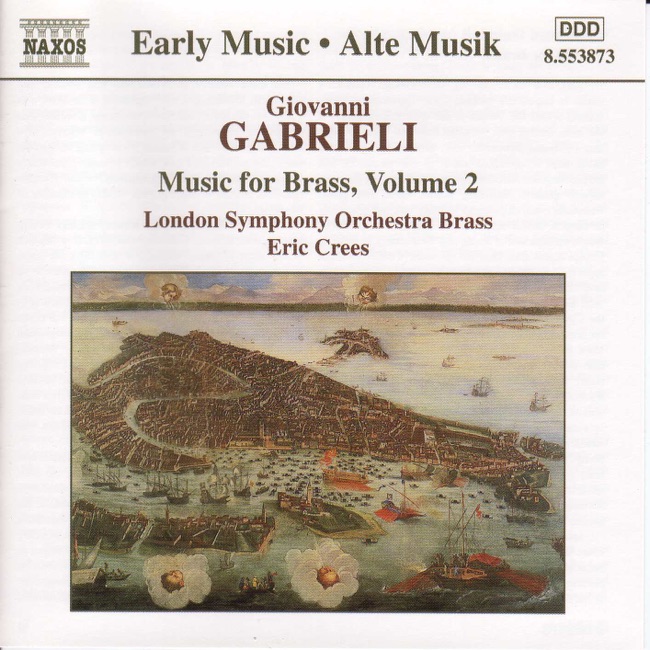
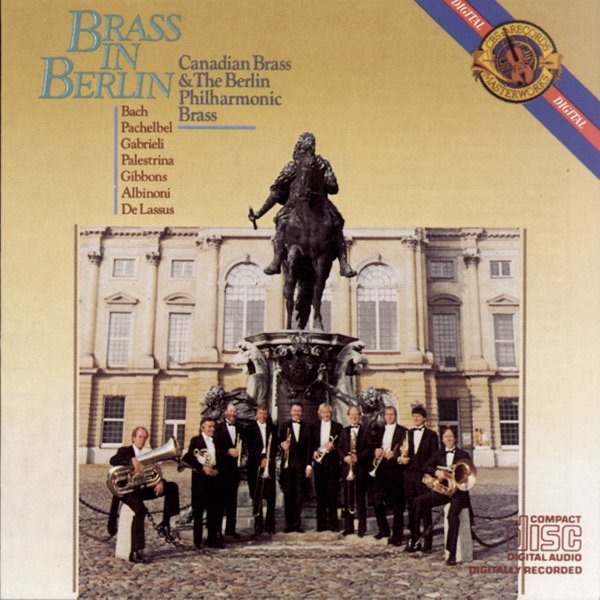
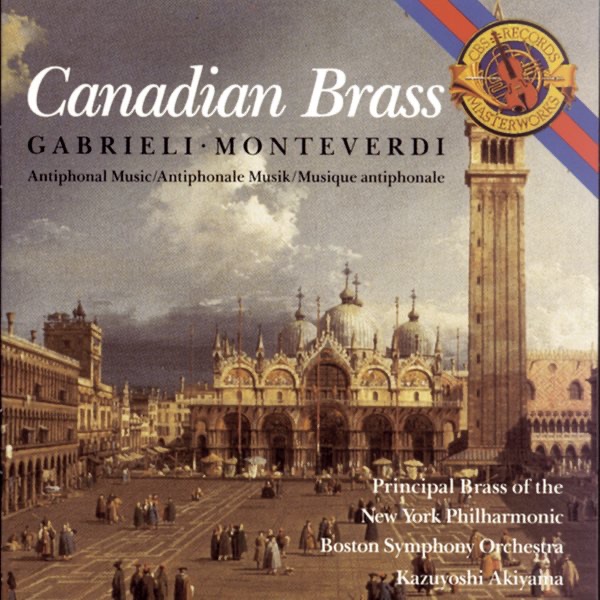
Featured Album
Works Info
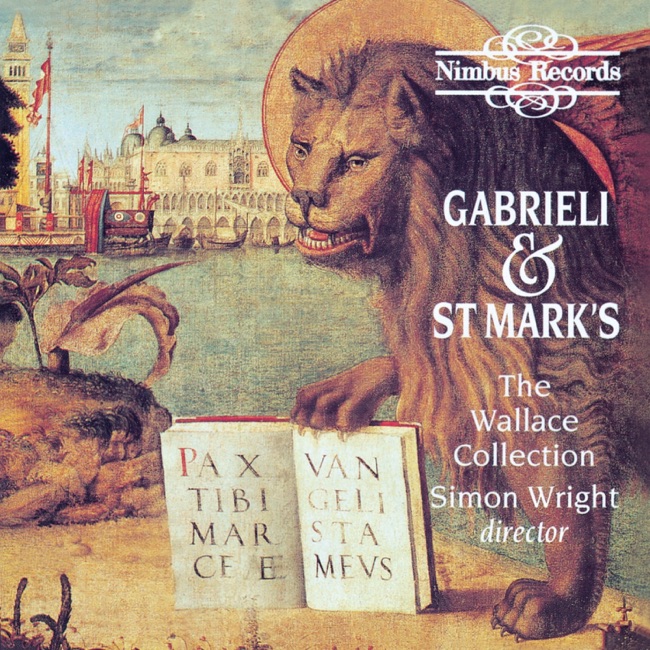
Composer:Giovanni GabrieliGenre:ChamberStyle:CanzonaPublication Date:1615Average_duration:3:14Giovanni Gabrieli's 'Canzon No. 12, for 8 parts' is a masterpiece of the Baroque era. It was composed in the late 16th century and premiered in St. Mark's Basilica in Venice, Italy. The piece is divided into three movements, each with its own unique characteristics. The first movement is marked by its lively and energetic tempo. The eight parts are divided into two choirs, with each choir consisting of four parts. The choirs alternate in a call-and-response style, creating a sense of dialogue between them. The music is characterized by its use of antiphonal effects, with the choirs echoing each other's phrases. The movement is also notable for its use of dynamic contrasts, with the music alternating between loud and soft passages. The second movement is a slower and more contemplative piece. It features a solo cornetto, a type of wind instrument, accompanied by the other seven parts. The cornetto's mournful melody is set against a backdrop of rich harmonies, creating a sense of melancholy and introspection. The movement is marked by its use of suspensions, where the notes of the melody clash with the harmonies, creating a sense of tension and release. The final movement is a lively and celebratory piece, marked by its use of dance rhythms. The eight parts are once again divided into two choirs, with each choir consisting of four parts. The choirs alternate in a call-and-response style, creating a sense of joyous celebration. The music is characterized by its use of syncopation, where the rhythms of the melody and accompaniment are deliberately offset, creating a sense of energy and excitement. Overall, 'Canzon No. 12, for 8 parts' is a masterful example of Gabrieli's skill as a composer. Its use of antiphonal effects, dynamic contrasts, suspensions, and dance rhythms create a sense of drama and excitement that is characteristic of the Baroque era. The piece remains a popular choice for performances and recordings to this day, and is a testament to Gabrieli's enduring legacy as one of the greatest composers of his time.More....
Works Music
Released Music

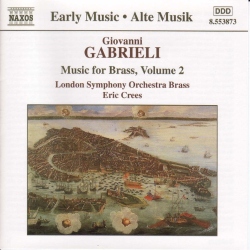
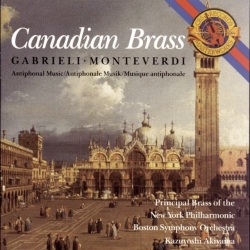
Featured Music