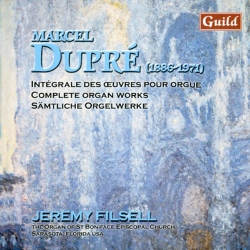
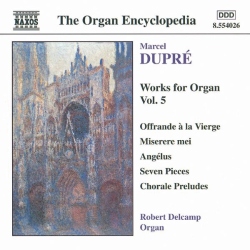
Marcel Dupré
Miserere Mei, Op. 46
Released Album
Recent Album
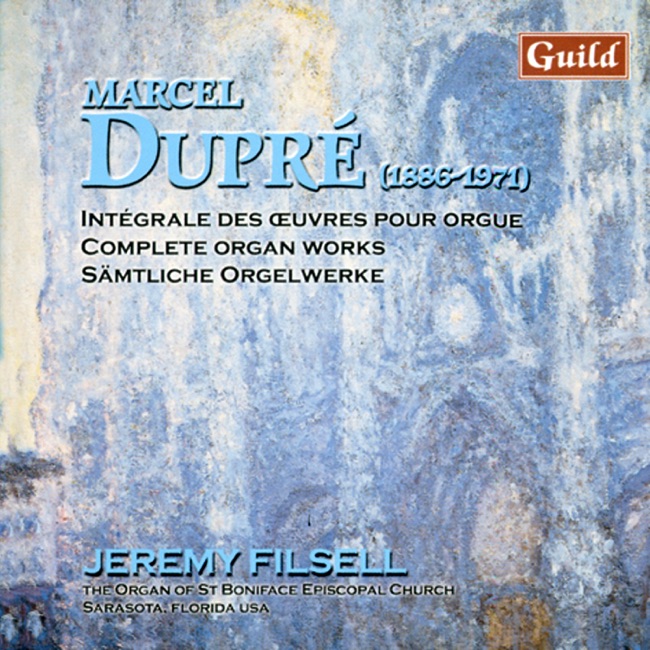
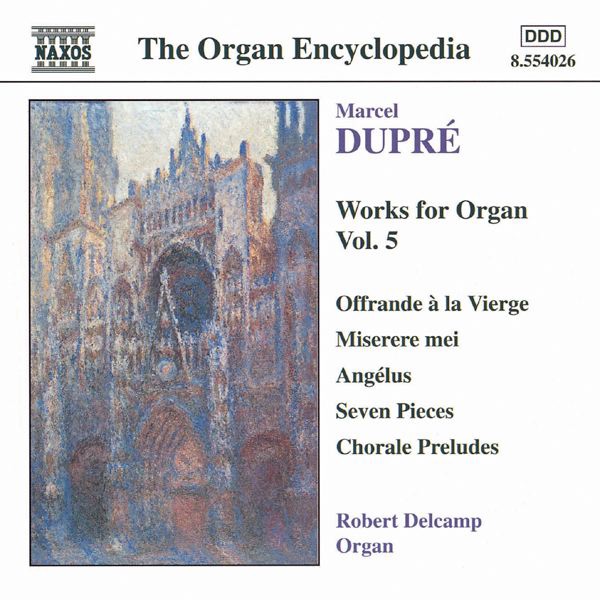
Works Info
Composer:Marcel DupréGenre:KeyboardStyle:KeyboardCompose Date:1949Average_duration:8:38Marcel Dupré's 'Miserere Mei, Op. 46' is a choral work that was composed in 1938. The piece was premiered on March 23, 1938, at the Church of Saint-Sulpice in Paris, France. The work is divided into three movements, each of which is characterized by its own unique musical style and structure. The first movement of 'Miserere Mei, Op. 46' is marked "Lento, molto espressivo" and is written in a homophonic style. The movement begins with a solemn and mournful melody sung by the choir, which is then repeated by the organ. The choir then sings a series of chords that gradually build in intensity, leading to a climax that is marked by a powerful chord progression. The movement ends with a return to the mournful melody that opened the piece. The second movement of 'Miserere Mei, Op. 46' is marked "Allegro moderato" and is written in a contrapuntal style. The movement begins with a lively and energetic melody played by the organ, which is then echoed by the choir. The choir then sings a series of complex harmonies that are interwoven with the organ's melody. The movement builds in intensity, with the choir and organ trading off melodies and harmonies, until it reaches a powerful climax. The movement ends with a return to the original melody played by the organ. The third and final movement of 'Miserere Mei, Op. 46' is marked "Lento, molto espressivo" and is written in a homophonic style. The movement begins with a mournful melody sung by the choir, which is then echoed by the organ. The choir then sings a series of chords that gradually build in intensity, leading to a climax that is marked by a powerful chord progression. The movement ends with a return to the mournful melody that opened the piece. Overall, 'Miserere Mei, Op. 46' is a powerful and emotional work that showcases Dupré's skill as a composer and his ability to create complex and intricate choral music. The piece is characterized by its use of homophonic and contrapuntal styles, as well as its use of complex harmonies and chord progressions. The work is a testament to Dupré's mastery of the organ and his ability to create music that is both beautiful and moving.More....
Works Music
Released Music