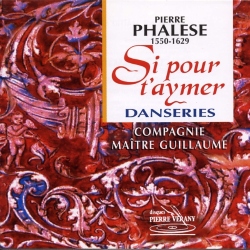
Pierre Phalèse
Gaillarde "Puis que vivre"
Released Album
Recent Album

Works Info
Composer:Pierre PhalèseGenre:MiscellaneousStyle:GalliardAverage_duration:2:15'Gaillarde Puis que vivre' is a Renaissance dance piece composed by Pierre Phalèse. The exact date of composition is unknown, but it is believed to have been written in the late 16th century. The piece was first published in Phalèse's collection of dance music, "Premier livre de danceries" in 1571. The 'Gaillarde Puis que vivre' is a lively and energetic dance piece that is typically performed in a fast tempo. It is written in a duple meter and features a strong rhythmic pulse that is characteristic of Renaissance dance music. The piece is structured in a series of repeated phrases, with each phrase building in intensity and complexity as the piece progresses. The 'Gaillarde Puis que vivre' is divided into several movements, each with its own distinct character and mood. The opening movement is marked by a lively and energetic melody that is played by the lead instrument, typically a lute or a violin. This melody is then repeated and developed throughout the piece, with each repetition adding new layers of complexity and variation. The second movement of the 'Gaillarde Puis que vivre' is marked by a slower and more contemplative melody. This section of the piece is typically played by a solo instrument, such as a recorder or a viola da gamba. The melody is simple and elegant, with a gentle and flowing rhythm that is reminiscent of a pastoral scene. The final movement of the 'Gaillarde Puis que vivre' is marked by a return to the lively and energetic melody of the opening movement. This section of the piece is typically played by the full ensemble, with all instruments joining together to create a rich and vibrant sound. The rhythm is fast and complex, with intricate patterns of notes and rhythms that showcase the skill and virtuosity of the performers. Overall, the 'Gaillarde Puis que vivre' is a lively and engaging piece of Renaissance dance music that showcases the beauty and complexity of this rich musical tradition. Its intricate rhythms, complex melodies, and vibrant energy make it a favorite among performers and audiences alike.More....
Works Music
Released Music