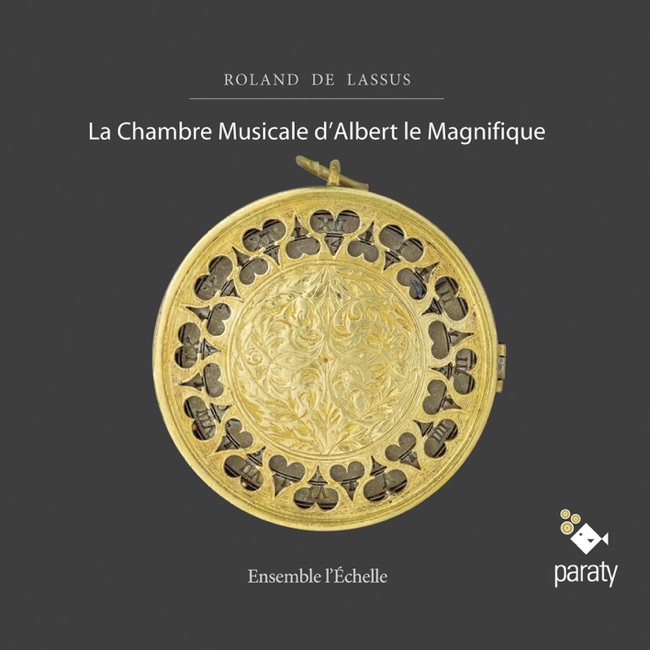
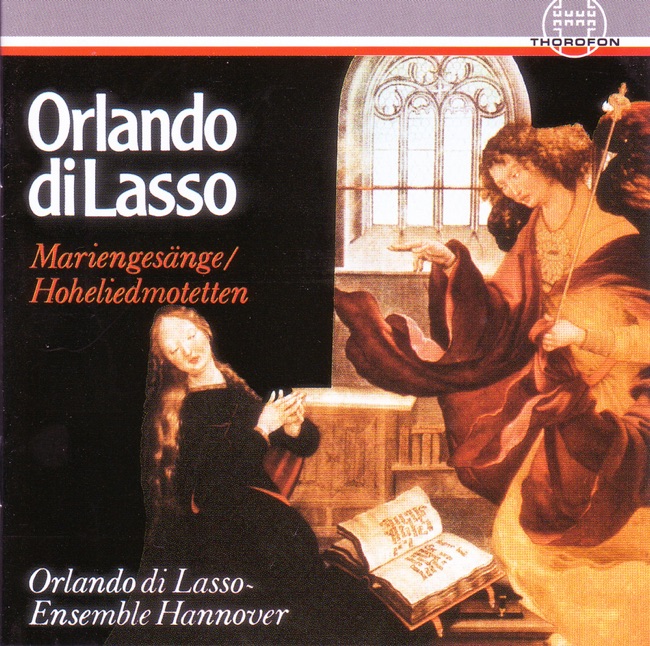
Orlande de Lassus
Missus est angelus, M. v (S. vii/16)
Released Album
Recent Album
Works Info
Composer:Orlande de LassusGenre:ChoralStyle:ChoralPublication Date:1565Average_duration:8:35Missus est angelus, M. v (S. vii/16) is a sacred motet composed by Orlande de Lassus, a prominent composer of the Renaissance period. The piece was composed in the late 16th century and premiered in Munich, Germany. It is a six-part motet, with each part sung by a different vocal range, including soprano, alto, tenor, baritone, bass, and contrabass. The motet is based on the biblical story of the Annunciation, where the angel Gabriel announces to Mary that she will give birth to Jesus. The text of the motet is in Latin and is taken from the Gospel of Luke. The piece is divided into three movements, each of which reflects a different aspect of the story. The first movement begins with a solo soprano voice singing the words "Missus est Gabriel angelus ad Mariam virginem" (The angel Gabriel was sent to the virgin Mary). The other voices then join in, creating a rich and complex texture. The movement is characterized by its use of imitative polyphony, where each voice takes turns singing the same melody. The second movement is more contemplative and focuses on Mary's response to the angel's message. The text is "Ave Maria, gratia plena, Dominus tecum" (Hail Mary, full of grace, the Lord is with you). The music is more subdued, with a slower tempo and a simpler texture. The voices blend together in a gentle and peaceful harmony. The final movement is more joyful and celebratory, reflecting the news of the impending birth of Jesus. The text is "Ecce ancilla Domini, fiat mihi secundum verbum tuum" (Behold the handmaid of the Lord, let it be done to me according to your word). The music is more lively, with a faster tempo and a more complex texture. The voices weave in and out of each other, creating a sense of excitement and anticipation. Overall, Missus est angelus, M. v (S. vii/16) is a beautiful and complex piece of music that reflects the religious themes and musical styles of the Renaissance period. Its use of polyphony, imitative counterpoint, and rich harmonies make it a masterpiece of choral music.More....
Works Music
Released Music