Heitor Villa-Lobos
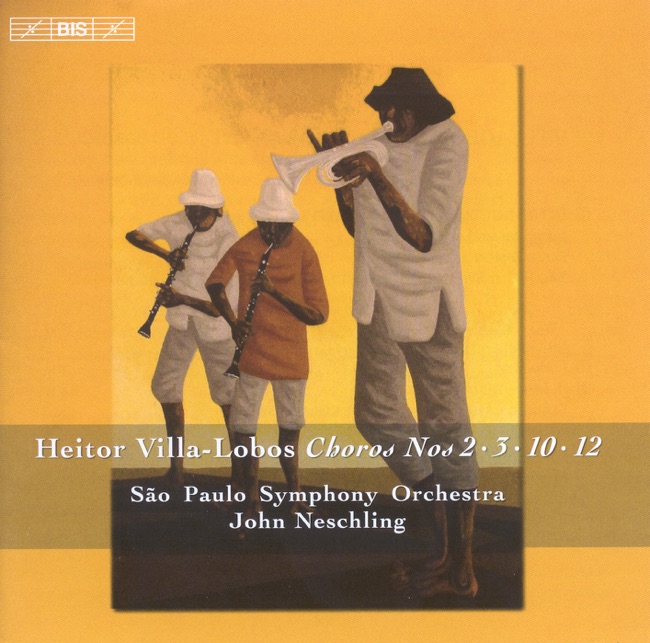
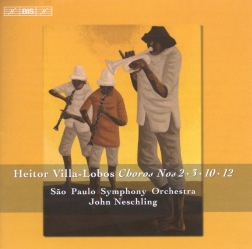
Chôros No. 2, A. 197
Released Album
Recent Album


Featured Album

Works Info
Composer:Heitor Villa-LobosGenre:ChamberStyle:DuetCompose Date:1924Average_duration:2:34Chôros No. 2, A. 197 is a piece of music composed by Heitor Villa-Lobos, a Brazilian composer, in 1924. The piece was premiered in Rio de Janeiro in the same year. It is a part of a series of fourteen works called Chôros, which Villa-Lobos composed between 1920 and 1929. The Chôros series is considered to be one of the most important contributions to Brazilian music in the 20th century. Chôros No. 2 is divided into three movements. The first movement is marked "Poco animato" and is characterized by a lively and rhythmic melody played by the flute and the clarinet. The second movement, marked "Lento," is a slow and melancholic piece that features a solo for the cello. The third movement, marked "Allegro," is a fast and energetic piece that brings the work to a thrilling conclusion. The piece is known for its use of Brazilian folk music elements, such as the use of the berimbau, a traditional Brazilian percussion instrument. Villa-Lobos also incorporates elements of European classical music, such as the use of counterpoint and complex harmonies. Chôros No. 2 is a challenging piece to perform, requiring a high level of technical skill from the performers. The piece is also known for its innovative use of instrumentation, with Villa-Lobos experimenting with different combinations of instruments to create unique and complex textures. Overall, Chôros No. 2 is a significant work in the history of Brazilian music, showcasing Villa-Lobos' unique style and his ability to blend traditional Brazilian music with European classical music. The piece remains popular among both performers and audiences today, and is considered to be one of Villa-Lobos' most important works.More....
Works Music
Released Music

7
2:54
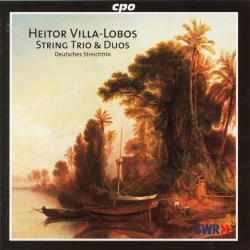

Featured Music