François Roberday
Fugue 11
Released Album
Recent Album
Works Info
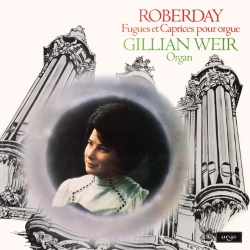
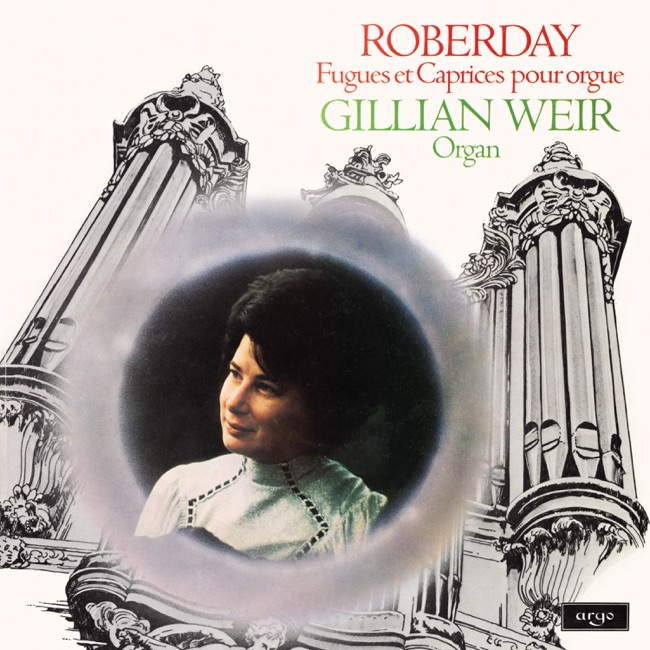
Composer:François RoberdayGenre:ChamberStyle:Chamber MusicAverage_duration:2:58François Roberday was a French Baroque composer and organist who lived from 1624 to 1680. He is known for his collection of organ music, "Fugues et Caprices," which was published in 1660. One of the most famous pieces from this collection is "Fugue 11." "Fugue 11" was composed in the mid-17th century and was first published in Roberday's "Fugues et Caprices." The piece is written for the organ and is a prime example of Baroque fugue writing. It is a four-voice fugue, which means that there are four separate melodic lines that are interwoven throughout the piece. The piece is divided into three movements. The first movement is the exposition, where each of the four voices presents the main theme of the fugue. The second movement is the development, where the composer takes the main theme and explores it in different ways, often through modulation to different keys. The final movement is the recapitulation, where the main theme is restated in each of the four voices. One of the characteristics of "Fugue 11" is its use of counterpoint. Counterpoint is the technique of combining two or more melodic lines in a way that is harmonically interesting and pleasing to the ear. Roberday uses counterpoint throughout the piece to create a complex and intricate texture. Another characteristic of the piece is its use of imitation. Imitation is the technique of repeating a melodic idea in a different voice. Roberday uses imitation extensively in "Fugue 11" to create a sense of unity and coherence throughout the piece. Overall, "Fugue 11" is a masterful example of Baroque fugue writing. Its use of counterpoint and imitation, as well as its three-movement structure, make it a timeless piece of music that is still studied and performed today.More....
Works Music
Released Music