Franz Joseph Haydn
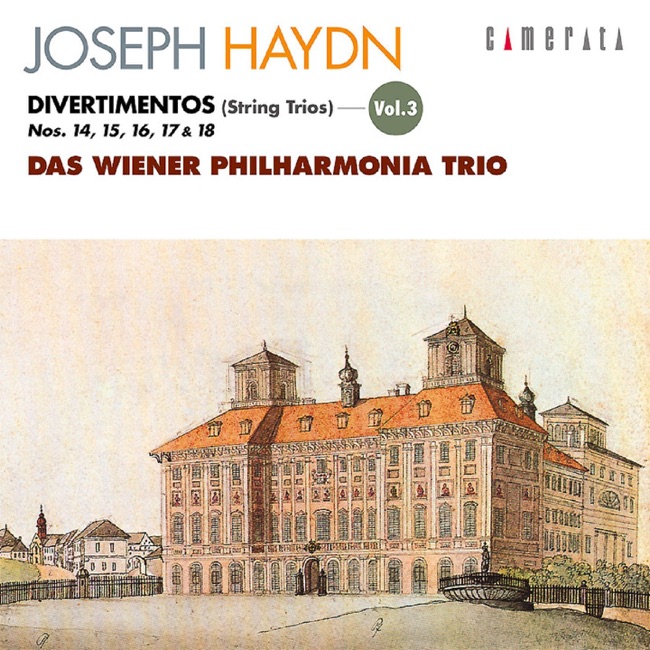
Trio for 2 violins & cello in C major, H. 5/16
Released Album
Recent Album
Works Info
Composer:Franz Joseph HaydnGenre:ChamberStyle:Chamber MusicCompose Date:before 1765Average_duration:16:13Movement_count:3Movement ....Franz Joseph Haydn's Trio for 2 violins & cello in C major, H. 5/16, also known as the "London Trio No. 1," was composed in 1794 during Haydn's second trip to London. The piece premiered on March 14, 1794, at the Hanover Square Rooms in London, with Haydn himself playing the piano part. The trio consists of three movements: 1. Allegro moderato - The first movement is in sonata form and begins with a lively and cheerful theme played by the two violins. The cello then joins in with a counter-melody, and the piano provides a steady accompaniment. The development section explores various themes and keys before returning to the main theme in the recapitulation. 2. Andante - The second movement is a slow and lyrical piece in A minor. The violins play a simple melody while the cello provides a pizzicato accompaniment. The piano joins in with a delicate and ornamented melody, creating a beautiful and serene atmosphere. 3. Finale: Vivace - The final movement is a fast and energetic piece in C major. The violins and cello play a lively and playful theme, with the piano providing a driving accompaniment. The movement features several sections with different themes and keys, showcasing Haydn's skill in creating complex and varied musical structures. The Trio for 2 violins & cello in C major is a prime example of Haydn's mastery of the classical style. The piece features clear and concise melodies, balanced harmonies, and a well-structured form. Haydn's use of counterpoint and thematic development is also evident throughout the piece. The trio is a testament to Haydn's ability to create music that is both technically impressive and emotionally engaging.More....
Works Music
Released Music