William Byrd
Plorans Ploravit
Released Album
Recent Album
Featured Album
Works Info
Composer:William ByrdGenre:ChoralStyle:MotetAverage_duration:5:00'Plorans Ploravit' is a sacred motet composed by William Byrd, an English composer of the Renaissance period. The piece was composed in the late 16th century, around 1590, during the reign of Queen Elizabeth I. It was first performed in the Chapel Royal, London, and was later published in Byrd's collection of Gradualia in 1605. The motet is written for five voices, with the text taken from the Book of Jeremiah in the Old Testament. The title 'Plorans Ploravit' translates to 'Weeping, she wept', and the text describes the lamentation of the prophet Jeremiah over the destruction of Jerusalem. The piece is divided into three movements, each with its own distinct character and mood. The first movement is marked 'Lento', and is characterized by a mournful and somber tone. The voices enter one by one, with the lower voices providing a rich and sonorous foundation for the upper voices to weave their intricate melodies. The text is set in a homophonic style, with all voices singing together in unison or in simple harmonies. The second movement is marked 'Allegro', and is a stark contrast to the first. The tempo is faster, and the mood is more hopeful and optimistic. The voices are more independent, with each voice part taking turns to sing the text. The harmonies are more complex, with dissonances and suspensions adding tension and drama to the music. The final movement is marked 'Adagio', and returns to the mournful and somber tone of the first. The voices sing in a more homophonic style, with the lower voices providing a steady pulse while the upper voices sing long, flowing melodies. The piece ends with a final, poignant chord, leaving the listener with a sense of sadness and loss. Overall, 'Plorans Ploravit' is a masterful example of Byrd's skill as a composer. The piece is rich in texture and harmony, and the use of different tempos and moods adds depth and complexity to the music. The text is set with great sensitivity and emotion, and the piece remains a powerful expression of grief and lamentation to this day.More....
Works Music
Released Music
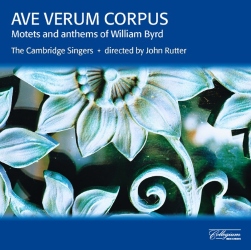
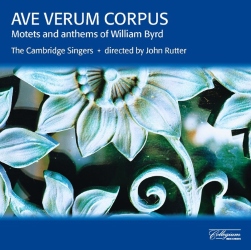
Featured Music