Giovanni Battista Fontana
Sonata No. 10 for violin, cello & continuo
Released Album
Recent Album
Works Info
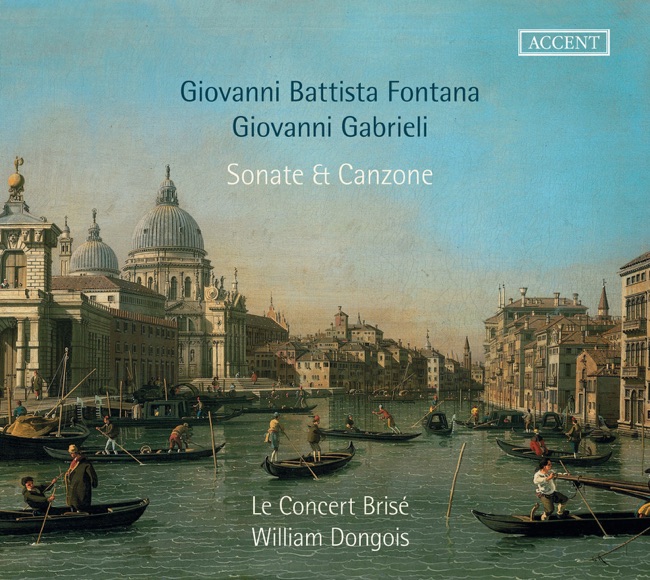
Composer:Giovanni Battista FontanaGenre:ChamberStyle:SonataAverage_duration:6:35Giovanni Battista Fontana's Sonata No. 10 for violin, cello & continuo is a Baroque chamber music piece that was composed in the early 17th century. The exact date of its composition is unknown, but it is believed to have been written between 1615 and 1620. The sonata is one of Fontana's most famous works and is considered a masterpiece of the Baroque era. The sonata is divided into four movements, each with its own unique characteristics. The first movement is a lively and energetic Allegro, characterized by its fast tempo and intricate violin and cello parts. The second movement is a slower Adagio, which features a more melodic and expressive violin solo accompanied by the cello and continuo. The third movement is a lively and dance-like Allegro, with a catchy and memorable melody that is passed between the violin and cello. The final movement is a fast and virtuosic Presto, which showcases the technical abilities of both the violin and cello players. One of the most notable characteristics of Sonata No. 10 is its use of the continuo, which is a type of accompaniment that was commonly used in Baroque music. The continuo is played by a keyboard instrument, such as a harpsichord or organ, and a bass instrument, such as a cello or bassoon. In this sonata, the continuo provides a harmonic foundation for the violin and cello parts, adding depth and richness to the overall sound. Another characteristic of Sonata No. 10 is its use of ornamentation, which was a common feature of Baroque music. Ornamentation refers to the embellishments and decorations that are added to the melody, such as trills, turns, and grace notes. Fontana's use of ornamentation in this sonata adds a sense of elegance and sophistication to the music, and also allows the performers to showcase their technical abilities. Sonata No. 10 for violin, cello & continuo premiered in the early 17th century, likely in Italy where Fontana was based. The sonata has since become a staple of the Baroque chamber music repertoire and is still performed and enjoyed by musicians and audiences today.More....
Works Music
Released Music