Giovanni Battista Viotti
Sonata for violin & continuo No. 4 in E major, G. 38, WV 10
Released Album
Recent Album
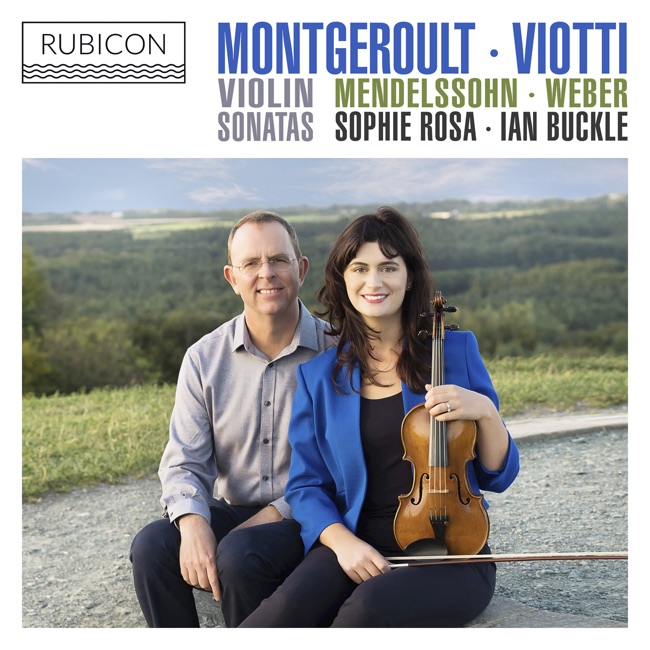
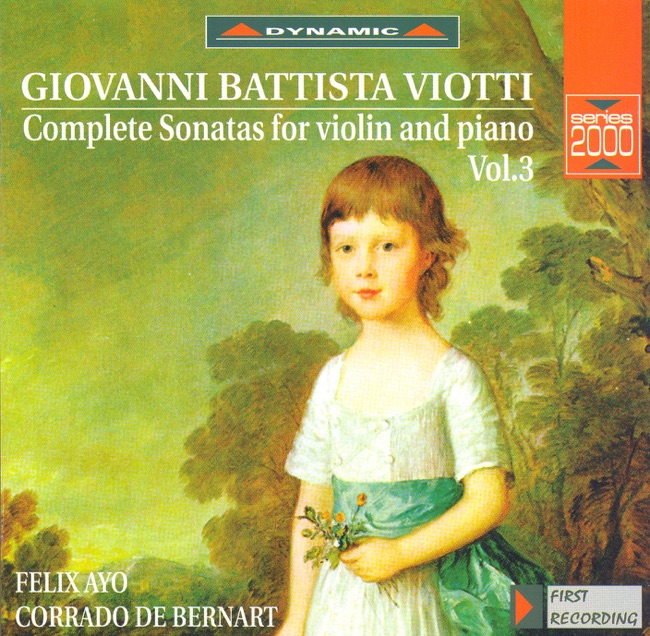
Works Info
Composer:Giovanni Battista ViottiGenre:ChamberStyle:Chamber MusicCompose Date:1792Giovanni Battista Viotti's Sonata for violin & continuo No. 4 in E major, G. 38, WV 10 was composed in the late 18th century. The exact date of composition is unknown, but it is believed to have been written between 1780 and 1782. The sonata was premiered in Paris, where Viotti was living at the time, and quickly became popular among violinists. The sonata consists of three movements: Allegro, Adagio, and Rondo. The first movement, Allegro, is in sonata form and begins with a lively and energetic theme played by the violin. The continuo provides a steady accompaniment throughout the movement, with occasional moments of interplay with the violin. The second movement, Adagio, is a slow and lyrical piece that showcases the violin's ability to sing and sustain long, expressive lines. The final movement, Rondo, is a lively and playful piece that features a recurring theme played by the violin and interspersed with episodes of contrasting material. Viotti's Sonata for violin & continuo No. 4 in E major is characterized by its virtuosic violin writing and its elegant and refined style. Viotti was known for his innovative approach to violin technique, and this sonata is no exception. The violin part is full of rapid runs, double stops, and other technical challenges that require a high level of skill from the performer. At the same time, Viotti's writing is always tasteful and never gratuitous, with each technical flourish serving a musical purpose. Overall, Viotti's Sonata for violin & continuo No. 4 in E major is a masterpiece of the late 18th-century violin repertoire. Its combination of technical virtuosity and musical elegance has made it a favorite among violinists for over two centuries.More....
Works Music
Released Music