Giacomo Carissimi
Hymnum jucunditatis cantemus
Released Album
Recent Album

Works Info
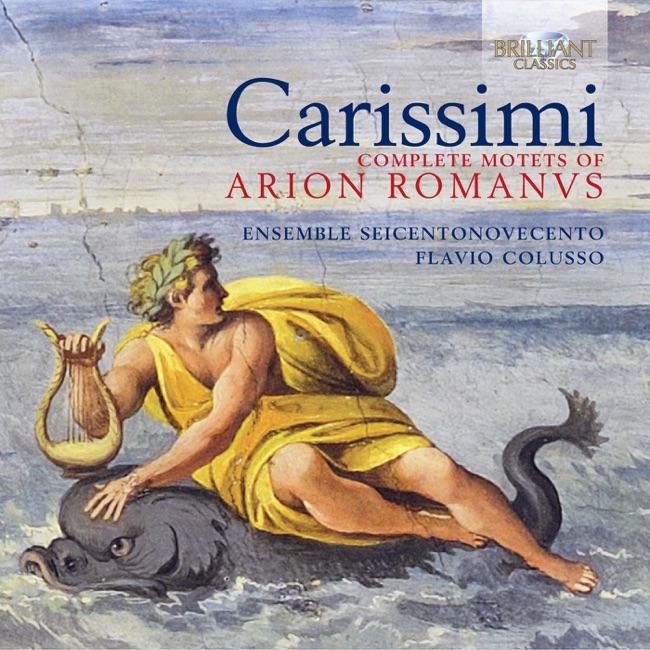
Composer:Giacomo CarissimiGenre:VocalStyle:Vocal MusicCompose Date:1645Average_duration:4:45Giacomo Carissimi was an Italian composer of the Baroque era, known for his sacred music and oratorios. One of his most famous works is the hymn "Hymnum jucunditatis cantemus," which was composed in the mid-17th century. The hymn is believed to have been composed around 1650, during Carissimi's time as maestro di cappella at the church of Sant'Apollinare in Rome. It is a sacred choral work, written for four voices (soprano, alto, tenor, and bass) and accompanied by basso continuo. The hymn is divided into three movements, each with its own distinct character. The first movement is a joyful and celebratory opening, with the choir singing in unison to praise God. The second movement is more contemplative, with the choir singing in a more subdued and introspective manner. The final movement returns to the joyful and celebratory tone of the opening, with the choir singing in harmony and praising God once again. The music of "Hymnum jucunditatis cantemus" is characterized by its use of polyphony, or the combination of multiple voices and melodies. Carissimi was known for his skill in writing polyphonic music, and this hymn is a prime example of his talent. The basso continuo provides a steady foundation for the choir, while the four voices weave in and out of each other, creating a rich and complex tapestry of sound. Overall, "Hymnum jucunditatis cantemus" is a beautiful and uplifting piece of sacred music, showcasing Carissimi's mastery of polyphony and his ability to create music that is both joyful and contemplative. It premiered in Rome in the mid-17th century and has since become a beloved piece of choral music, performed by choirs around the world.More....
Works Music
Released Music