Conrad Paumann
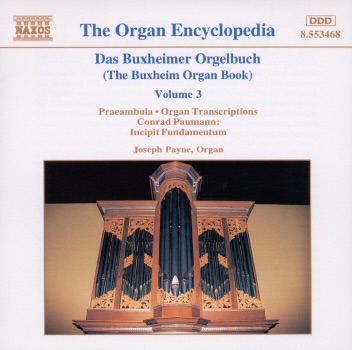
Incipit Fundamentum M.C.P.C. (189)
Released Album
Recent Album
Works Info
Composer:Conrad PaumannGenre:KeyboardStyle:KeyboardAverage_duration:28:14Incipit Fundamentum M.C.P.C. (189) is a composition by Conrad Paumann, a German composer and organist who lived in the 15th century. The piece was composed in the late 1400s and is considered one of Paumann's most significant works. It was premiered in Germany during the Renaissance period. The composition consists of three movements, each with its own unique characteristics. The first movement is a prelude, which sets the tone for the entire piece. It is characterized by its use of complex harmonies and intricate counterpoint. The second movement is a fugue, which is based on a single theme that is repeated throughout the piece. The fugue is notable for its use of imitation and its complex polyphonic texture. The final movement is a toccata, which is a virtuosic piece that showcases the performer's technical abilities. It is characterized by its fast tempo, intricate ornamentation, and use of pedal tones. One of the most notable characteristics of Incipit Fundamentum M.C.P.C. (189) is its use of chromaticism. Paumann was known for his innovative use of chromaticism, which was a relatively new technique at the time. Chromaticism involves the use of notes that are not part of the diatonic scale, which creates a sense of tension and dissonance. Paumann's use of chromaticism in this piece was groundbreaking and helped to pave the way for future composers. Another notable characteristic of the piece is its use of counterpoint. Counterpoint is the art of combining two or more melodic lines in a way that creates a harmonious whole. Paumann was a master of counterpoint, and this is evident in the intricate interplay between the different voices in the composition. Overall, Incipit Fundamentum M.C.P.C. (189) is a significant work in the history of Western classical music. It showcases Paumann's innovative use of chromaticism and his mastery of counterpoint. The piece is a testament to the creativity and technical skill of one of the most important composers of the Renaissance period.More....
Works Music