


Conrad Paumann
Released Album
Keyboard
-
 February 9, 2024
 -
 June 11, 2013
 -
 September 25, 2012
 -
 April 23, 1996
 -
 December 8, 1992
Vocal
-
 November 27, 2020
Choral
-
 June 21, 2005
Artist Info
Role:ComposerCountry: GermanyBirth:1410 in Nuremberg, GermanyDeath:January 24, 1473 in Munich, GermanyPeriod:RenaissanceGenre:KeyboardConrad Paumann was a German composer and organist who lived during the 15th century. He was born in Nuremberg, Germany, in the year 1410. Paumann was born blind, which made his musical achievements even more remarkable. Despite his disability, he became one of the most renowned musicians of his time. Paumann's musical talent was recognized at an early age, and he began his musical education at the age of seven. He was taught by the organist of the Nuremberg church, Heinrich Finck. Paumann quickly became a skilled organist and was soon appointed as the organist of the St. Sebaldus Church in Nuremberg. Paumann's musical career was not limited to playing the organ. He was also a composer and a teacher. He composed music for the organ, as well as for other instruments such as the lute and the harp. He was also known for his vocal compositions, which included motets and hymns. Paumann's compositions were highly regarded during his lifetime, and he was considered one of the most important composers of his time. His music was characterized by its complexity and its use of intricate harmonies. He was also known for his use of counterpoint, which was a technique that involved the interweaving of different melodies. One of Paumann's most famous compositions is his "Fantasia in A Minor." This piece is a solo organ work that is characterized by its complex harmonies and its use of counterpoint. The piece is considered one of the most important works of the early Renaissance period. Paumann's influence on music extended beyond his compositions. He was also a teacher, and he trained many of the most important musicians of his time. His students included the organist and composer Paul Hofhaimer, who went on to become one of the most important musicians of the early Renaissance period. Paumann's legacy continued long after his death. His compositions were still being performed and studied centuries after his death. His influence on music can still be felt today, and he is considered one of the most important composers of the early Renaissance period. In conclusion, Conrad Paumann was a remarkable musician who overcame his disability to become one of the most important composers and organists of his time. His compositions were highly regarded during his lifetime, and his influence on music can still be felt today. He was a true pioneer of the early Renaissance period, and his legacy continues to inspire musicians and composers around the world.More....
Recent Artist Music
1
1:39
2
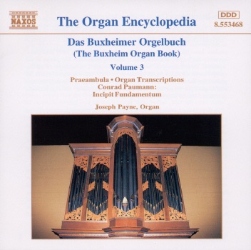
28:14



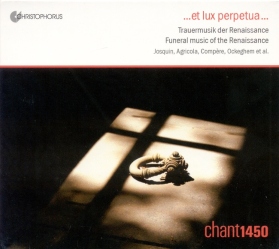
14
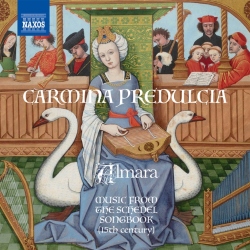
4:19
15
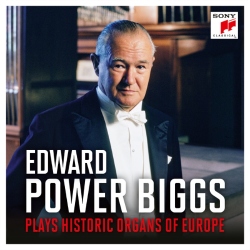
With all my heart I wish you
Mit ganczem Willen wünsch ich dir (from Fundamentum organisandi Magistri Conradi Paumanns Ceci de Nürenberga)
1:25
Copyright Ⓒ 2013 Davinci Finger. All rights reseved
Service Terms & Policy