Bohuslav Martinu
Rhythmic Études (7), H. 202
Released Album
Recent Album
Featured Album

Works Info
Composer:Bohuslav MartinuGenre:ChamberStyle:EtudeCompose Date:1931Publication Date:1932Average_duration:13:44Movement_count:7Movement ....Bohuslav Martinu's 'Rhythmic Études (7), H. 202' is a set of seven short pieces for piano, composed in 1930. The work was premiered in Paris in 1931 by the pianist Marcelle Meyer. The seven movements of the 'Rhythmic Études' are characterized by their rhythmic complexity and vitality. Each movement explores a different rhythmic pattern, ranging from the syncopated rhythms of the first movement to the irregular meters of the final movement. The first movement, marked 'Allegro moderato', features a lively, syncopated rhythm that is maintained throughout the piece. The second movement, 'Andante', is more lyrical in character, with a flowing melody set against a shifting rhythmic backdrop. The third movement, 'Allegro', is a playful scherzo that features rapid, staccato passages and sudden shifts in tempo. The fourth movement, 'Moderato', is more subdued, with a gentle, flowing melody that is punctuated by occasional bursts of energy. The fifth movement, 'Allegro', is a lively dance that features a driving, syncopated rhythm and virtuosic piano writing. The sixth movement, 'Andante', is a lyrical interlude that provides a moment of respite before the final movement. The seventh and final movement, 'Allegro', is the most complex and challenging of the set. It features irregular meters and constantly shifting rhythms, creating a sense of unpredictability and excitement. Overall, Martinu's 'Rhythmic Études' are a testament to his skill as a composer and his ability to create music that is both technically demanding and musically engaging. The work remains a popular choice for pianists looking to showcase their virtuosity and rhythmic precision.More....
Works Music
Released Music
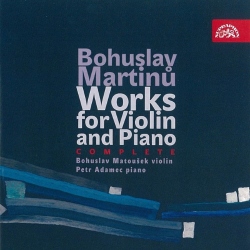

Featured Music