Buxheimer Orgelbuch Anonymous
J'ay pris amours (Das Buxheimer Orgelbuch, Folio 239)
Released Album
Recent Album
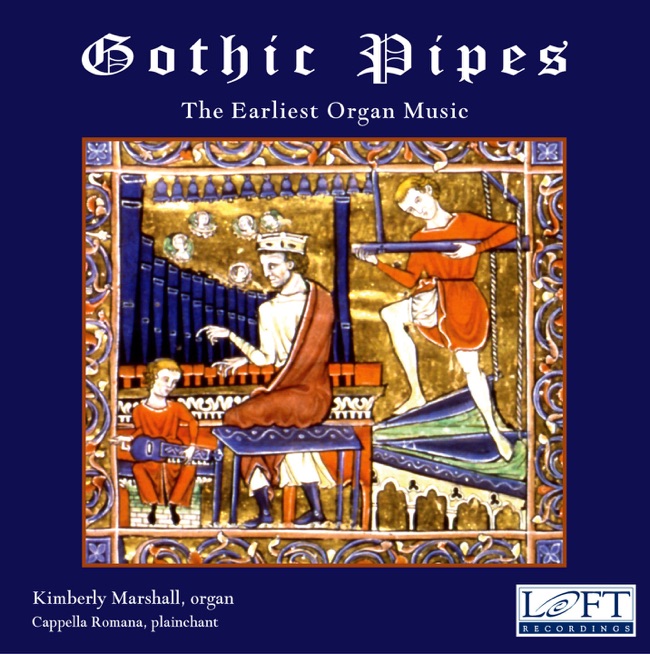
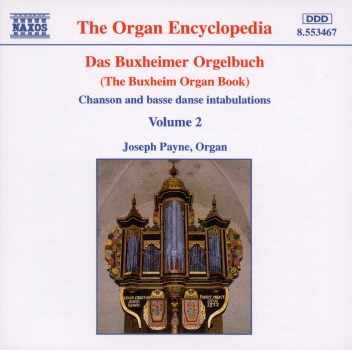
Works Info
Composer:Buxheimer Orgelbuch AnonymousGenre:KeyboardStyle:KeyboardAverage_duration:1:30'J'ay pris amours' is a composition found in the Buxheimer Orgelbuch, a manuscript collection of organ music from the early 15th century. The exact date of composition is unknown, but it is believed to have been written in the early 1400s. The piece is written in the Ars Nova style, which was popular in France and Italy during the 14th and 15th centuries. The premiere of 'J'ay pris amours' is also unknown, as the Buxheimer Orgelbuch was not intended for public performance. Instead, it was a collection of music for private use by organists and musicians. The manuscript was likely compiled by an anonymous organist or music lover in the region of Buxheim, Germany. 'J'ay pris amours' is a three-part composition, with each part played on a different manual of the organ. The first part is played on the lowest manual, the second on the middle manual, and the third on the highest manual. The piece is characterized by its use of syncopation and rhythmic complexity, which were hallmarks of the Ars Nova style. The first part of the piece begins with a lively and syncopated melody in the lower register of the organ. The melody is then repeated in the middle register, accompanied by a counterpoint in the upper register. The second part of the piece features a more subdued melody, played in the middle register of the organ. The melody is accompanied by a simple counterpoint in the lower register. The third part of the piece is the most complex, featuring a fast and intricate melody played in the upper register of the organ. The melody is accompanied by a counterpoint in the middle register, which is itself accompanied by a simple bass line in the lower register. The piece ends with a brief coda, in which the melody is played in unison across all three manuals of the organ. Overall, 'J'ay pris amours' is a lively and complex piece of organ music, typical of the Ars Nova style. Its use of syncopation and rhythmic complexity make it a challenging piece for organists to play, but also a rewarding one for those who master it.More....
Works Music