


Alessandro Stradella
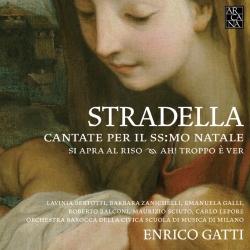
Ah! Troppo è Ver
Released Album
Recent Album
Works Info
Composer:Alessandro StradellaGenre:ChoralStyle:CantataCompose Date:ca. 1670Ah! Troppo è Ver is a vocal piece composed by Alessandro Stradella, an Italian composer of the Baroque era. The piece was composed in the mid-17th century and premiered in Rome, Italy. It is a solo cantata for soprano voice and continuo, consisting of three movements. The first movement of Ah! Troppo è Ver is marked as an adagio and is in the key of A minor. It begins with a slow and mournful introduction by the continuo, setting the tone for the piece. The soprano enters with a recitative, expressing the pain and sorrow of unrequited love. The vocal line is characterized by long, flowing phrases and expressive ornamentation, reflecting the emotional intensity of the text. The second movement is marked as an allegro and is in the key of F major. It is a lively and energetic aria, contrasting with the melancholic mood of the first movement. The soprano sings of the joy and happiness that love can bring, accompanied by a lively and playful continuo. The vocal line is characterized by rapid runs and trills, demonstrating the virtuosity of the singer. The final movement is marked as an adagio and is in the key of A minor. It returns to the mournful mood of the first movement, with the soprano expressing her despair and hopelessness. The vocal line is characterized by long, sustained notes and expressive ornamentation, conveying the depth of the singer's emotions. The piece ends with a final cadence in the minor key, emphasizing the tragic nature of the text. Overall, Ah! Troppo è Ver is a beautiful and expressive vocal piece, showcasing Stradella's skill as a composer and his ability to convey complex emotions through music. Its three movements provide a range of moods and emotions, from despair to joy, making it a powerful and moving work.More....
Works Music
Released Music
Main Perform Artists
Cello
Theorbo
Guitar, Lute
Harpsichord
Viola
Mezzo-Soprano (Vocal)
Cello
Baritone (Vocal)
Violin
Violin