José Maurício Nunes Garcia
Dies Sanctificatus
Released Album
Recent Album
Works Info
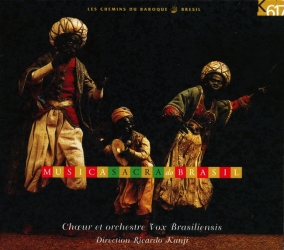
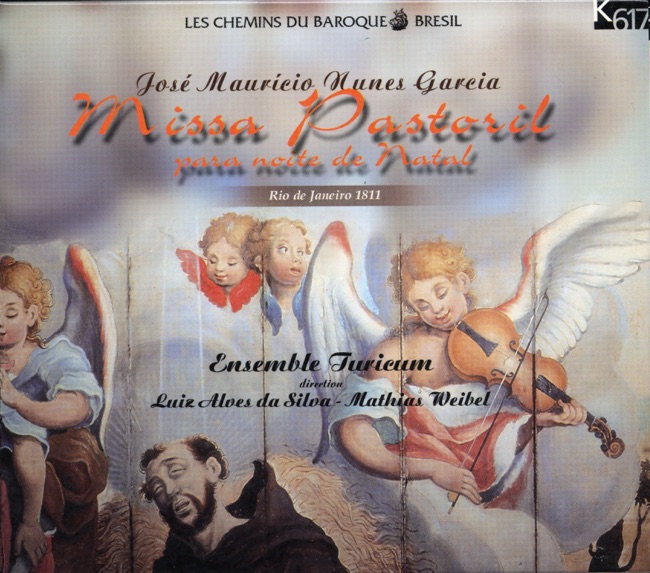
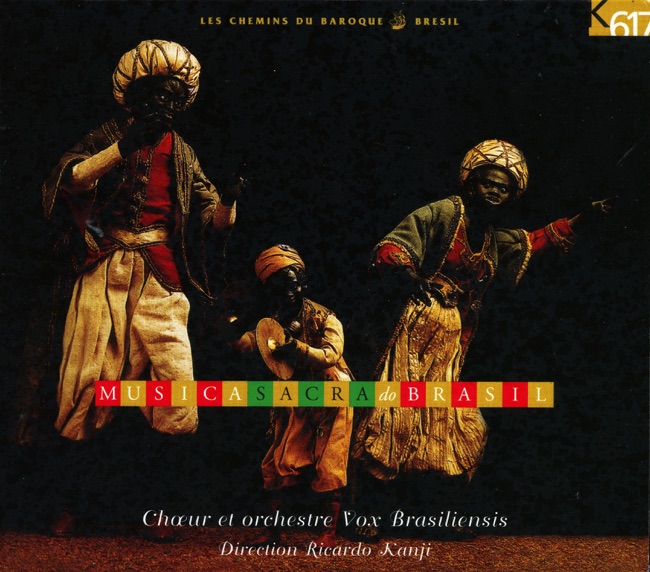
Composer:José Maurício Nunes GarciaGenre:ChoralStyle:ChoralAverage_duration:2:38'Dies Sanctificatus' is a sacred choral work composed by José Maurício Nunes Garcia, a Brazilian composer of the late 18th and early 19th centuries. The piece was composed in 1811 and premiered in Rio de Janeiro, Brazil. The work is divided into three movements, each with its own distinct character and musical style. The first movement, 'Dies Sanctificatus', is a solemn and majestic setting of the Latin text, which translates to "This is the holy day which the Lord has made; let us rejoice and be glad in it." The music is characterized by rich harmonies, soaring melodies, and a sense of grandeur and awe. The second movement, 'Laudate Dominum', is a joyful and exuberant setting of the text, which translates to "Praise the Lord, all you nations; praise him, all you peoples." The music is characterized by lively rhythms, bright harmonies, and a sense of celebration and praise. The final movement, 'Gloria Patri', is a triumphant and majestic setting of the text, which translates to "Glory be to the Father, and to the Son, and to the Holy Spirit." The music is characterized by bold harmonies, powerful rhythms, and a sense of triumph and glory. Overall, 'Dies Sanctificatus' is a masterful example of sacred choral music from the early 19th century. It showcases Nunes Garcia's skill as a composer, as well as his deep understanding of the liturgical texts and traditions of the Catholic Church. The work remains an important part of the choral repertoire to this day, and is frequently performed in churches and concert halls around the world.More....
Works Music
Released Music
1
2:36
2
2:32