Franz Schubert
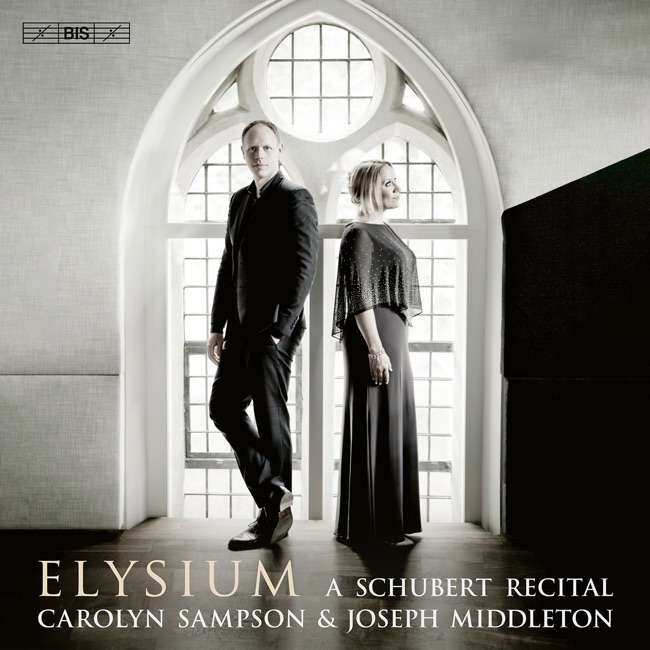
Elysium, D. 584
Released Album
Recent Album
Works Info
Composer:Franz SchubertGenre:VocalStyle:SongCompose Date:Sep 1817Average_duration:8:39Elysium, D. 584 is a choral work composed by Franz Schubert in 1826. The piece was premiered in Vienna on March 26, 1827, at a concert organized by the Gesellschaft der Musikfreunde. The work is divided into three movements and is scored for four-part mixed choir and piano accompaniment. The first movement, titled "Elysium," is a setting of a poem by Friedrich Schiller. The music is characterized by a flowing, lyrical melody in the choir, accompanied by a gentle, arpeggiated piano part. The harmonies are mostly diatonic, with occasional chromatic inflections that add a touch of color to the music. The overall mood of the movement is serene and contemplative, reflecting the peacefulness of the Elysian Fields. The second movement, titled "The Dance," is a lively and rhythmic setting of a poem by Johann Wolfgang von Goethe. The music is characterized by a driving, syncopated rhythm in the piano, which is echoed by the choir in a series of lively, dance-like melodies. The harmonies are more complex than in the first movement, with frequent modulations and chromatic inflections that add a sense of excitement and energy to the music. The overall mood of the movement is joyful and celebratory, reflecting the exuberance of the dance. The third movement, titled "The Song of the Spirits over the Waters," is a setting of a poem by Goethe. The music is characterized by a hauntingly beautiful melody in the choir, accompanied by a shimmering, ethereal piano part. The harmonies are mostly diatonic, with occasional chromatic inflections that add a touch of mystery and otherworldliness to the music. The overall mood of the movement is mystical and transcendent, reflecting the spiritual nature of the text. Overall, Elysium, D. 584 is a beautiful and evocative choral work that showcases Schubert's gift for melody and harmony. The music is characterized by a sense of serenity, joy, and transcendence, reflecting the themes of the poems that inspired it. The work remains a beloved part of the choral repertoire to this day.More....
Works Music
Released Music