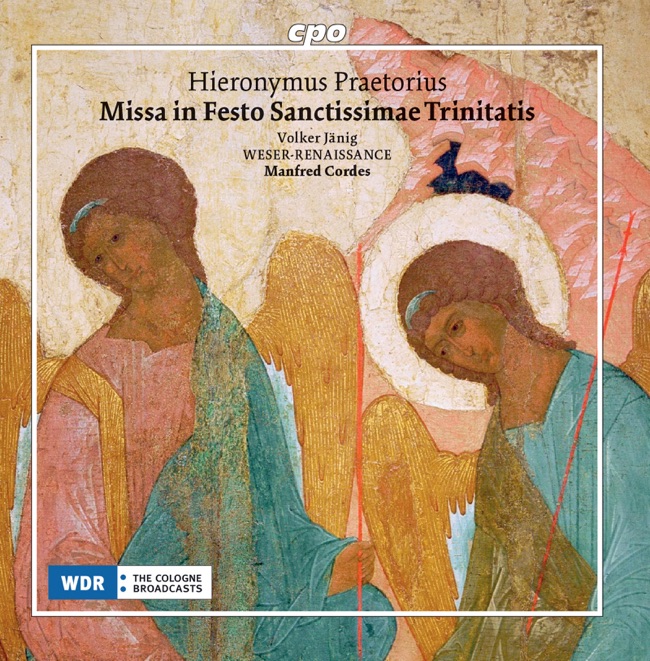
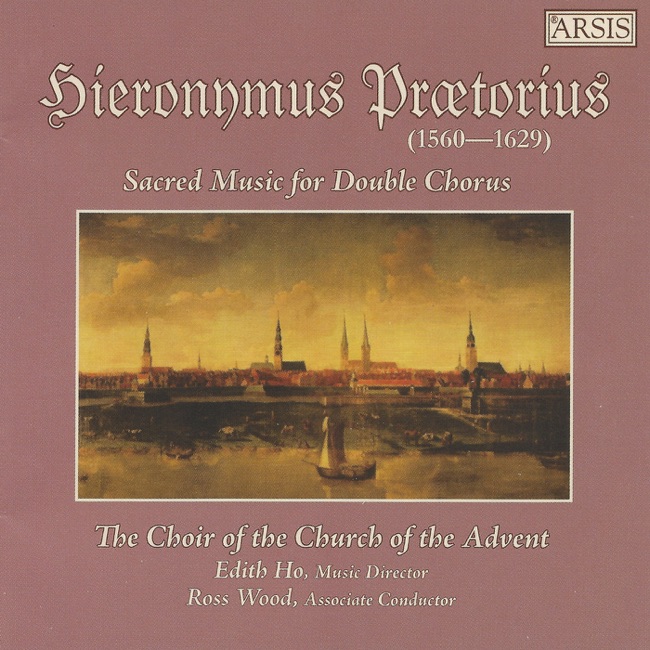
Hieronymus Praetorius
Te Deum Patrem ingenitum
Released Album
Recent Album
Works Info
Composer:Hieronymus PraetoriusGenre:ChoralStyle:ChoralAverage_duration:4:08Hieronymus Praetorius was a German composer and organist who lived from 1560 to 1629. He was a member of a famous musical family, which included his father Jacob Praetorius and his cousin Michael Praetorius. Hieronymus Praetorius composed a number of works for the church, including his Te Deum Patrem ingenitum. The Te Deum Patrem ingenitum is a sacred choral work that was composed in the late 16th century. It is a setting of the Te Deum, which is a hymn of praise that is traditionally sung in the Christian church. The Te Deum Patrem ingenitum is written for four-part choir and is scored for SATB (soprano, alto, tenor, and bass) voices. The Te Deum Patrem ingenitum is divided into six movements, each of which corresponds to a different section of the Te Deum hymn. The first movement is an opening chorus that sets the tone for the entire work. It is followed by a series of solo and choral movements that explore different aspects of the hymn, including the praise of God, the recognition of Christ as the savior, and the hope of eternal life. One of the characteristics of the Te Deum Patrem ingenitum is its use of polyphony. Praetorius was known for his skill in writing polyphonic music, which is music that features multiple independent voices that are woven together to create a complex and harmonious whole. The Te Deum Patrem ingenitum is a prime example of Praetorius's mastery of polyphony, with each voice part contributing to the overall texture of the work. Another characteristic of the Te Deum Patrem ingenitum is its use of counterpoint. Counterpoint is a technique in which two or more melodic lines are played or sung simultaneously, creating a complex and intricate musical texture. Praetorius was a master of counterpoint, and the Te Deum Patrem ingenitum features many examples of this technique. The Te Deum Patrem ingenitum premiered in the late 16th century, and it has since become a beloved piece of sacred choral music. Its intricate polyphony and use of counterpoint make it a challenging work for choirs to perform, but its beauty and power make it a rewarding experience for both performers and audiences alike.More....
Works Music
Released Music