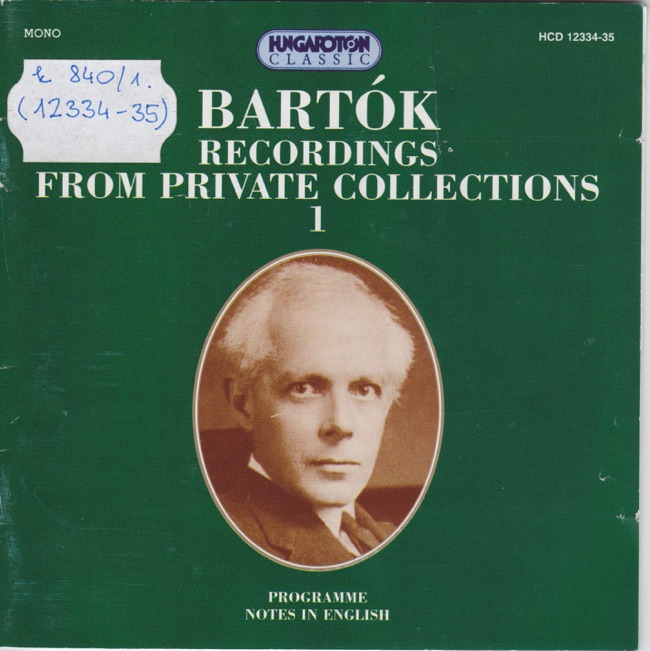
Béla Bartók
From the Island of Bali, Sz.107/4/109
Released Album
Recent Album
Works Info
Composer:Béla BartókGenre:KeyboardStyle:Character PieceCompose Date:1926 - 1939Average_duration:1:46"From the Island of Bali" is a composition by Hungarian composer Béla Bartók, which was composed between 1936 and 1938. The piece was premiered in 1940 in New York City, with Bartók himself conducting the performance. The composition is divided into three movements, each of which is characterized by its use of Balinese gamelan music. The first movement, titled "The Golden Fish," is a lively and energetic piece that features intricate rhythms and complex interlocking melodies. The music is based on a Balinese dance form known as kecak, which is traditionally performed by a large group of men who chant and move in unison. Bartók's version of the kecak features a solo violin that weaves in and out of the intricate rhythms and melodies of the gamelan ensemble. The second movement, titled "Through the Forest," is a slower and more contemplative piece that features a solo flute and a small ensemble of gamelan instruments. The music is based on a Balinese lullaby, and Bartók's arrangement emphasizes the delicate and ethereal qualities of the original melody. The final movement, titled "The Sea," is a dramatic and powerful piece that features the full gamelan ensemble. The music is based on a Balinese ritual dance known as barong, which is traditionally performed to ward off evil spirits. Bartók's version of the barong features a driving rhythm and a complex interplay of melodies and harmonies that build to a thrilling climax. Overall, "From the Island of Bali" is a fascinating and innovative work that showcases Bartók's skill as a composer and his deep appreciation for the music of other cultures. The piece is notable for its use of Balinese gamelan music, which Bartók studied extensively during his travels in Southeast Asia. Through his careful arrangements and adaptations of traditional Balinese music, Bartók created a work that is both deeply rooted in its cultural context and uniquely his own.More....
Works Music