


Philip Glass
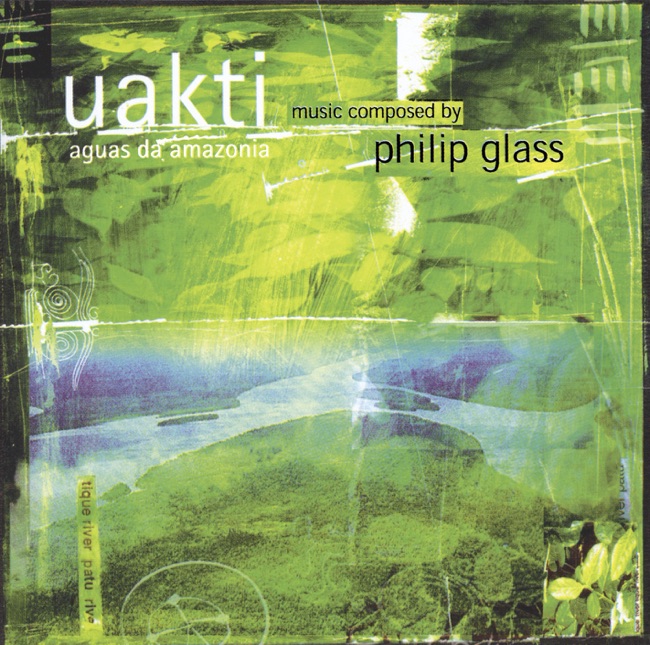
12 Pieces for Ballet "Aguas da Amazonia"
Released Album
Recent Album
Featured Album

Works Info
Composer:Philip GlassGenre:BalletStyle:BalletCompose Date:1993"12 Pieces for Ballet Aguas da Amazonia" is a ballet composed by Philip Glass in 2016. The ballet is inspired by the Amazon River and its surrounding rainforest. The music is divided into twelve movements, each representing a different aspect of the Amazonian ecosystem. The ballet premiered on March 31, 2017, at the Teatro Amazonas in Manaus, Brazil. The choreography was created by Brazilian choreographer Rodrigo Pederneiras, who is known for his work with the dance company Grupo Corpo. The first movement, "Amazon River," sets the tone for the ballet with its flowing, rhythmic melody. The second movement, "Vitoria Regia," is named after the giant water lily that is native to the Amazon. The music is light and airy, evoking the delicate beauty of the flower. The third movement, "Uirapuru," is named after a bird that is known for its beautiful song. The music is playful and energetic, reflecting the bird's lively nature. The fourth movement, "Japurá River," is named after a tributary of the Amazon. The music is slow and contemplative, evoking the peacefulness of the river. The fifth movement, "Yara," is named after a mythological figure in Brazilian folklore. The music is mysterious and haunting, reflecting the legend of the beautiful but dangerous water spirit. The sixth movement, "Meeting of the Waters," is named after the point where the Amazon and Negro rivers meet. The music is dramatic and powerful, reflecting the force of the two rivers coming together. The seventh movement, "Marajo," is named after an island in the Amazon delta. The music is lively and upbeat, reflecting the island's vibrant culture. The eighth movement, "Boi Bumba," is named after a popular Brazilian folk festival. The music is festive and celebratory, evoking the joyous spirit of the festival. The ninth movement, "Forest," is named after the Amazon rainforest. The music is dense and complex, reflecting the richness and diversity of the ecosystem. The tenth movement, "Capibara," is named after the largest rodent in the world, which is native to the Amazon. The music is playful and lighthearted, reflecting the capibara's gentle nature. The eleventh movement, "Tamba-Tajá," is named after a type of palm tree that is native to the Amazon. The music is slow and meditative, evoking the peacefulness of the forest. The twelfth and final movement, "Amazônia," brings the ballet to a close with a grand, sweeping melody that celebrates the beauty and majesty of the Amazon. Overall, "12 Pieces for Ballet Aguas da Amazonia" is a stunning tribute to the Amazon and its rich cultural and ecological heritage. The music is both complex and accessible, with Glass's signature minimalist style blending seamlessly with Brazilian rhythms and melodies. The choreography is equally impressive, with Pederneiras's fluid, dynamic movements bringing the music to life on stage.More....
Works Music
Released Music
Featured Music
7
4:25

Recommend Playlist



Main Perform Artists
Percussion
Percussion
Percussion
Percussion