Tomás Luis de Victoria
Missa Simile est regnum coelorum
Released Album
Recent Album
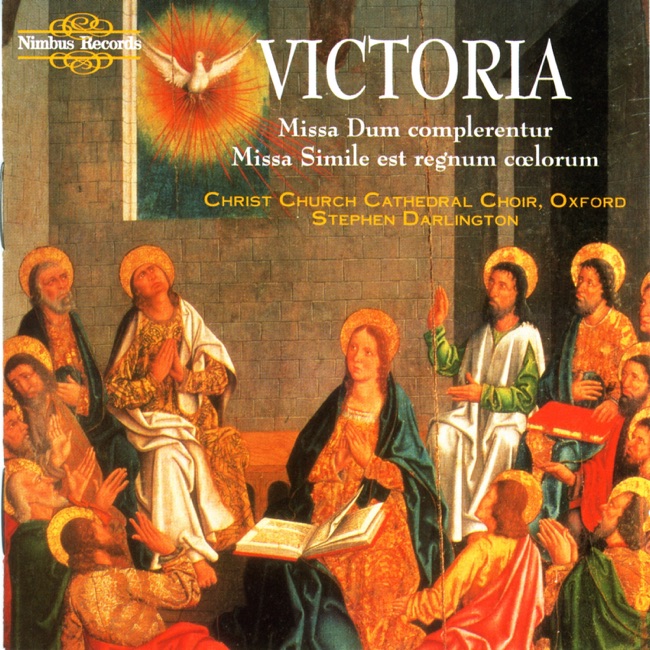
Works Info
Composer:Tomás Luis de VictoriaGenre:ChoralStyle:MassPublication Date:1576Average_duration:23:29Tomás Luis de Victoria was a Spanish composer of the Renaissance period, known for his sacred choral music. One of his most famous works is the 'Missa Simile est regnum coelorum', which was composed in the late 16th century. The 'Missa Simile est regnum coelorum' is a six-part mass, written for two choirs. It is based on the Gospel of Matthew, where Jesus compares the kingdom of heaven to a king who gave a wedding feast for his son. The mass is divided into six movements: Kyrie, Gloria, Credo, Sanctus, Benedictus, and Agnus Dei. The Kyrie is a solemn and introspective movement, with the choir singing in a homophonic style. The Gloria is a joyful and exuberant movement, with the choir alternating between homophonic and polyphonic textures. The Credo is a complex movement, with the choir singing in a variety of textures and harmonies. The Sanctus is a majestic movement, with the choir singing in a polyphonic style. The Benedictus is a peaceful and contemplative movement, with the choir singing in a homophonic style. The Agnus Dei is a solemn and introspective movement, with the choir singing in a homophonic style. The 'Missa Simile est regnum coelorum' premiered in Rome in the late 16th century, and quickly became popular throughout Europe. It is known for its intricate polyphonic textures, rich harmonies, and expressive melodies. The mass is also notable for its use of chromaticism, which was a relatively new technique at the time. Overall, the 'Missa Simile est regnum coelorum' is a masterpiece of Renaissance choral music, and a testament to Tomás Luis de Victoria's skill as a composer. Its enduring popularity is a testament to its timeless beauty and emotional power.More....
Works Music
Released Music