Johann Pachelbel
Wie nichtig? ach, T. 448
Released Album
Recent Album
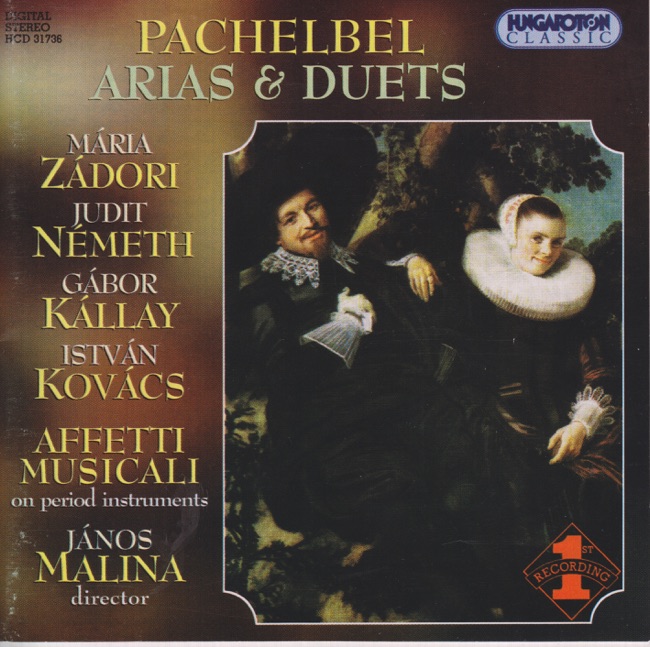
Featured Album
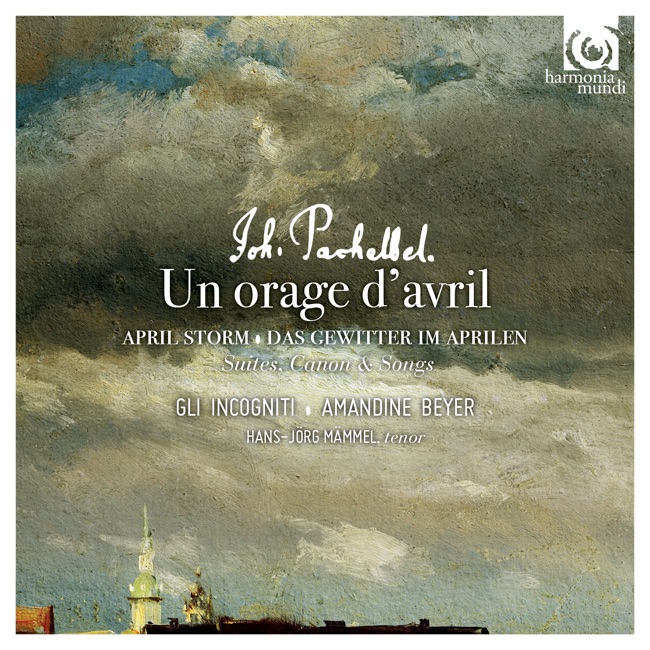
Works Info
Composer:Johann PachelbelGenre:ChoralStyle:ChoralCompose Date:before Apr 1706Average_duration:9:50Johann Pachelbel was a German composer and organist of the Baroque era. He is best known for his Canon in D, but he also composed many other works, including sacred vocal music. One of these works is "Wie nichtig? ach, T. 448," a sacred cantata for soprano, bass, and continuo. The cantata was composed in the late 17th century, although the exact date is unknown. It was likely written for a church service or other religious occasion. The text is based on Psalm 39, which reflects on the fleeting nature of human life and the need for God's mercy and guidance. The cantata is divided into three movements. The first movement is a recitative for the bass soloist, who sings the opening words of the psalm: "Wie nichtig, ach, wie flüchtig ist der Menschen Leben!" ("How fleeting and insignificant is human life!"). The music is somber and reflective, with the continuo providing a steady, mournful accompaniment. The second movement is an aria for the soprano soloist, who sings a prayer for God's mercy and guidance: "Herr, lehre doch mich, dass ein Ende mit mir haben muss" ("Lord, teach me that my life must come to an end"). The music is more hopeful and uplifting than the first movement, with the soprano's voice soaring over a lively continuo accompaniment. The final movement is a duet for the soprano and bass soloists, who sing a dialogue about the transience of human life and the need for God's mercy. The music is more complex and contrapuntal than the previous movements, with the two voices intertwining and overlapping in a beautiful and intricate way. Overall, "Wie nichtig? ach, T. 448" is a beautiful and poignant work that reflects on the fleeting nature of human life and the need for God's mercy and guidance. Pachelbel's music is sensitive and expressive, with a deep understanding of the text and its meaning.More....
Works Music