Arthur Honegger
Chansons pour voix grave (4), H. 184
Released Album
Recent Album
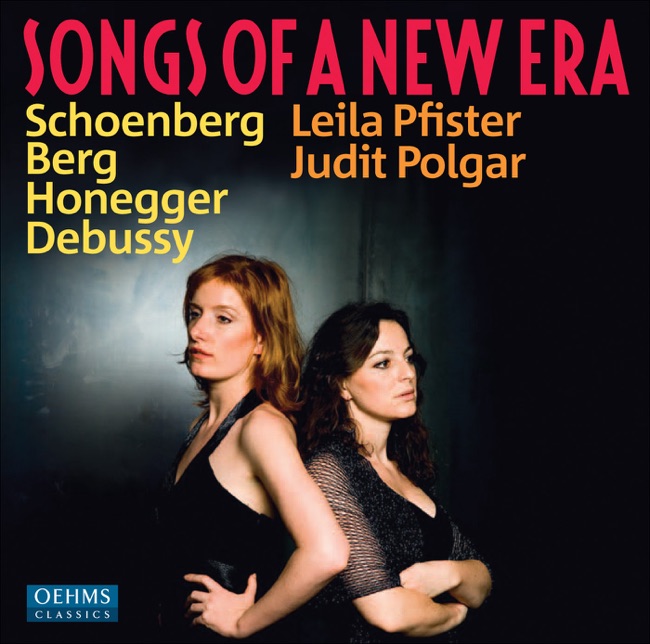
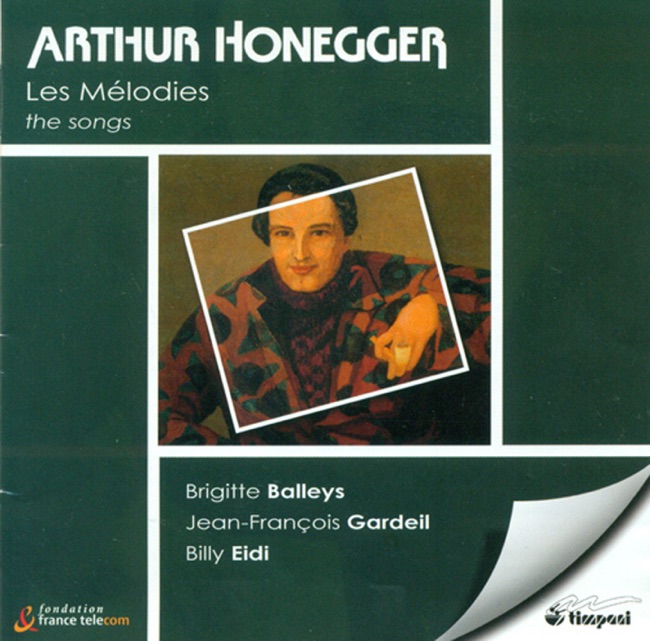
Works Info
Composer:Arthur HoneggerGenre:VocalStyle:ChansonCompose Date:1940 - 1945Publication Date:1947Average_duration:4:57Movement_count:4Movement ....Arthur Honegger's 'Chansons pour voix grave (4), H. 184' is a song cycle composed for a low voice and piano. The work was composed in 1938 and premiered in Paris the same year. The cycle consists of four movements, each with its own unique characteristics. The first movement, 'Le Couteau,' is a dark and brooding piece that features a slow and deliberate piano accompaniment. The vocal line is equally somber, with the singer delivering the text in a low and mournful tone. The lyrics describe a knife that is used to cut through the darkness, a metaphor for the power of music to bring light to the world. The second movement, 'Le Front,' is a more upbeat and energetic piece that features a lively piano accompaniment. The vocal line is more melodic and expressive, with the singer delivering the text in a more animated and passionate manner. The lyrics describe the horrors of war and the bravery of soldiers who fight for their country. The third movement, 'La Belle Dame sans Merci,' is a haunting and ethereal piece that features a delicate piano accompaniment. The vocal line is soft and gentle, with the singer delivering the text in a hushed and dreamlike manner. The lyrics describe a beautiful woman who lures men to their doom, a metaphor for the dangers of temptation and desire. The final movement, 'Le Mendiant,' is a somber and reflective piece that features a slow and mournful piano accompaniment. The vocal line is low and contemplative, with the singer delivering the text in a pensive and introspective manner. The lyrics describe a beggar who wanders the streets, a metaphor for the struggles and hardships of life. Overall, 'Chansons pour voix grave (4), H. 184' is a powerful and evocative work that showcases Honegger's skill as a composer. The cycle is characterized by its dark and brooding tone, its expressive and melodic vocal lines, and its haunting and ethereal piano accompaniments. It remains a popular work in the classical repertoire and is frequently performed by singers and pianists around the world.More....
Works Music
Released Music