


Georgi Lvovich Catoire
Sonata for violin & piano No. 2 in D major, "Poema," Op. 20
Released Album
Recent Album
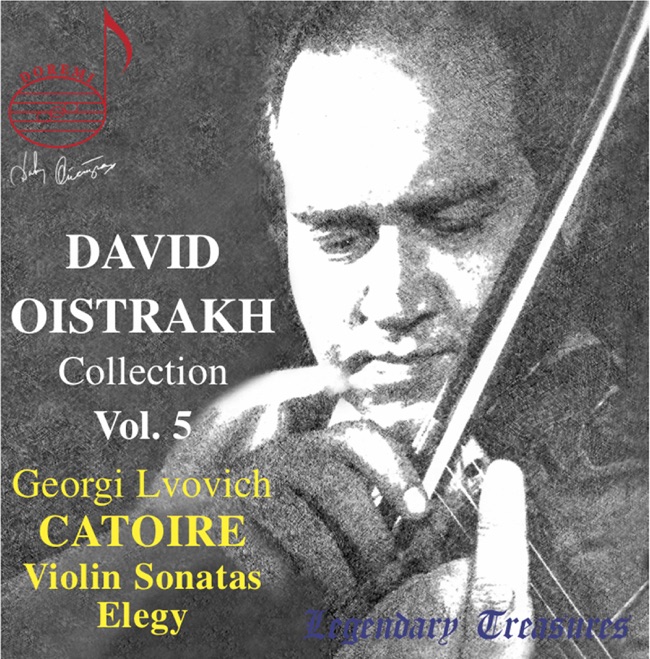
Works Info
Composer:Georgi Lvovich CatoireGenre:ChamberStyle:SonataAverage_duration:20:41Georgi Lvovich Catoire's Sonata for violin & piano No. 2 in D major, Poema, Op. 20, was composed in 1912 and premiered in Moscow in the same year. The sonata is divided into three movements: Allegro moderato, Adagio, and Allegro con fuoco. The first movement, Allegro moderato, begins with a lyrical and expressive violin melody, which is then taken up by the piano. The movement is characterized by its use of rich harmonies and lush textures, as well as its frequent use of chromaticism. The second theme is more rhythmic and energetic, with the violin and piano trading off melodic lines. The movement ends with a return to the opening theme, which is now more elaborate and virtuosic. The second movement, Adagio, is a slow and introspective piece that showcases the expressive capabilities of both the violin and piano. The violin begins with a mournful melody, which is then echoed by the piano. The movement is characterized by its use of long, sustained notes and its frequent use of rubato. The middle section of the movement features a more agitated and dissonant theme, which is then resolved back into the opening melody. The final movement, Allegro con fuoco, is a lively and energetic piece that showcases the virtuosic capabilities of both the violin and piano. The movement is characterized by its use of fast, intricate runs and its frequent use of syncopation. The middle section of the movement features a more lyrical and expressive theme, which is then developed into a more virtuosic and energetic section. The movement ends with a return to the opening theme, which is now more elaborate and virtuosic. Overall, Catoire's Sonata for violin & piano No. 2 in D major, Poema, Op. 20, is a highly expressive and virtuosic work that showcases the composer's skill in both melody and harmony. The sonata is characterized by its use of rich harmonies, lush textures, and frequent use of chromaticism, as well as its expressive and virtuosic violin and piano parts.More....
Works Music
Released Music
1
21:20
2
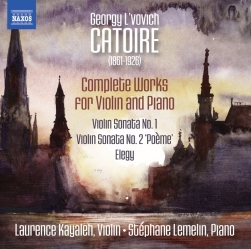
Sonata for violin & piano No. 2 in D major, "Poem," Op. 20
Sonata No. 2 in D major, Op. 20 'Poème'
19:51
3
22:51
4
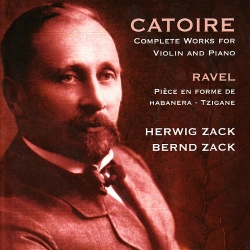
20:55
5
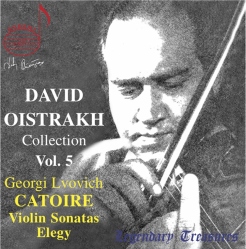
20:27