


Georgi Lvovich Catoire
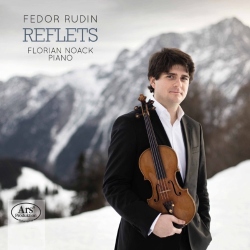
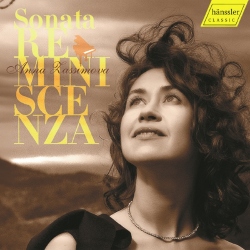
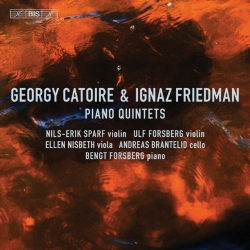
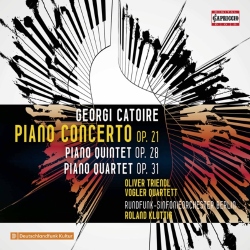
Released Album
Chamber
-
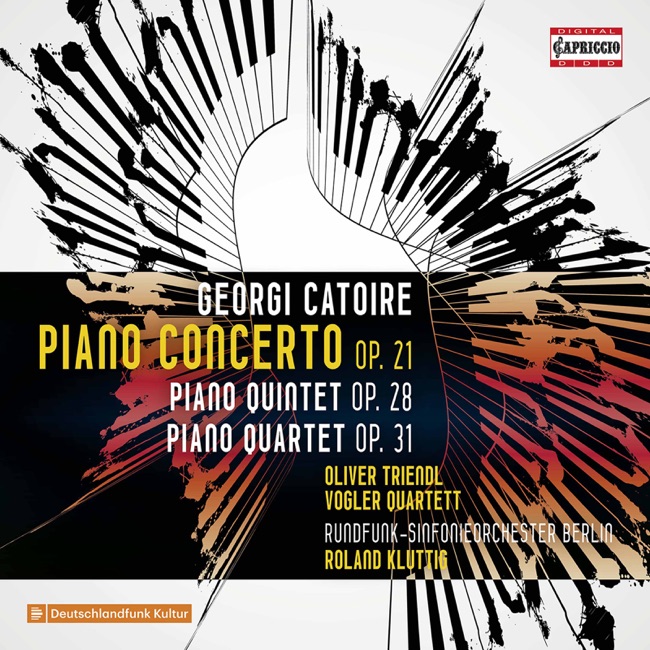
-
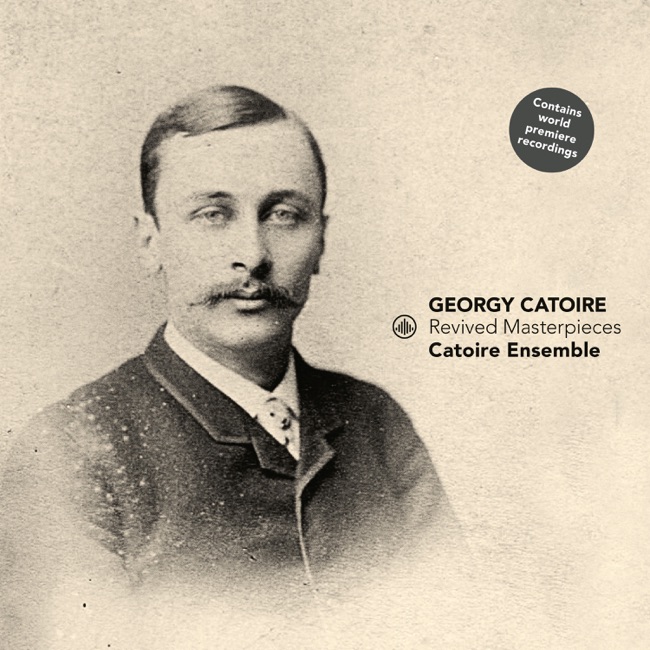 May 15, 2020
 -
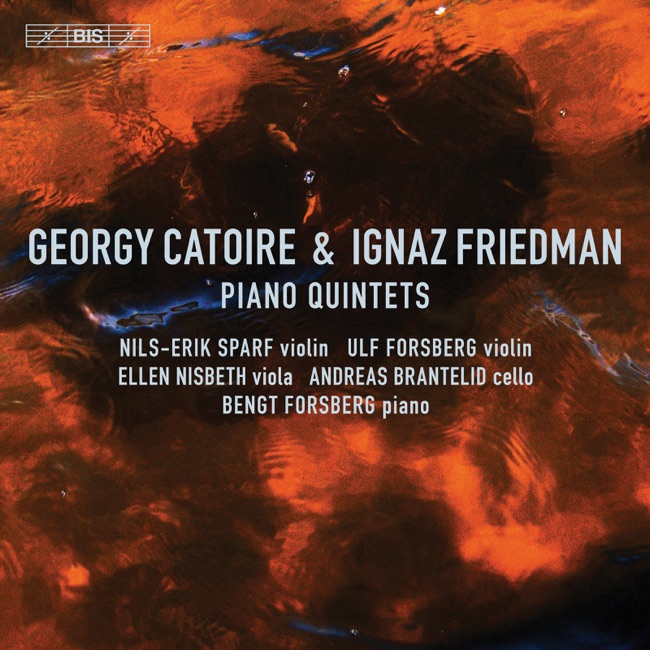 April 5, 2019
 -
 August 18, 2017
 -
 August 4, 2017
 -
Keyboard
-
 August 17, 2018
 -
 July 24, 2009
Concerto
-
 May 1, 2012
Vocal
-
 August 5, 2013
Artist Info
Role:ComposerCountry: RussiaBirth:April 27, 1861 in Moscow, RussiaDeath:May 21, 1926 in Moscow, RussiaPeriod:RomanticGenre:ChamberKeyboardGeorgi Lvovich Catoire was a Russian composer and pianist who lived from 1861 to 1926. He was born in Moscow to a family of musicians, and his father was a well-known cellist. Catoire began his musical education at a young age, studying piano with his mother and later with Nikolai Rubinstein. He also studied composition with Anton Arensky and Sergei Taneyev. Catoire's early works were heavily influenced by the Romantic composers of his time, particularly Chopin and Liszt. However, he soon developed his own unique style, which was characterized by its harmonic complexity and use of chromaticism. His music was also notable for its use of polyrhythms and irregular meters. One of Catoire's most significant works is his Piano Sonata No. 2, which he composed in 1906. The sonata is a four-movement work that showcases Catoire's virtuosic piano writing and his innovative harmonic language. The first movement is marked by its use of shifting tonal centers and complex rhythms, while the second movement is a lyrical and introspective adagio. The third movement is a lively scherzo, and the final movement is a virtuosic tour-de-force that brings the sonata to a thrilling conclusion. Catoire also composed a number of chamber works, including a Piano Trio and a String Quartet. His chamber music is characterized by its intricate counterpoint and its use of unconventional harmonies. One of his most notable chamber works is his String Quartet No. 2, which he composed in 1910. The quartet is a four-movement work that showcases Catoire's mastery of the string quartet form. The first movement is marked by its use of complex rhythms and shifting tonal centers, while the second movement is a lyrical and introspective adagio. The third movement is a lively scherzo, and the final movement is a virtuosic tour-de-force that brings the quartet to a thrilling conclusion. In addition to his instrumental works, Catoire also composed a number of vocal works, including art songs and choral works. His vocal music is characterized by its expressive melodies and its use of unconventional harmonies. One of his most notable vocal works is his cycle of art songs, Op. 14, which he composed in 1903. The cycle consists of six songs, each of which sets a poem by a different Russian poet. The songs are marked by their expressive melodies and their use of chromaticism. Despite his significant contributions to the world of classical music, Catoire's music was largely forgotten after his death. However, in recent years, there has been a renewed interest in his music, and his works are now being performed and recorded more frequently. Today, Catoire is recognized as one of the most innovative and original composers of his time, and his music continues to inspire and captivate audiences around the world.More....
Recent Artist Music
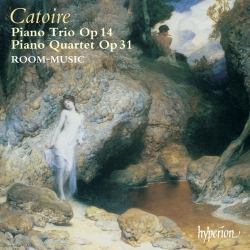
4
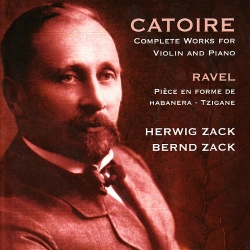
20:55
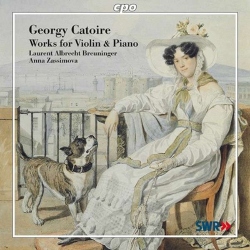
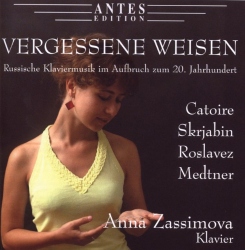
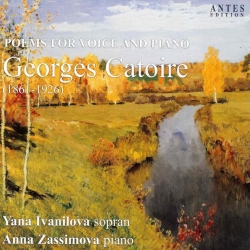
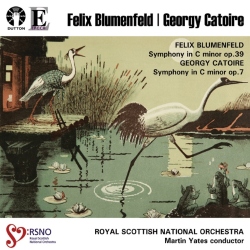
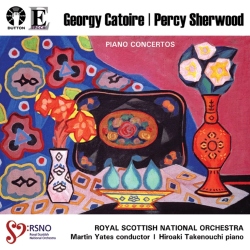
10
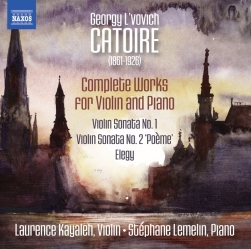
Sonata for violin & piano no. 1 in B flat minor, Op. 15
I. Allegro non tanto, ma appassionato
13:22
15
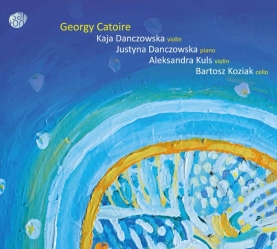
21:20
Copyright Ⓒ 2013 Davinci Finger. All rights reseved
Service Terms & Policy