Jean Roger-Ducasse
Etudes (4) for piano
Released Album
Recent Album

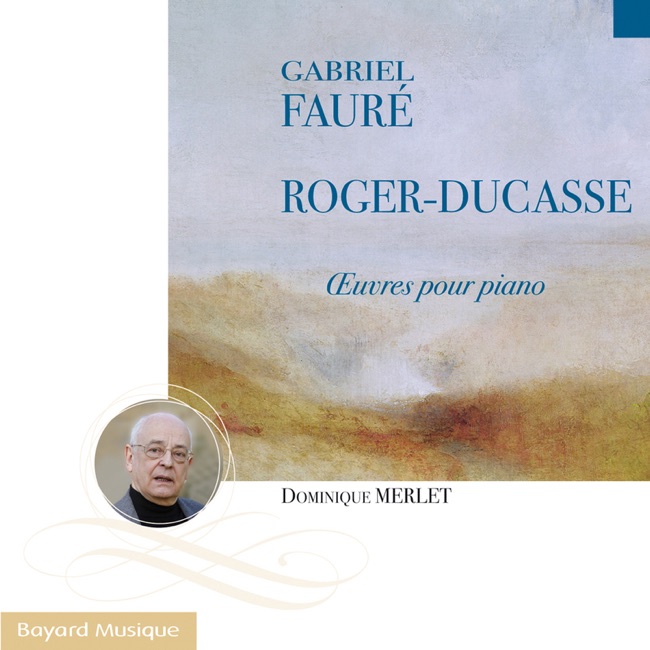
Works Info
Composer:Jean Roger-DucasseGenre:KeyboardCompose Date:1915Average_duration:14:37Movement_count:4Movement ....Jean Roger-Ducasse was a French composer who lived from 1873 to 1954. He was a student of Gabriel Fauré and was heavily influenced by the impressionist movement in music. One of his most famous works is the "Etudes (4) for piano," which was composed in 1917. The "Etudes (4) for piano" premiered in Paris in 1918 and was dedicated to the pianist Ricardo Viñes. The work is divided into four movements, each with its own unique characteristics. The first movement, "Allegro moderato," is a lively and energetic piece that showcases the technical abilities of the pianist. It is characterized by its use of syncopation and rapid arpeggios. The second movement, "Andante," is a slower and more contemplative piece. It features a lyrical melody that is accompanied by delicate arpeggios in the left hand. This movement is notable for its use of impressionistic harmonies and its evocative mood. The third movement, "Allegro," is a fast and playful piece that is full of energy. It features a lively melody that is accompanied by rapid arpeggios and staccato chords. This movement is characterized by its use of syncopation and its playful, almost whimsical, mood. The final movement, "Allegro con fuoco," is a fiery and intense piece that showcases the virtuosic abilities of the pianist. It features rapid runs and arpeggios that are accompanied by powerful chords in the left hand. This movement is characterized by its use of dramatic contrasts and its intense, almost frenzied, mood. Overall, the "Etudes (4) for piano" is a challenging and technically demanding work that showcases the composer's mastery of the piano. It is characterized by its use of impressionistic harmonies, syncopation, and rapid arpeggios, and its evocative and intense moods.More....