


Jean Roger-Ducasse
Released Album
Keyboard
-
 July 9, 2021
 -
 March 10, 2017
 -
 November 6, 2015
 -
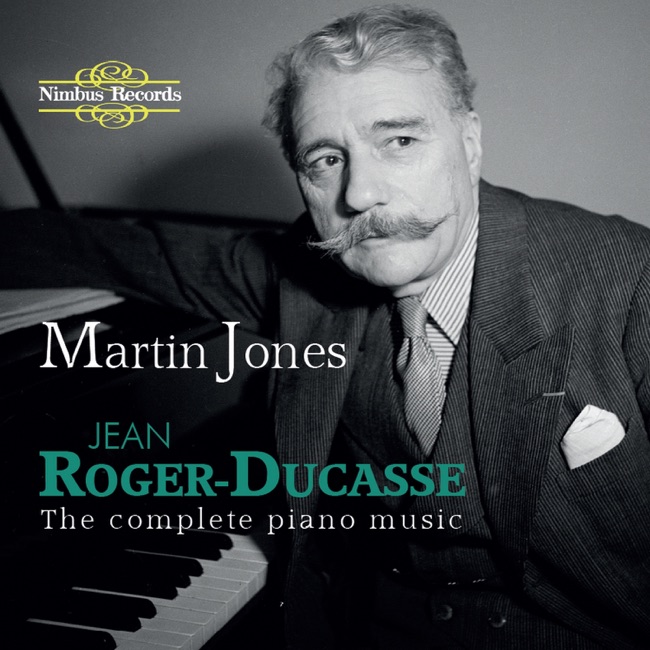 September 4, 2015
 -
 June 9, 2015
 -
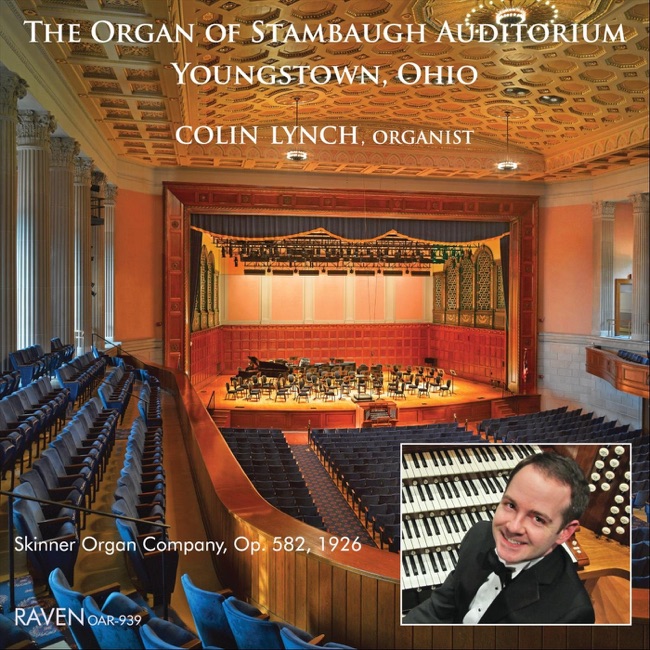 October 8, 2013
Choral
-
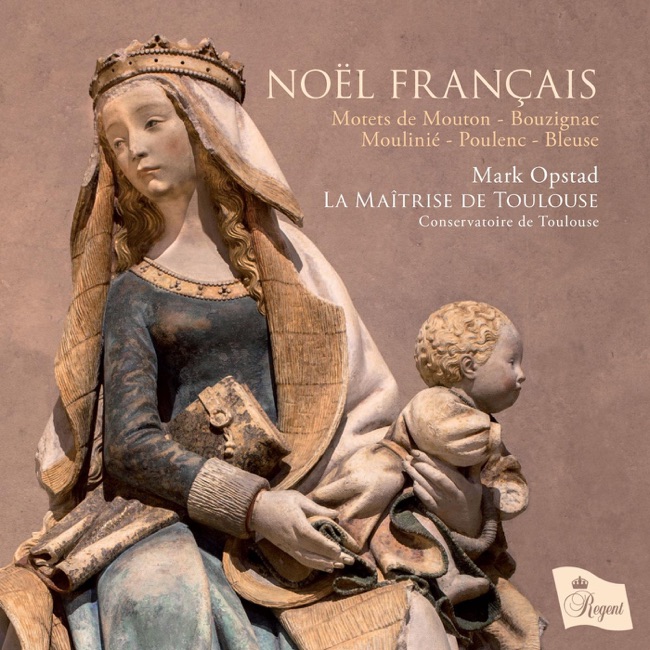
-
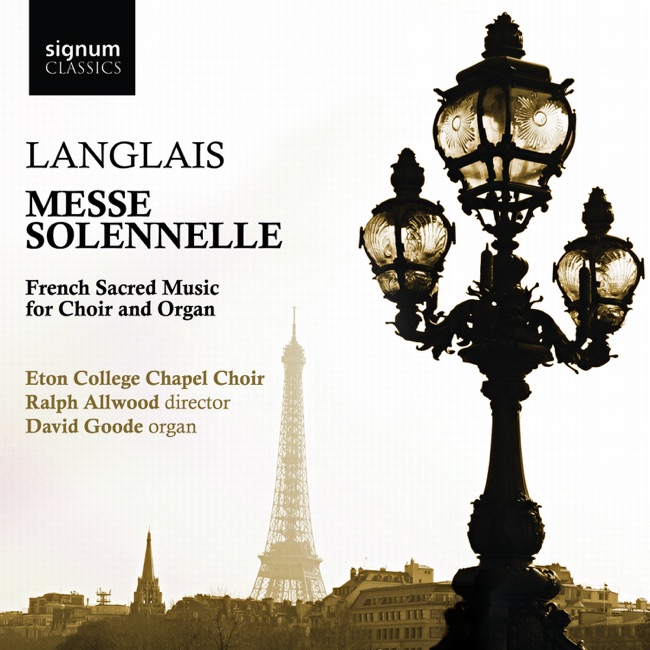 August 31, 2010
 -
 1998
1998
Miscellaneous
-
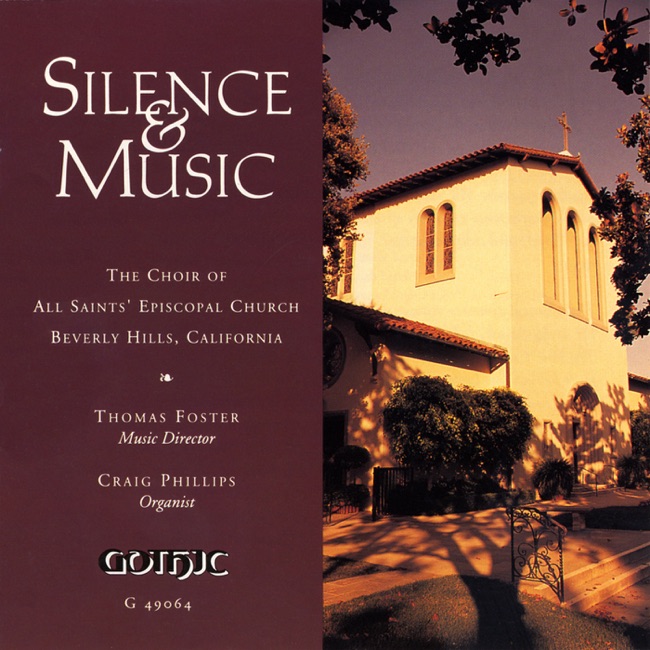 March 22, 1994
Orchestral
-
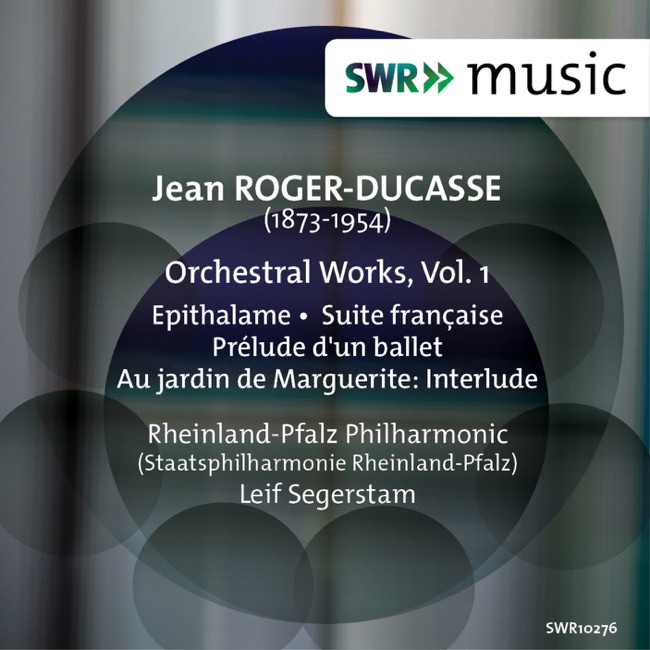 June 1, 2015
 -
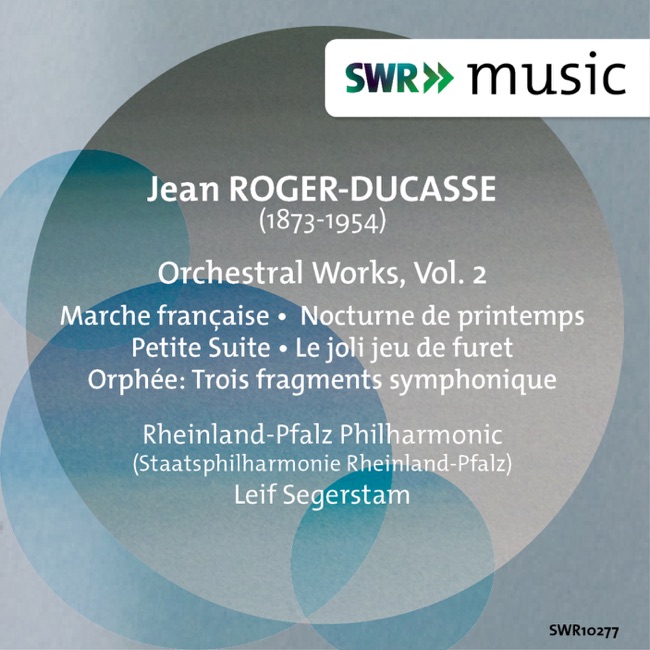 October 4, 1994
 -
 November 3, 1993
Artist Info
Role:ComposerCountry: FranceBirth:April 18, 1873Death:July 19, 1954Period:ModernGenre:ChoralKeyboardOrchestralJean Roger-Ducasse was a French composer and pianist who was born on April 18, 1873, in Bordeaux, France. He was the son of a wealthy family and received his early musical training from his mother, who was a pianist. At the age of 14, he entered the Paris Conservatoire, where he studied piano with Louis Diémer and composition with André Gedalge. Roger-Ducasse's early compositions were influenced by the French Impressionist movement, particularly the music of Claude Debussy. He was also influenced by the works of Maurice Ravel and Gabriel Fauré. In 1896, he won the Prix de Rome, a prestigious award for young composers, which allowed him to study in Rome for three years. During his time in Rome, Roger-Ducasse continued to develop his compositional style, incorporating elements of Italian music into his works. He also became interested in the music of Johann Sebastian Bach and began to study counterpoint in depth. After returning to Paris in 1899, Roger-Ducasse began to establish himself as a composer and pianist. He became a member of the Société Nationale de Musique, a group of French composers dedicated to promoting new music. He also began to teach at the Paris Conservatoire, where his students included the composer Olivier Messiaen. Roger-Ducasse's compositions from this period include a number of piano works, such as his Suite française and his Trois préludes, as well as chamber music and songs. His music was well-received by critics and audiences alike, and he was considered one of the leading French composers of his time. In 1914, Roger-Ducasse was called up for military service during World War I. He served as a stretcher-bearer and was wounded in action. After the war, he returned to his musical career, but his style had changed significantly. He had become interested in the music of the Baroque period, particularly the works of Bach and Handel, and began to incorporate elements of Baroque music into his compositions. Roger-Ducasse's later works include a number of orchestral pieces, such as his Poème for violin and orchestra and his Suite pastorale for orchestra. He also wrote a number of choral works, including his Messe basse for women's voices and organ. Despite his success as a composer, Roger-Ducasse remained relatively unknown outside of France. He was not interested in self-promotion and did not seek out opportunities to have his music performed abroad. However, his music continued to be performed in France, and he remained an influential figure in French music until his death in 1954. Today, Roger-Ducasse is remembered as one of the leading French composers of the early 20th century. His music is characterized by its elegance, refinement, and clarity, and his works continue to be performed and recorded by musicians around the world.More....
Recent Artist Music
2
10:52
5
10:55

Copyright Ⓒ 2013 Davinci Finger. All rights reseved
Service Terms & Policy